
 Powered by Google
Description
Adana Archaeology Museum is one of Turkey's ten oldest museums, showcasing the rich history and cultural heritage of Çukurova.
Story
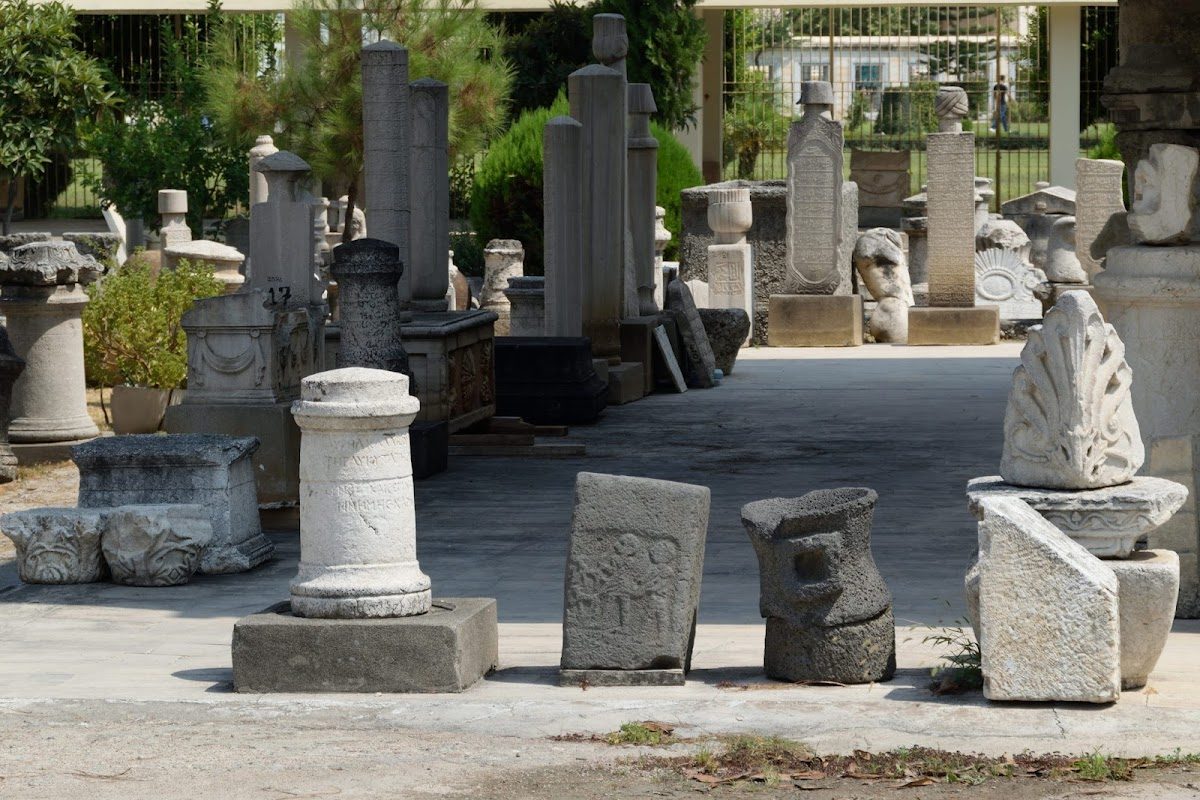
The Adana Archaeology Museum is an important cultural institution that sheds light on the thousands of years of history not only of Adana but of the entire Çukurova region. As one of Turkey's ten oldest museums, it was founded in 1924 and initially served in a church in Kuruköprü. With the increasing number of artifacts over time, it was moved to the first building of the current Adana Museum Complex in 1972. The museum houses archaeological finds from a wide period, ranging from the Paleolithic Age to the Ottoman Period. Artifacts from the Hittite, Roman, and Byzantine periods, in particular, hold an important place in the museum's collection. Among the most striking artifacts in the museum are Hittite storm god statues, Roman sarcophagi, mosaics, and coins. Additionally, Neolithic and Chalcolithic pottery, sculptures, and daily use items unearthed from excavations in the region also attract visitors' attention. The architecture of the Adana Archaeology Museum reflects a modern museum concept and provides suitable conditions for displaying the artifacts. Spacious exhibition halls offer visitors an easy and informative tour experience with chronological and thematic arrangements. The museum is not only a repository of artifacts but also an important education and research center that contributes to understanding and transmitting the region's cultural identity to future generations. Visitors, through the artifacts exhibited here, have the opportunity to better understand the cultural diversity and archaeological importance of the region while discovering the rich past of Çukurova, which has hosted different civilizations. The museum is an important destination that increases Adana's cultural tourism potential and attracts many local and foreign tourists.
Visit Tips
- It is recommended to allocate at least 2-3 hours for visiting the museum.
- Especially dedicate more time to the Hittite and Roman period artifacts, as they are the most important parts of the collection.
- If you have a museum card, you can use it at the entrance; otherwise, you need to buy a ticket from the ticket office.
- Photography is allowed inside the museum, but avoid using flash.
- You might consider visiting other museums (Ethnography, Mosaic, etc.) within the museum complex.