
 Powered by Google
Description
Augusta Ancient City, located in the Sarıçam district of Adana, is an important historical settlement that stands out with its Roman-era remains.
Story
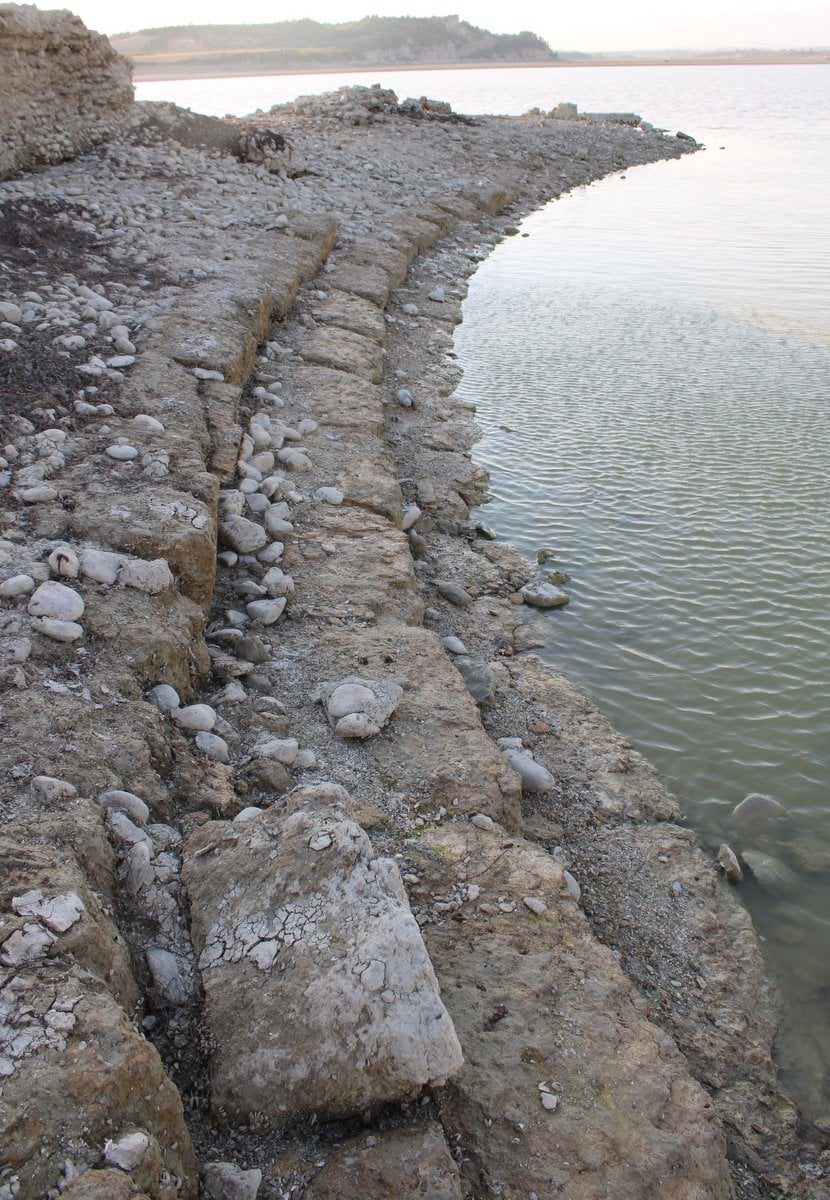
Augusta Ancient City is situated within the borders of Adana's Sarıçam district, on the west bank of the Ceyhan River, southeast of the Ancient City of Misis. According to historical sources, the city was founded by the Roman Emperor Augustus and takes its name from him. Augusta, thought to be an important settlement especially during the Roman period, held great commercial and military significance due to its strategic location on the Ceyhan River. River transportation and agricultural activities played a key role in the city's economy. Excavations and surface surveys indicate the presence of various architectural remains in the city, such as baths, theaters, temples, and residential structures. However, a large portion of these remains is currently underground or has been destroyed. Among the architectural elements belonging to the city, aqueducts and civil structures are particularly noteworthy. The city, bearing traces of Roman-era urban planning, offers clues about the lifestyle and architectural understanding of that period. For visitors, Augusta Ancient City, although not yet fully unearthed, is an important stop to understand the rich history and cultural heritage of the region. The ancient ruins, combined with the surrounding natural beauty, offer visitors both a historical journey and a peaceful exploration experience. It is clear that if the city is fully excavated and restored, it holds much greater potential for regional tourism. Augusta, as one of Adana's hidden treasures, awaits further illumination through future archaeological work.
Visit Tips
- Opt for comfortable shoes for your visit, as the terrain can be uneven.
- Use a hat and sunscreen to protect yourself from the sun's effects in the area.
- Carry enough water with you to prevent dehydration.
- Bring your camera to capture the ancient ruins and natural beauty.
- Stay on designated paths and avoid touching the remains to prevent damage to the excavation sites.