
 Powered by Google
Description
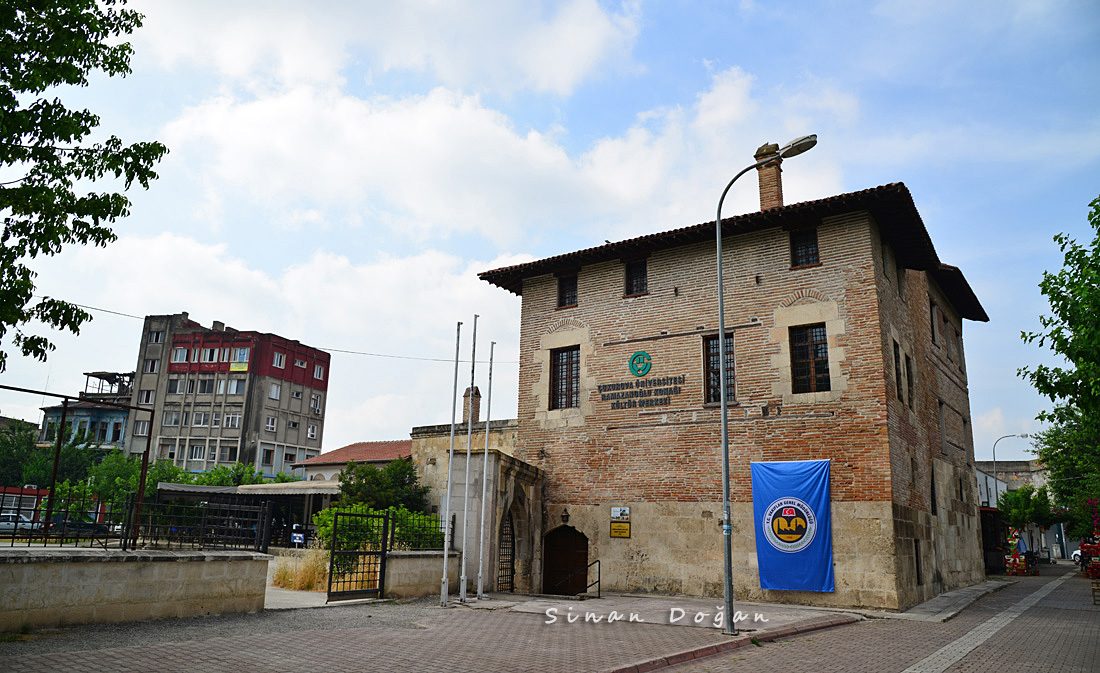
One of the historical residences of the Ramazanoğulları Principality located in the Seyhan district of Adana.
Story
Ramazanoğlu Mansion is a significant architectural structure from the Ramazanoğulları Principality period, bearing witness to Adana's history. Dating back to the late 15th or early 16th century, the mansion served as one of the principality's administrative centers in Adana. This structure maintained its importance during the Ottoman Empire period, playing a central role in Adana's social and cultural life. The mansion is a beautiful example of typical Ottoman civil architecture. Its spacious courtyard, rooms with wooden carvings, and separate harem and selamlık sections reflect the lifestyle of the era. Cut stone and wood materials were skillfully used in the construction of the building. The wooden ceiling carvings and door details are particularly noteworthy. Ramazanoğlu Mansion has served various functions over time, with some sections being demolished or restored. Today, it is largely open to visitors in its restored state and constitutes an important stop for understanding Adana's rich history and culture. The fountain and well in the mansion's courtyard offer a refreshing atmosphere on hot Adana days. Visitors can explore the different rooms of the mansion, imagine the life of the period, and closely examine the cultural heritage that the Ramazanoğulları added to Adana. The mansion, along with the Adana Museum, is an important part of Adana's historical fabric and sheds light on the city's past. Some stone artifacts located in the mansion's garden also attract the attention of visitors. It is one of the cultural heritages that visitors to Adana must see.
Visit Tips
- Visit other historical structures around the mansion.
- Don't forget to bring a hat and water in hot weather.
- Choose morning or afternoon hours to capture the best light for photography.
- Spend some time in the mansion's courtyard to soak in the atmosphere.
- Visit with the Adana Museum to better understand the region's history.