
 Powered by Google
Description
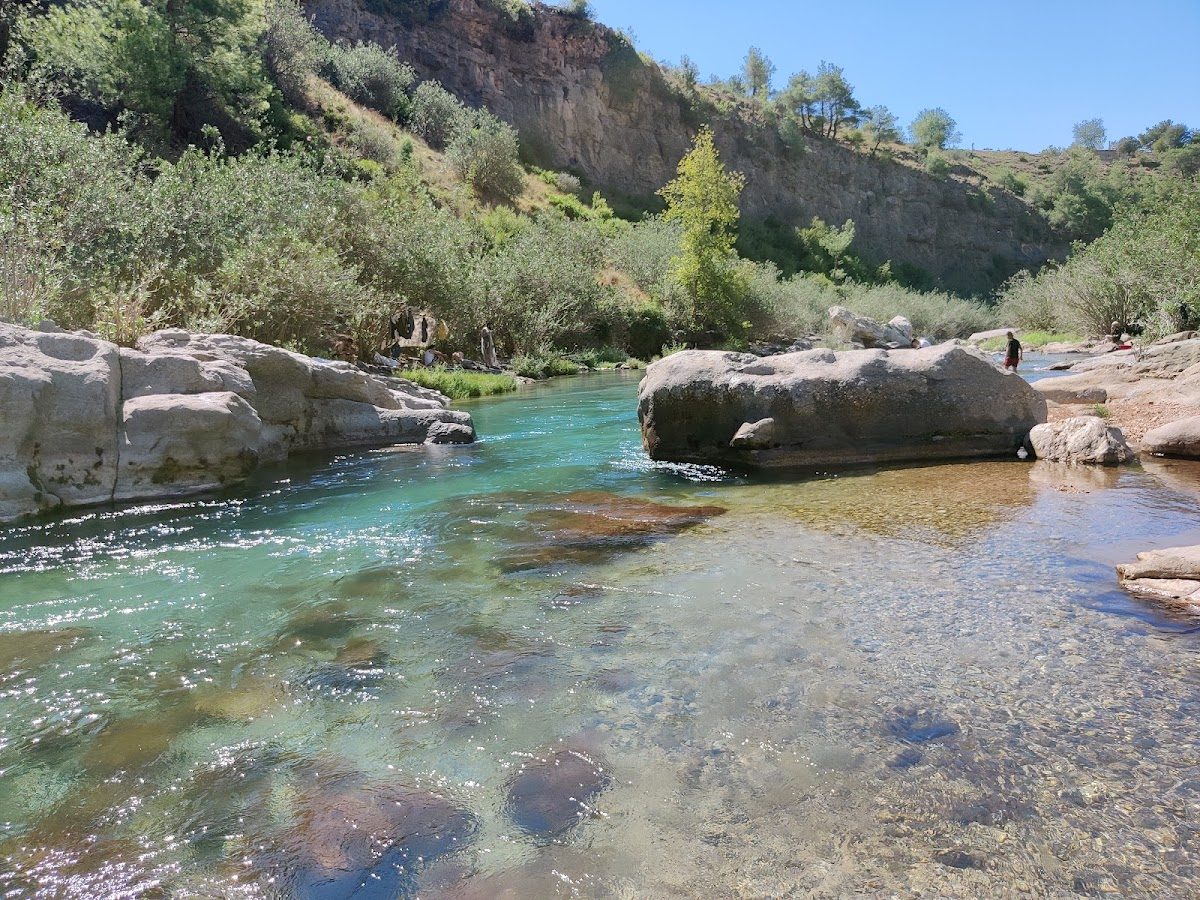
Ancient stone channels and water arrangements used for irrigating agricultural lands since the Roman period on the Körkün Stream.
Story
The Valley of Körkün has played a critical role in irrigating agricultural lands in the region throughout history. Managing water in this area, where citrus and grain production began, was seen as a fundamental condition for increasing productivity. The construction of water channels that started in the Roman period continued with the opening of small stone channels along the valley and the redirection of the natural stream bed. During the Byzantine and Ottoman periods, these channels were repaired and new water routes were added. The difference between the points where water flows naturally and the sections carved by human hands clearly shows how the valley has been shaped throughout history. The valley's natural walking trails, the scents of pine, and the sounds of birds combine with the historical texture, making it both a cultural and natural heritage site.
Visit Tips
- The best time for walking in the valley is spring and autumn.
- The riverbank is cool in the summer; still, it is necessary to keep water.
- Watch out for slippery spots.
- It is important not to harm agricultural areas and water barriers.