
 Powered by Google
Description
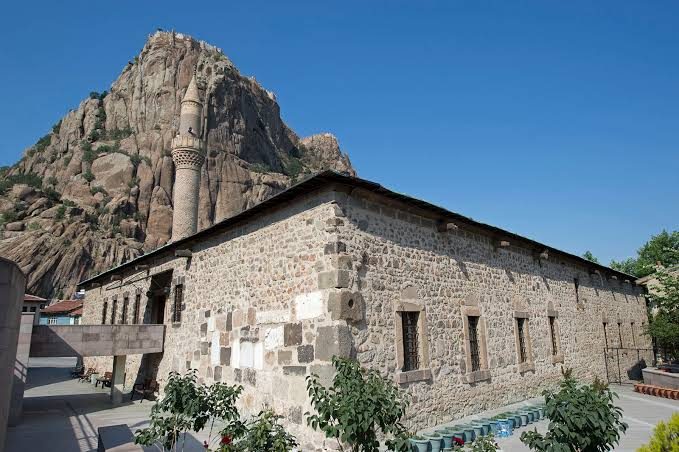
One of the most beautiful examples of the unique wooden column (Nail-less) and flat-roofed mosque architecture of the Seljuk period.
Story
Afyonkarahisar Ulu Camii is one of the most valuable examples of the 'multi-pillar, flat-roofed' mosque type of Anatolian Seljuk architecture that has survived to this day. The mosque was commissioned in 1272 during the reign of Seljuk Sultan I. Alaeddin Keykubad by Nusreddin Hasan, the brother of Sahip Ata Fahreddin Ali. The most striking feature of the mosque is its forest of 40 wooden columns in the interior. Although these columns are not entirely nail-free, as some sources claim, the fact that they are largely connected using interlocking and overlapping techniques showcases the extraordinary woodworking skills of the artisans of that era. This architectural style is one of the most important representatives of the group known as 'Turkish Pillared Mosques.' While the exterior of the mosque is plain and imposing, the interior has a dim and mystical atmosphere. The craftsmanship on the wooden ceiling and the decorations on the columns are remarkable. The pulpit is considered one of the pinnacle works of Seljuk wood carving and is adorned with geometric motifs. The base of the minaret features beautiful examples of Seljuk stone craftsmanship. Having undergone several restorations over the centuries, the mosque has largely preserved its original Seljuk identity. Ulu Camii is not only a place of worship but also an important historical lesson that demonstrates the deep-rooted architectural and cultural heritage of the Seljuks in Anatolia. Located in the heart of Afyonkarahisar's historic bazaar, this structure continues to play a central role in the city's cultural and religious life.
Visit Tips
- The mosque can be visited at any hour of the day since it is open for worship; it is quieter outside of prayer times.
- Make sure to examine the wooden columns and the pulpit in the interior.
- Visitors (especially women) are expected to enter in appropriate attire.
- You can explore the historic bazaar (Bedesten) around the mosque and taste local products.