
 Powered by Google
Description
A vast historical area that houses the rock-carved monumental tombs, temples, and settlement traces of the Phrygian Kingdom.
Story
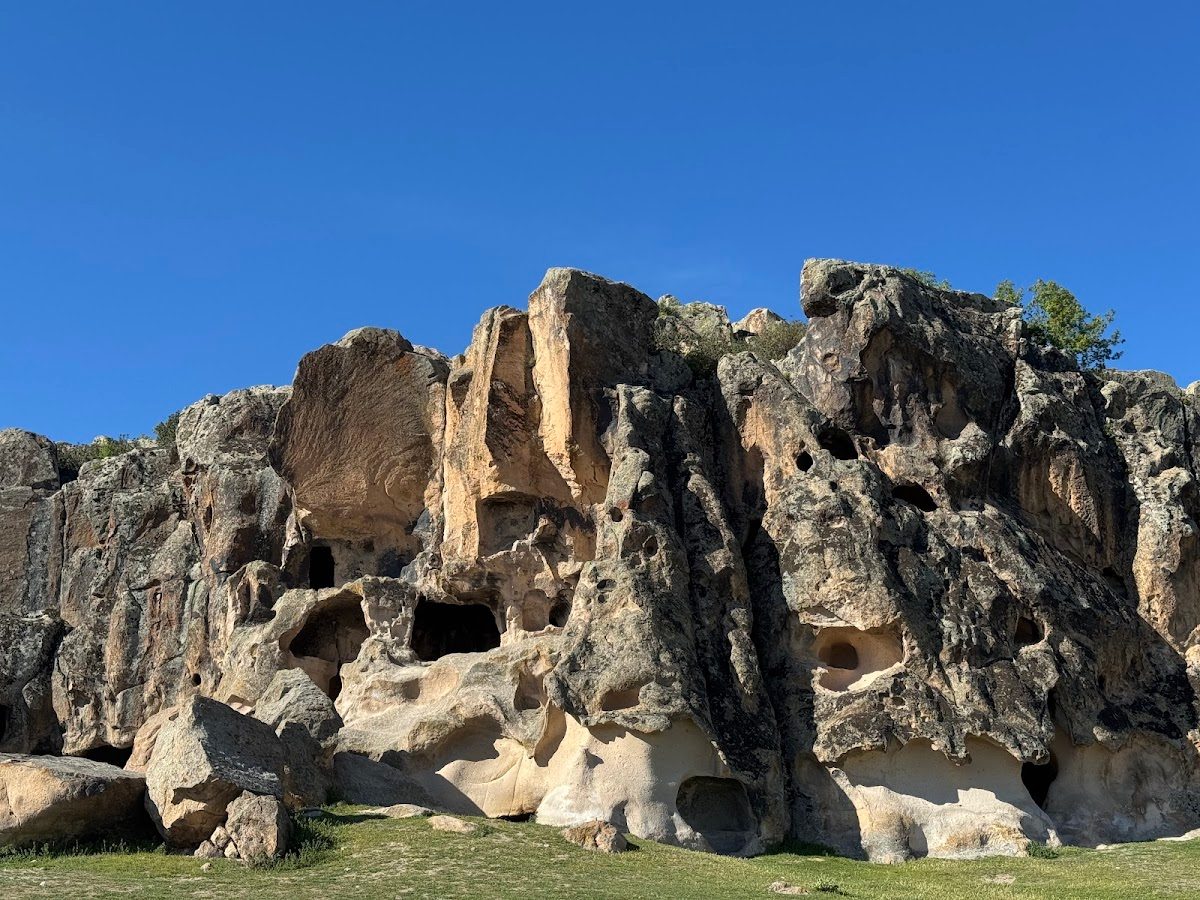
The Phrygian Valley is a vast geography located at the intersection of the provinces of Afyonkarahisar, Kütahya, and Eskişehir, bearing the most striking traces of the civilization known as Phrygia throughout history. This region was particularly used as the sacred and monumental center of the Phrygian Kingdom, which thrived in the 8th and 7th centuries BC. The soft volcanic tuff rocks of the area provided an excellent medium for carving and shelter for the Phrygians and later civilizations. Among the most remarkable structures in the valley are the massive rock monuments dedicated to the Phrygian goddess Kybele and the monumental tomb facades. The large monuments mark the sacred sites where rituals were performed in worship of Kybele, while the rock tombs served as eternal resting places for Phrygian nobles and rulers. The Phrygian Valley was also utilized during the Roman and Byzantine periods. During the Byzantine era, Christian monks repurposed the rock cavities carved by the Phrygians into churches, monasteries, and places of refuge. The rock settlements are filled with frescoes featuring religious motifs and remnants of basilicas. The natural structure of the region also draws attention with formations reminiscent of the 'Fairy Chimneys,' and these rock formations, combined with human craftsmanship, create a unique landscape. While one of the most famous points in the valley is the 'Yazılıkaya Midas Monument,' the Seydiler and İhsaniye regions within the borders of Afyonkarahisar (for example, around Aroglar Village) are also quite rich in Phrygian monuments and settlement remains. The Phrygian Valley is considered one of Turkey's largest open-air museums, carrying traces of an uninterrupted cultural and natural life cycle from prehistoric times to the present day.
Visit Tips
- The valley is very large; determine the places to visit in advance and use navigation.
- It is ideal for walking and cycling tours; wear comfortable shoes and bring plenty of water.
- Some of the Phrygian monuments are under site protection, please avoid climbing.
- In the vicinity of Seydiler and İhsaniye, you can find local handicrafts and flavors along the Phrygian roads.