
 Powered by Google
Description
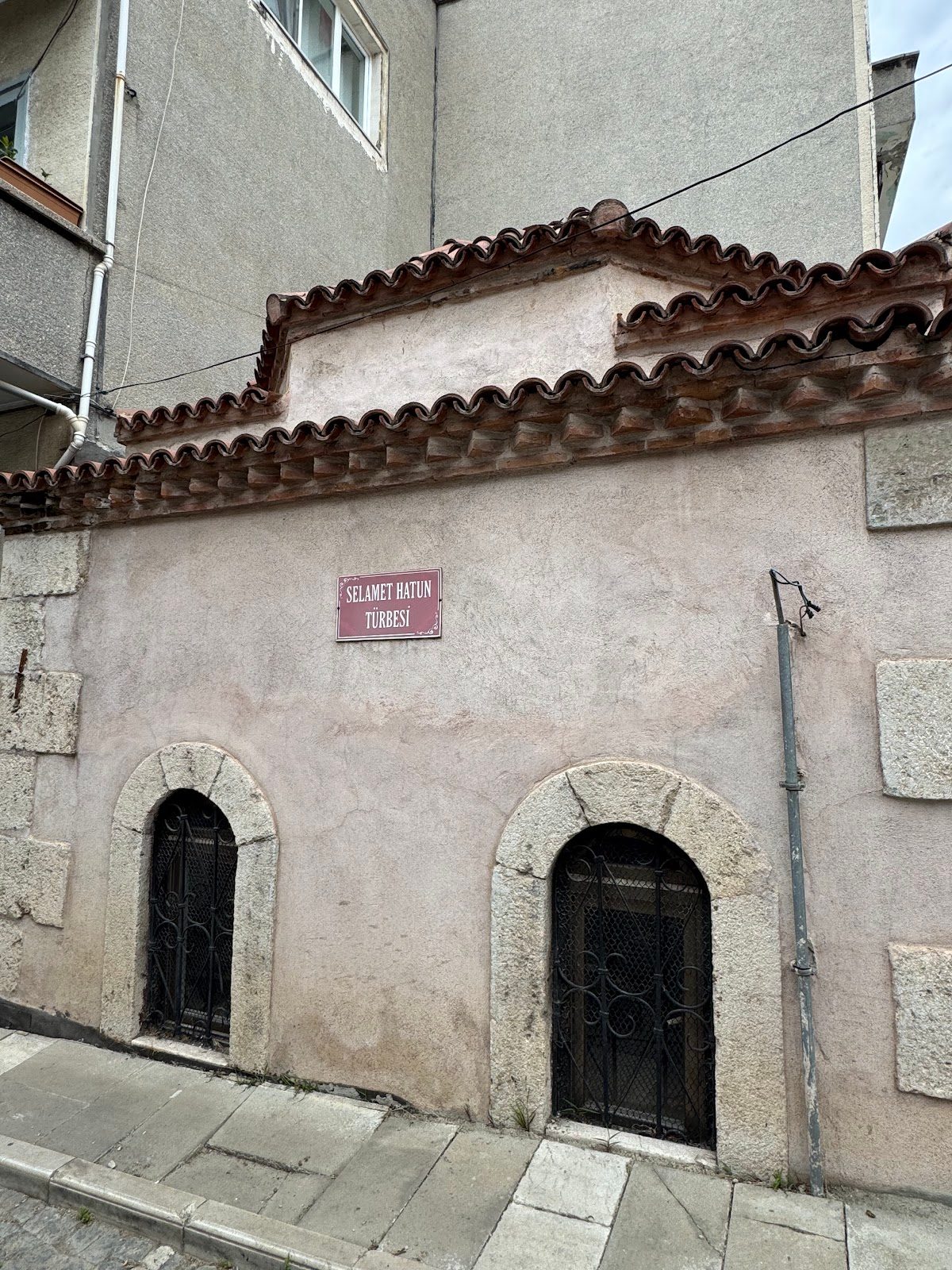
The Selamet Hatun Tomb in Amasya is one of the significant examples of Seljuk architecture and a valuable structure reflecting the place of women in the social life of its era.
Story
The Selamet Hatun Tomb, holding an important place within the historical fabric of Amasya, is a valuable work built during the Anatolian Seljuk Sultanate period. Although there is no definitive information about the exact date and builder of the tomb, it is believed to date back to the 13th century, considering its architectural features and the general structure of the period. There are also different views regarding the identity of Selamet Hatun; some sources state that she was the wife or daughter of a high-ranking state official, while others suggest she was one of the prominent women of her time. Such structures are of great importance in demonstrating the active roles of women in social and religious life in Anatolia. These women, who generally supported charitable works and endowments, contributed to society by commissioning structures such as mosques, madrasahs, hammams, and tombs in their own names. The architecture of the Selamet Hatun Tomb exhibits a beautiful example of the Seljuk period tomb tradition. Built with cut stone masonry, the structure typically rises with an octagonal or cylindrical body on a square base and is covered with a conical or pyramidal roof. Its interior is generally simple but...
Visit Tips
- Show respect and be quiet when visiting the tomb.
- As it is located in the center of Amasya, you can add it to your walking route to visit other historical structures.
- Take time to see other Seljuk artifacts in the region.
- Be careful not to use flash when taking photos and avoid touching the artifacts inside.
- You can combine your visit with other important sites such as Amasya Castle, King Rock Tombs, and the Museum of Princes.