
 Powered by Google
Description
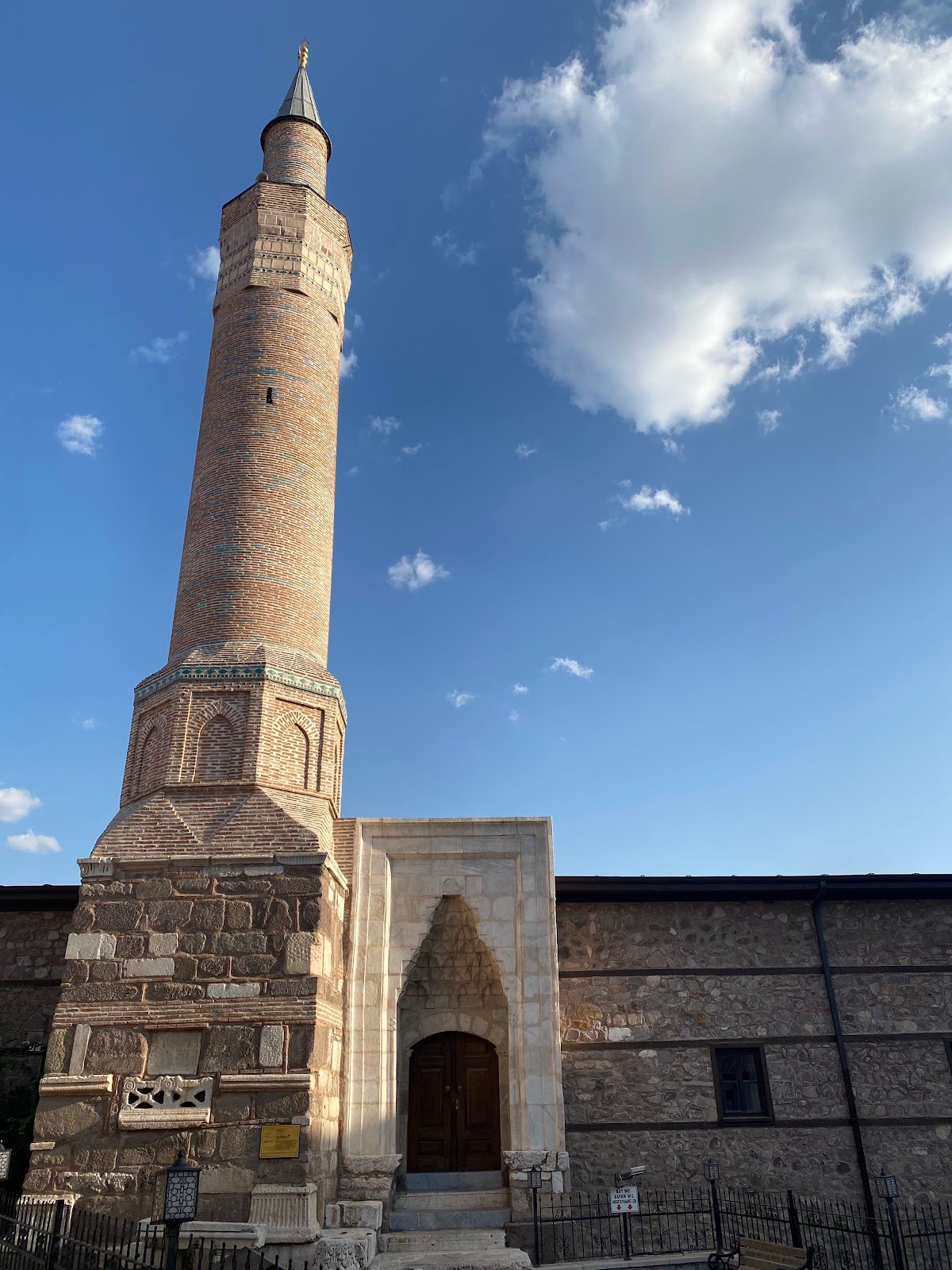
At the foot of Ankara Castle, the Aslanhane (Ahi Şerafeddin) Mosque stands out with its simple interior and historic atmosphere as one of the most authentic examples of timber-column Seljuk architecture.
Story
The Aslanhane (Ahi Şerafeddin) Mosque is a modest yet highly impressive structure located in Ankara’s Altındağ district, just below Ankara Castle. Built in the late 13th century during the Anatolian Seljuk period, it is considered one of the most important examples of the timber‑columned mosque tradition in Anatolia. Its name is known to derive from an ancient Roman lion statue in its courtyard and from Ahi Şerafeddin, who played a role in its construction; these two references have shaped the different names used by locals. The exterior façade of the mosque offers a simple appearance with the natural texture of Ankara stone. When you step inside, you are greeted by thick wooden columns that give the impression of reaching up to the sky. Some of these columns are thought to have been spolia from older buildings; the different decorations and dimensions of their capitals support this view. The wooden ceiling beams and interlaced geometric ornaments reflect the fine carpentry and decorative sensibility of Seljuk craftsmen. The mihrab is covered with elegant examples of Seljuk tile art. Dominated by blue and turquoise tones, the tiled surface forms a calm focal point within the dim interior. Light filtering in through the windows creates moving shadows on these tiles at different times of day, adding to the spiritual atmosphere of the space. At the same time, the relatively small size of the mosque creates an intimate worship area that reinforces a sense of community. Aslanhane Mosque is not only a place of worship but also a silent witness to Ankara’s multilayered history. Considered together with the nearby castle walls, historic Ankara houses and narrow streets, it offers strong clues about how the city might have looked in the Middle Ages. The Ahis who contributed to the construction of the mosque were known as guilds of craftsmen and tradesmen, which lends the building a social dimension as well as a religious one. Today, visitors to the mosque can sit quietly inside, breathe in the scent of wood and sense the traces of the centuries. Especially during quiet weekday hours, you hear only a soft murmur and birdsong from outside. For photography enthusiasts, the rhythmic alignment of the wooden columns and the patterns of light on the floor present great opportunities for compelling shots. Walking around the mosque’s immediate surroundings to observe both the historic fabric and the flow of daily life is an excellent way to experience Ankara not only through its modern buildings but also through its deep‑rooted past.
Visit Tips
- When you visit Aslanhane Mosque, it's best to go early; this way, you can enjoy the beauty of this historic structure without the crowds.
- By exploring the historic Ankara Castle surrounding the Mosque, you can gain a better understanding of the cultural richness of the area.
- During your visit, don't forget to closely examine the wooden craftsmanship and details inside the mosque; this showcases how unique Seljuk architecture is.
- For those who love photography, the exterior of the mosque and its surroundings offer wonderful shots in natural light; therefore, it would be a good idea to have a camera or smartphone on hand.