
 Powered by Google
Description
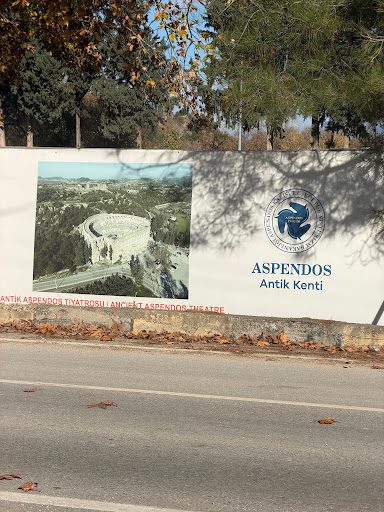
Located in the Serik district of Antalya, Aspendos Ancient Theater is one of the best-preserved ancient theaters from the Roman period.
Story
Aspendos Ancient Theater was built in the 2nd century AD during the reign of Roman Emperor Marcus Aurelius. The architect of the theater was Zenon, son of Theodorus of Aspendos. The theater is located near Belkıs Village, on the banks of the Köprüçay (Eurymedon) River. This magnificent structure, with a capacity of approximately 15,000 people, is particularly notable for the extraordinary preservation of its stage building and seating rows (cavea). The stage building is two-storied and adorned with rich sculptures and architectural decorations. The acoustics of the theater are so perfect that it is rumored that even a whispered word from the stage can be heard in the highest rows. Aspendos was an important trade and cultural center in ancient times. The theater was used not only for plays and performances but also for public meetings and religious ceremonies. During the Seljuk period, in the 13th century, the stage building of the theater was repaired and used as a caravanserai. This played an important role in the structure's good preservation to this day. Today, Aspendos Ancient Theater hosts international opera and ballet festivals, welcoming art lovers in its thousands-year-old historical atmosphere. The local stone used in the construction of the structure...
Visit Tips
- The best times to visit the theater are early morning or late afternoon to avoid crowds and the heat.
- It is recommended to bring sunscreen, a hat, and plenty of water, especially in summer when the weather can be quite hot.
- Wear comfortable walking shoes, as you will need to walk a bit to explore the theater and the surrounding ancient ruins.
- Try going on stage and speaking to test the theater's acoustics; you'll be amazed at how the sound carries.
- Don't forget to visit other parts of the ancient city (aqueducts, agora, etc.), which are located very close to the theater.