
 Powered by Google
Description
Bandırma Archaeological Museum is an important cultural stop that presents the rich ancient heritage of the Marmara Region in a modern museum setting.
Story
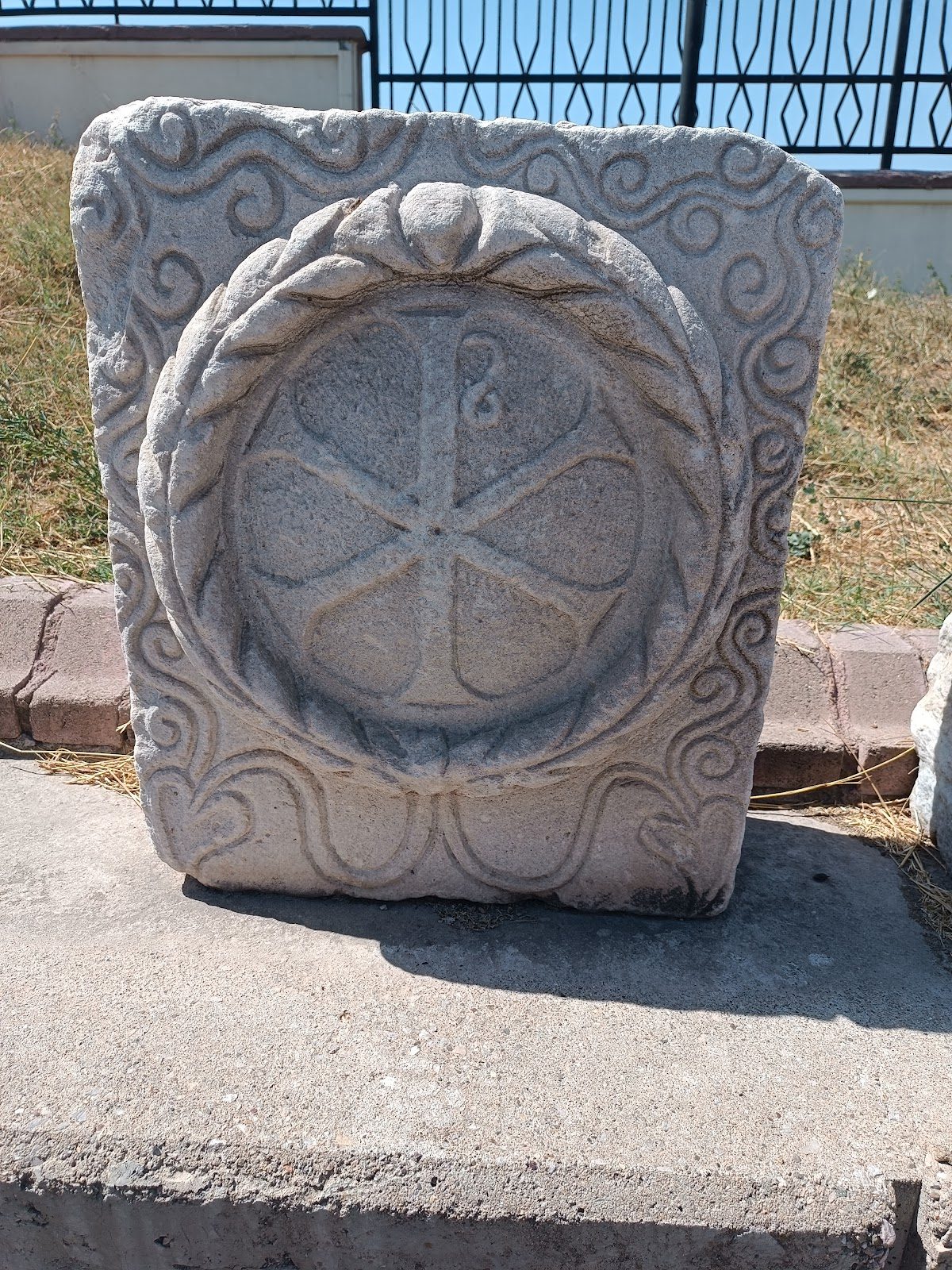
Bandırma Archaeological Museum stands like an open classroom on a quiet slope overlooking the Sea of Marmara, especially for those who are curious about history. When you step through the doors, you slowly begin to encounter the millennia-spanning past of Balıkesir and its surroundings. In the entrance hall, maps of excavations in the region and short information panels welcome you, and you start your visit with a small historical guide in mind, knowing roughly what to expect in each display case. The museum’s collection is largely based on artifacts from excavations at Daskyleion (Ergili), Kyzikos, and the area around Lake Manyas. Reliefs from ancient Daskyleion bear traces of the period when Persian satraps ruled; the figures carved into stone blocks remind you that these lands once lay on the frontier of empires. A few cases away, marble statue fragments and column capitals originating from Kyzikos stand as silent witnesses that this region was once one of the important trading ports of the Aegean world. Ceramic finds form one of the richest sections of the museum. Everyday vessels in shades of grey, red, and cream—storage jars, amphorae, jugs, and small oil containers—offer simple yet striking clues about daily life in antiquity. The figurative decorations and geometric patterns on some of the vessels reflect both aesthetic concerns and the changing tastes of different eras. In the neighboring display, bronze coins bearing the images of kings, emperors, and deities help you visualize the trade routes and political ties that once passed through the region. One of the museum’s most notable features is its modern approach to exhibition design. The lighting is soft and balanced, highlighting the artifacts without overwhelming them; labels usually offer concise explanations in Turkish as well as information in English. Thanks to a circulation plan that does not force the visitor, you can either tour the museum quickly in half an hour or spend hours in front of each case, reading every detail. For those who wish to rest, there are small seating areas with windows overlooking Bandırma’s quiet neighborhoods and the glittering sea in the distance. Bandırma Archaeological Museum does not merely present an ancient-focused collection; it also conveys the cultural continuity of the region through the Roman, Byzantine, and Ottoman periods. Funerary stelae, inscriptions, and everyday objects selected from various eras illustrate the changing beliefs and regimes in the same geography, alongside ways of life that remain surprisingly consistent. Thus, visitors leave the museum not only having seen beautiful artifacts but also with a clearer sense of Bandırma and its surroundings in the broader flow of history. Before leaving, it is worth taking time to stroll through the open-air exhibition area in the garden. The sarcophagi, column drums, and large stone blocks set under the open sky create a different atmosphere. Especially toward sunset, when long shadows fall across the marble surfaces, the silent bridge between past and present becomes even more visible. In this way, Bandırma Archaeological Museum is a cultural stop that can be visited in a short time, yet lingers in the memory for much longer.
Visit Tips
- Check the opening hours before going to the museum; it is usually open from 09:00 in the morning to 17:00 in the evening.
- In addition to the entrance fee, don't forget to consider discounted ticket options for students and teachers.
- You might consider joining guided tours to get more information about the works found in the museum.
- After your visit, you can end your day pleasantly by taking a walk along the beautiful beach of Bandırma.