
 Powered by Google
Description
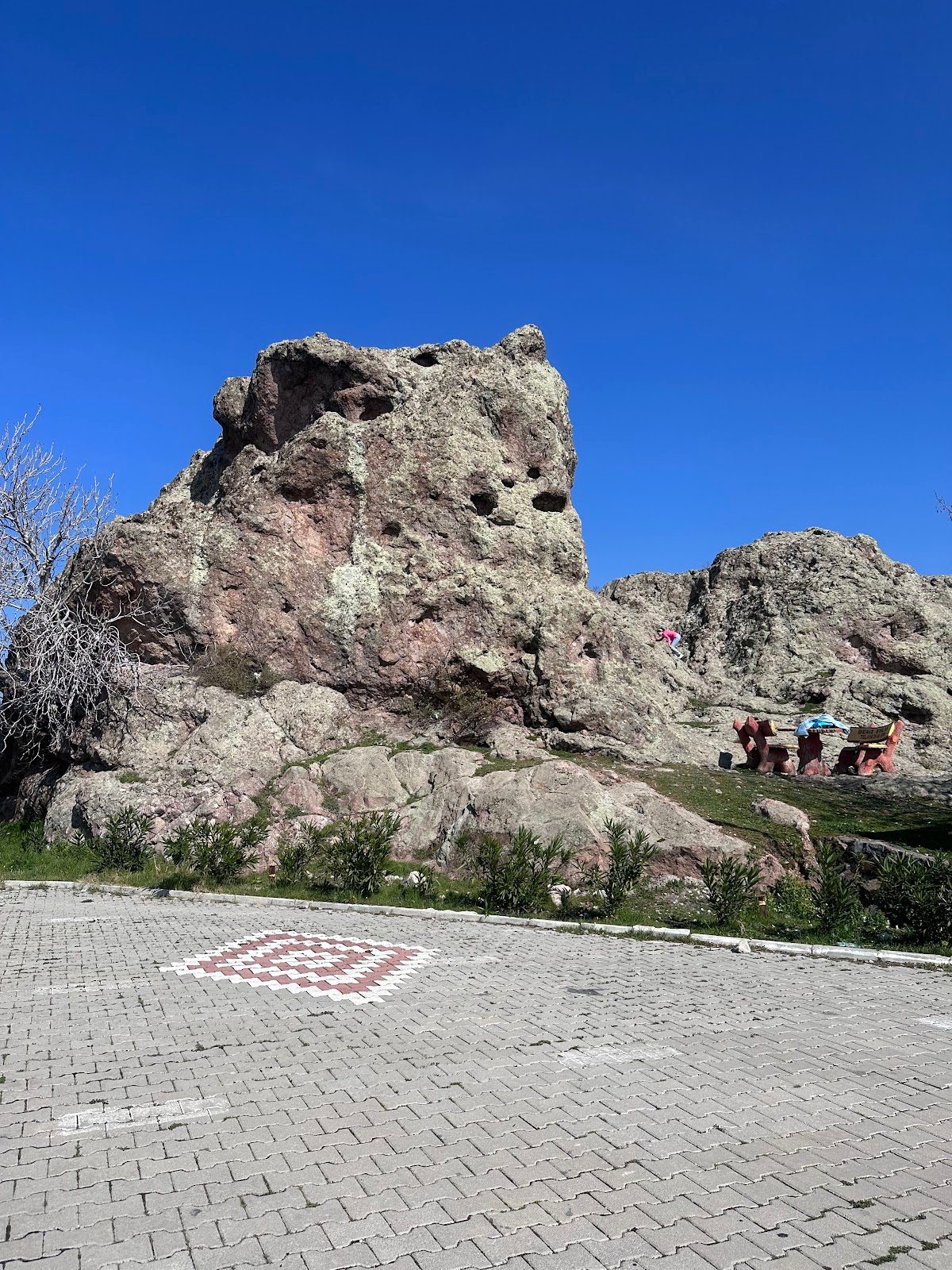
The Burhaniye Rock Altars are rock-carved sacred remains that reflect the religious and ritual life of the region in Antiquity.
Story
The Burhaniye Rock Altars are a small yet impressive sacred site from Antiquity, hidden among olive groves on one of the hills overlooking the Gulf of Edremit. Rock‑cut steps, niches, offering pits and platforms make you feel that libations to the sky, to fertility and perhaps to the sea were once dedicated here. Today the surroundings are quiet; only the sound of the wind, distant tractors and the rustling of olive trees form the soundtrack of this ancient place. Finds from the area and the local topography suggest that the rock altars were probably used during the Hellenistic and Roman periods as a shared sanctuary for nearby settlements. The round and rectangular pits carved into the rock look as if they were prepared for wine or oil libations; some stepped platforms evoke areas where small statuettes, votive objects or sacrificial animals were displayed. Every hollow and every step carries the fears, hopes and prayers of those who gathered here across time into the present. When you visit the Burhaniye Rock Altars, your first impression is usually simplicity. There are no grand temple columns, monumental gateways or lavish reliefs. Yet the real power of the place lies in its modest relationship with the surrounding landscape. To the north rises the silhouette of Mount Ida (Kazdağı), to the south the blue of the Gulf of Edremit, and in between the seemingly endless olive groves create a natural sacred stage around the altars. It is not hard to imagine ancient pilgrims; perhaps they climbed these steps at dawn and addressed the gods with the first rays of the sun. From an archaeological perspective, the rock altars summarize the multi‑layered cultural history of the region. In the same geography, local Anatolian beliefs were followed by Hellenistic deities and later by the Roman pantheon. Instead of great temples in major cities, rural sanctuaries like this show how religion was intertwined with daily life. Farmers may have poured a drop of olive oil into a pit before going to their fields, and fishermen may have made a vow before setting out to sea, making the use of such places ordinary yet deeply intimate. In terms of the visitor experience, the Burhaniye Rock Altars are not on the route of crowded tour buses; they are better known to curious travelers and local history enthusiasts. This gives you time and space to observe quietly, take photographs and explore at your own pace. When you spend time examining the rock surfaces, you notice that scratches which first seemed random are actually deliberate carvings, small offering niches or traces of steps. At sunset, as the sun sinks lower, the stones take on a reddish hue; the shadows deepen and the shapes of the altars stand out more clearly. Today the site does not function as a formal museum, but it is a valuable stop for anyone wishing to follow the traces of Antiquity around Burhaniye. Together with other remains, mounds and coastal settlements in the district, the Burhaniye Rock Altars show that the gulf is more than just touristic beaches; it has been a stage for a human story spanning thousands of years. Spending a few hours here may lead you to rethink the face of the Aegean you thought you knew.
Visit Tips
- If you schedule your visit to coincide with sunrise or sunset, you can enjoy the historical atmosphere accompanied by magnificent views.
- While walking around the rock altars, don't forget to wear comfortable shoes; as the ground in the area has rocky and uneven regions.
- By obtaining information from local guides, you can better understand the history of the altars and ancient belief systems; this will make your visit more meaningful.
- Don't forget to bring water and snacks with you, as it's important to keep your energy up while exploring this historical site.