
 Powered by Google
Description
Ahlat Museum is an important cultural institution that reflects the rich history of Ahlat, primarily exhibiting stone artifacts, tombstones, and archaeological finds from the Seljuk period.
Story
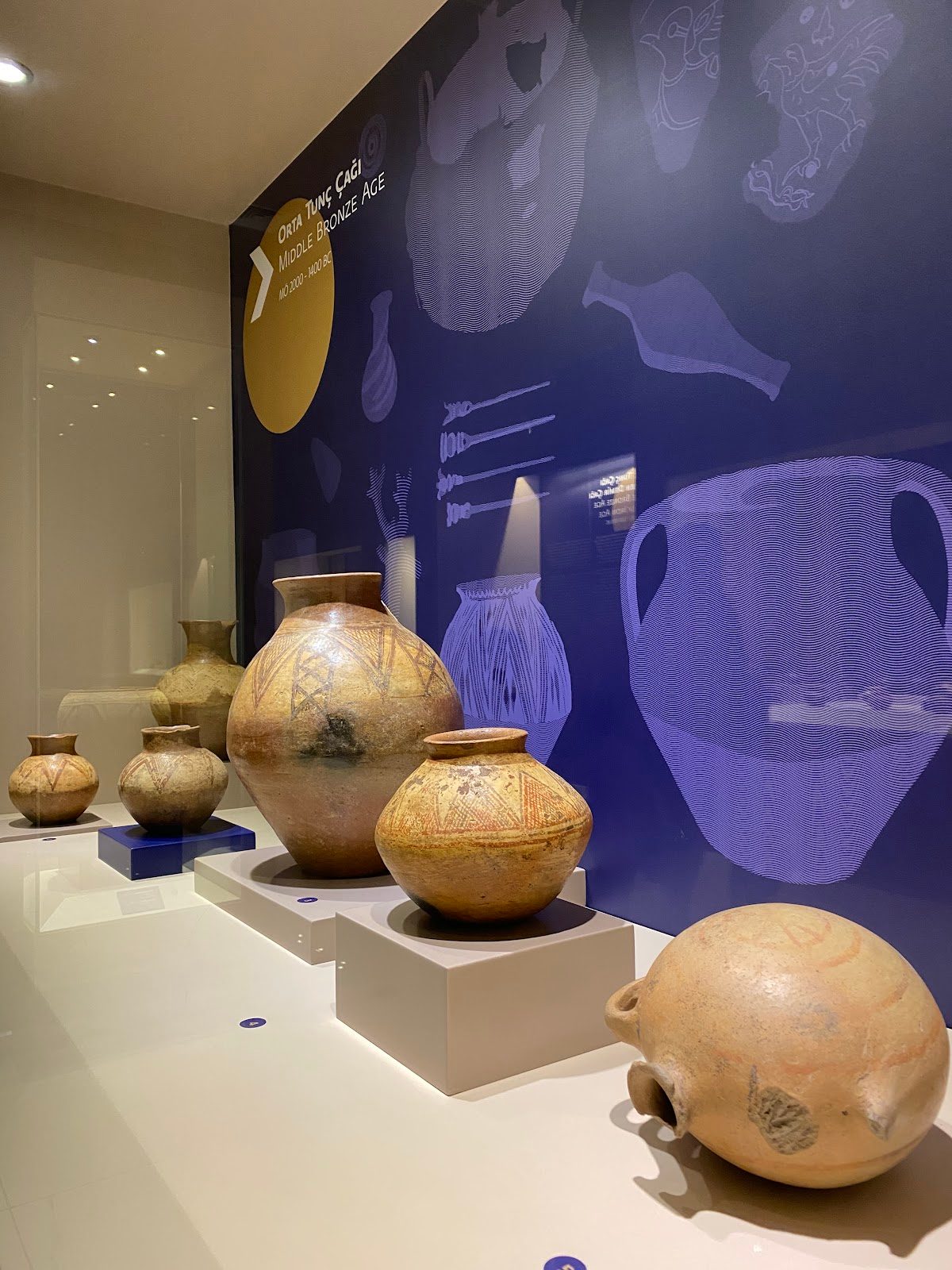
Ahlat, as one of the ancient cities of Eastern Anatolia, has hosted many civilizations throughout history, becoming an important cultural and art center, especially during the Seljuk period. One of the most valuable custodians of this rich heritage is the Ahlat Museum. The museum offers visitors a time tunnel experience by housing priceless archaeological and ethnographic artifacts that have survived from Ahlat's deep-rooted past to the present day. Although the museum building has a modern structure, it whispers the thousands-year-old story of the region with the artifacts it exhibits. One of the most striking sections of the museum is the Seljuk period tombstones and sarcophagi, which have become a symbol of Ahlat. These monumental works, brought from the Ahlat Seljuk Cemetery, known as the largest Turkish-Islamic cemetery in the world, represent the peak of stone craftsmanship, calligraphy, and architectural understanding of the period. Each of these tombstones, a work of art, reflects both the identity of the deceased and the religious and cultural values of the period with their Kufic and Thuluth inscriptions. Among the motifs are geometric shapes, floral decorations, and sometimes animal figures, which demonstrate the diversity and subtlety of Seljuk art. Visitors, standing before these enormous and intricately carved stone artifacts, witness the aesthetic understanding and world of belief from hundreds of years ago. The museum not only displays tombstones but also ceramics, metal objects, coins, and various daily use items unearthed during excavations in Ahlat and its surroundings. These artifacts provide valuable information about the lifestyles, trade relations, and artistic productions of different civilizations that lived in the region. Thanks to the chronological arrangement of the exhibition, visitors can easily follow the cultural change and continuity over a wide period stretching from the Urartians to the Ottomans. The ethnography section of the museum contains examples of traditional handicrafts, clothes, and household items that shed light on Ahlat's recent past. This section is important for understanding how the region's cultural identity was shaped and how it reached the present day. Ahlat Museum, beyond being just a place where artifacts are displayed, plays a key role in preserving the region's cultural identity and transmitting it to future generations. Visitors, wandering through the silent corridors of the museum, better understand why Ahlat's strategic location and historical importance are so great. The museum is an indispensable stop for every history-loving traveler to explore Ahlat's unique heritage and offers a profound opportunity to understand the spirit and past of the region. This is a place where stones speak, time stands still, and the past is vividly felt.
Visit Tips
- When visiting the museum, be sure to see the Ahlat Seljuk Cemetery as well, they complement each other
- Especially in summer, prefer early mornings or late afternoons instead of midday, as the weather will be cooler
- Read the information panels inside the museum carefully to understand the details of the artifacts
- Since public transport to Ahlat is limited, consider a private car or taxi