
 Powered by Google
Description
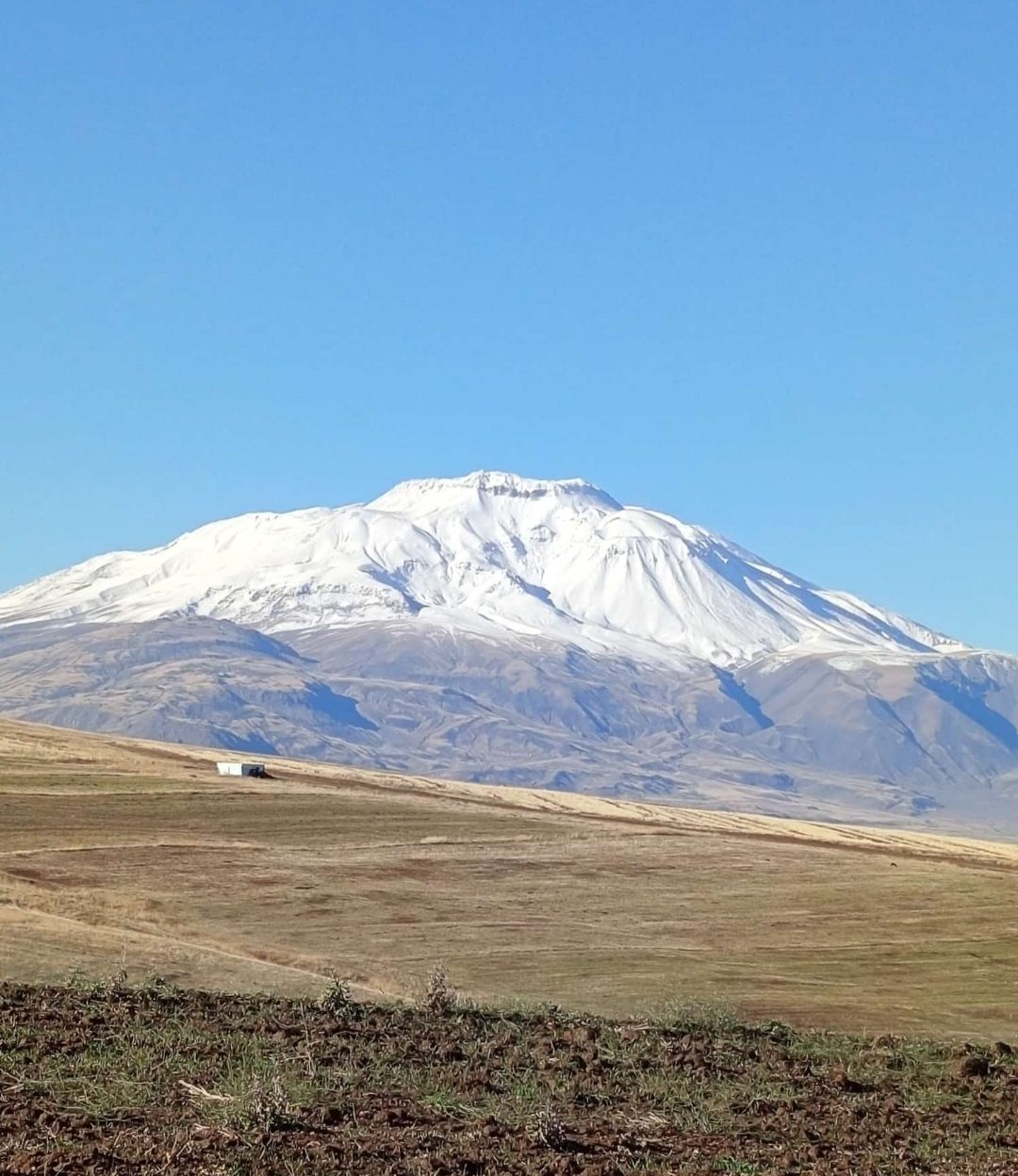
Mount Süphan is Turkey's second highest volcanic mountain, located in the Eastern Anatolia Region within the borders of Adilcevaz district of Bitlis.
Story
Mount Süphan, rising within the borders of Adilcevaz district of Bitlis province in the heart of the Eastern Anatolia Region, is Turkey's second highest volcanic mountain. With its peak reaching 4058 meters, this majestic mass is one of the most striking natural symbols of the region and the country, after Mount Ararat. Geologically classified as a stratovolcano, Süphan took its current form as a result of millions of years of volcanic activity. The foothills and slopes of the mountain are home to rich vegetation and various wildlife species. Especially in spring and summer, streams fed by melting snow and alpine meadows offer stunning views adorned with endemic flowers unique to the region. Süphan is one of Turkey's important destinations for mountaineering and hiking, attracting professional climbers and nature enthusiasts, especially during the summer months. The summit climb usually starts around Aygır Lake, and although not technically challenging, it requires good preparation due to high altitude and changeable weather conditions. Upon reaching the summit, you are rewarded with breathtaking panoramic views of the western end of Lake Van, Nemrut Caldera, and other surrounding mountains. Aygır Lake, located in the heart of the mountain, is a unique natural beauty of Süphan, formed by the collapse of the crater rim. With its cold and clear waters, it offers visitors a different experience. Mount Süphan is combined not only with its natural beauties but also with the culture and lifestyle of the local people living on its foothills. Local animal husbandry activities and traditional transhumance create a life cycle intertwined with the mountain's ecosystem. A visit to Süphan offers not only a physical climb but also an opportunity to deeply experience the untouched nature, geological heritage, and cultural fabric of Eastern Anatolia. This unique natural area is a route that promises unforgettable memories, attracting both adventure seekers and those looking for peace and tranquility.
Visit Tips
- The most suitable period for climbing is July and August
- Carry an experienced guide and fully equipped mountaineering gear when climbing the mountain
- Choose layered clothing and wind/rainproof outerwear as weather conditions can change rapidly at the summit
- Carry enough water, food, and first-aid supplies with you