
 Powered by Google
Description
A historical village in the Yıldırım district of Bursa, featuring the finest examples of Ottoman civil architecture, and a UNESCO World Heritage site.
Story
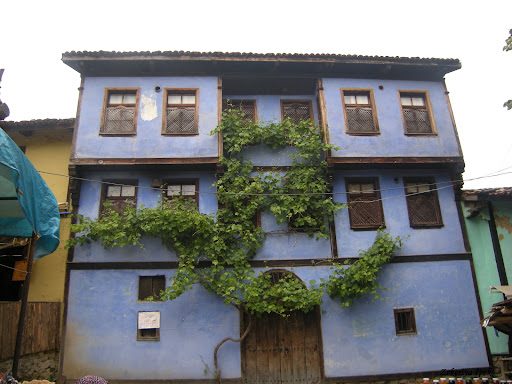
Cumalıkızık Village, located at the foot of Uludağ in the Yıldırım district of Bursa, is an important settlement bearing traces of the early periods of the Ottoman Empire. The village's history dates back to the late 13th and early 14th centuries, the first years of the Ottoman Beylik. According to legends, Cumalıkızık, one of the "Kızık" villages at the foot of Uludağ, got its name because it was the central village where people gathered for Friday prayers. The village is one of the rare settlements that has largely preserved its typical Ottoman rural architecture to this day. With its narrow, cobblestone streets, and colorful, bay-windowed houses made of wood and adobe, it offers visitors a journey through time. Most of these houses bear characteristics from the 17th and 18th centuries, while some also show traces from earlier periods. The structures in the village are generally two or three stories high, with the lower floors used as stables or storage, and the upper floors arranged as living spaces. The windows of the houses are usually small and latticed, reflecting the social and security understanding of the period. Cumalıkızık was inscribed on the UNESCO World Heritage List in 2014 as part of "Bursa and Cumalıkızık: The Birth of the Ottoman Empire"...
Visit Tips
- Wear comfortable shoes to walk easily on the narrow and stony streets of the village.
- Don't hesitate to get lost in the streets to closely examine the traditional Cumalıkızık houses and architecture.
- Sit under the historical plane tree in the village square and taste local delicacies, especially try the village breakfast.
- Visit the ethnography museum in the village to learn about Cumalıkızık's past and lifestyle.
- You might consider buying handmade souvenirs and natural products from the stalls selling local goods.