
 Powered by Google
Description
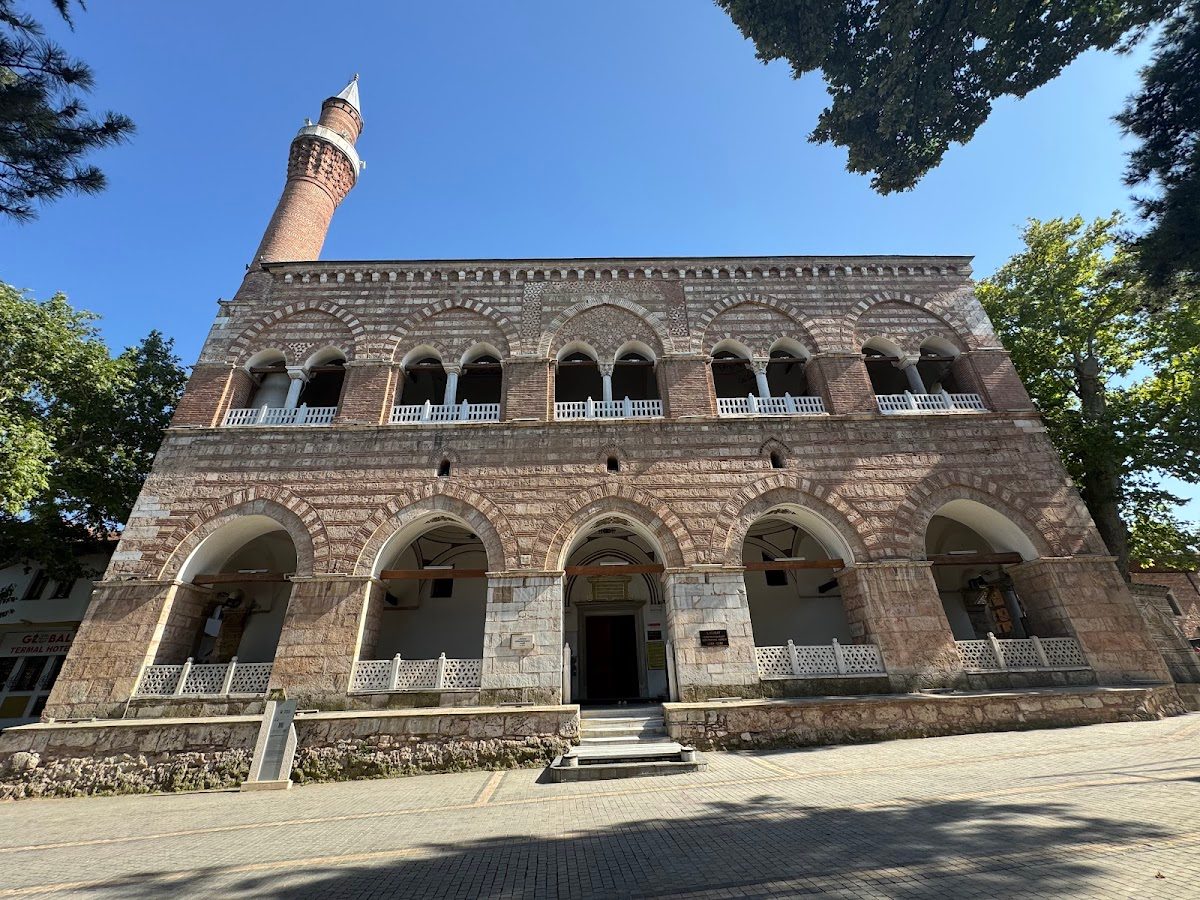
On Bursa’s western side, Hüdavendigar Mosque is a monumental Ottoman complex built by Sultan Murad I, known for its unique design that combines a mosque and a madrasa in one structure.
Story
Located in the Osmangazi district, the Hüdavendigar Mosque (Murad I Mosque) stands on a calm hill overlooking the Bursa plain and is one of the symbolic buildings that reflect the city’s growing confidence after the conquest. Built in the last quarter of the 14th century in memory of the Ottoman sultan Murad I, who was martyred at Kosovo, the structure was conceived not only as a place of worship but also as a center of learning and social life. The title “Hüdavendigar” means “lord of lords,” and the impressive mass of the mosque lives up to this name. The most striking feature of the building is its two-storey hybrid plan, which departs from the conventional single-volume mosque typology. The ground floor houses the mosque proper, while the upper floor was arranged as a madrasa. This configuration reflects an original vision that unites the concepts of worship and knowledge under the same roof yet separates them by floor. The spacious prayer hall on the lower level is illuminated by soft light filtering through high windows; modest painted decorations and simple ornamentation along the walls reveal the measured aesthetics of early Ottoman architecture. When you climb to the upper floor, you enter a world of learning framed by a small courtyard and arcades; the rooms silently testify to the days when students studied and teachers transmitted knowledge there. The exterior of Hüdavendigar Mosque is defined by a rhythmic texture created by the alternating use of cut stone and brick. The arrangement of windows, cornices, and arches on the façade offers early hints of the Ottoman style that had not yet fully crystallized but was clearly taking shape. In the nearby tomb, it is believed that the internal organs of Murad I are buried, which lends the site a special spiritual significance for visitors. Today the mosque serves both as part of the neighborhood’s daily life and as a tranquil stop for those exploring Bursa. Once you step into the courtyard, the bustle of the city center fades away, replaced by birdsong and the sound of the call to prayer carried by a light breeze. Especially in the late afternoon, when the sun gently illuminates the side façades, the building offers compelling frames for photography enthusiasts. Visitors who respect prayer times can enter the interior, pause in the courtyard, and gaze out over the view that opens toward the Bursa plain. Hüdavendigar Mosque preserves the architectural memory of a period when the Ottoman state was just beginning to shape its imperial identity. Though not as monumental as the Grand Mosque (Ulu Camii), it is an indispensable stop for understanding the Ottoman heritage in Bursa, thanks to its historical layers, distinctive plan scheme, and intimate atmosphere.
Visit Tips
- Visiting Hüdavendigar Mosque in the early morning hours allows you to avoid the crowds and helps you better experience the peaceful atmosphere of the mosque.
- To closely observe the interior architecture of the mosque, you can witness the intricacies of Ottoman art by examining the detailed decorations; therefore, don't forget to bring a camera with you.
- Plan a walk to explore the madrasah and other structures located around the mosque; this area is filled with historical and cultural riches.
- During your visit, obtaining information from a local guide will provide you with a deeper understanding of the mosque's historical and architectural features.