
 Powered by Google
Description
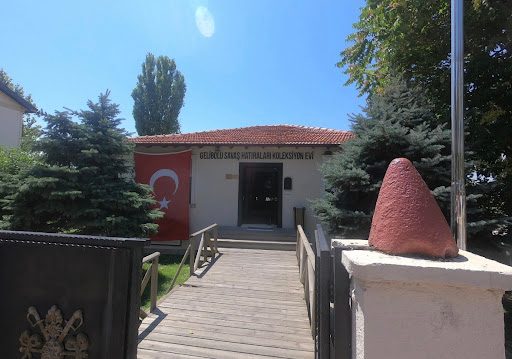
The Gallipoli War Museum is an important historical site documenting the heroism and suffering experienced during the Çanakkale War.
Story
The Gallipoli War Museum was established on the historic Gallipoli Peninsula, where the Çanakkale War took place, with the aim of transmitting the traces and memories of the war to future generations. The museum was brought to life in the late 1970s as a result of efforts initiated to showcase the intensity of the war and the human drama. It contains numerous original objects, photographs, documents, and dioramas related to the Çanakkale War. Visitors deeply feel the atmosphere of that period through artifacts such as soldier uniforms, weapons, personal belongings, letters, and ammunition collected from the battlefield. One of the most striking sections of the museum is the dioramas that recreate different fronts and important moments of the war. These dioramas realistically reflect the harsh conditions of trench warfare, the daily lives of soldiers, and the conflicts on the front lines. Additionally, there are special sections dedicated to the memory of soldiers who lost their lives in the war. These sections include the names and short biographies of the martyrs, reminding visitors of the personal dimension of the war and the magnitude of the losses. The museum not only honors Turkish soldiers but also Anzac, British...
Visit Tips
- Allocate at least 2-3 hours to visit the museum; this duration will be sufficient given the density of exhibited artifacts and information.
- Since it can be crowded, especially on weekends and public holidays, you might prefer weekday mornings for a calmer visit experience.
- Check areas where photography is permitted inside the museum and avoid using flash.
- Allocate time to visit other historical sites and martyrs' cemeteries around the museum to get a comprehensive picture of the Çanakkale War.
- Carefully read the informative panels inside and around the museum; these panels provide detailed information about the exhibited artifacts.