
 Powered by Google
Description
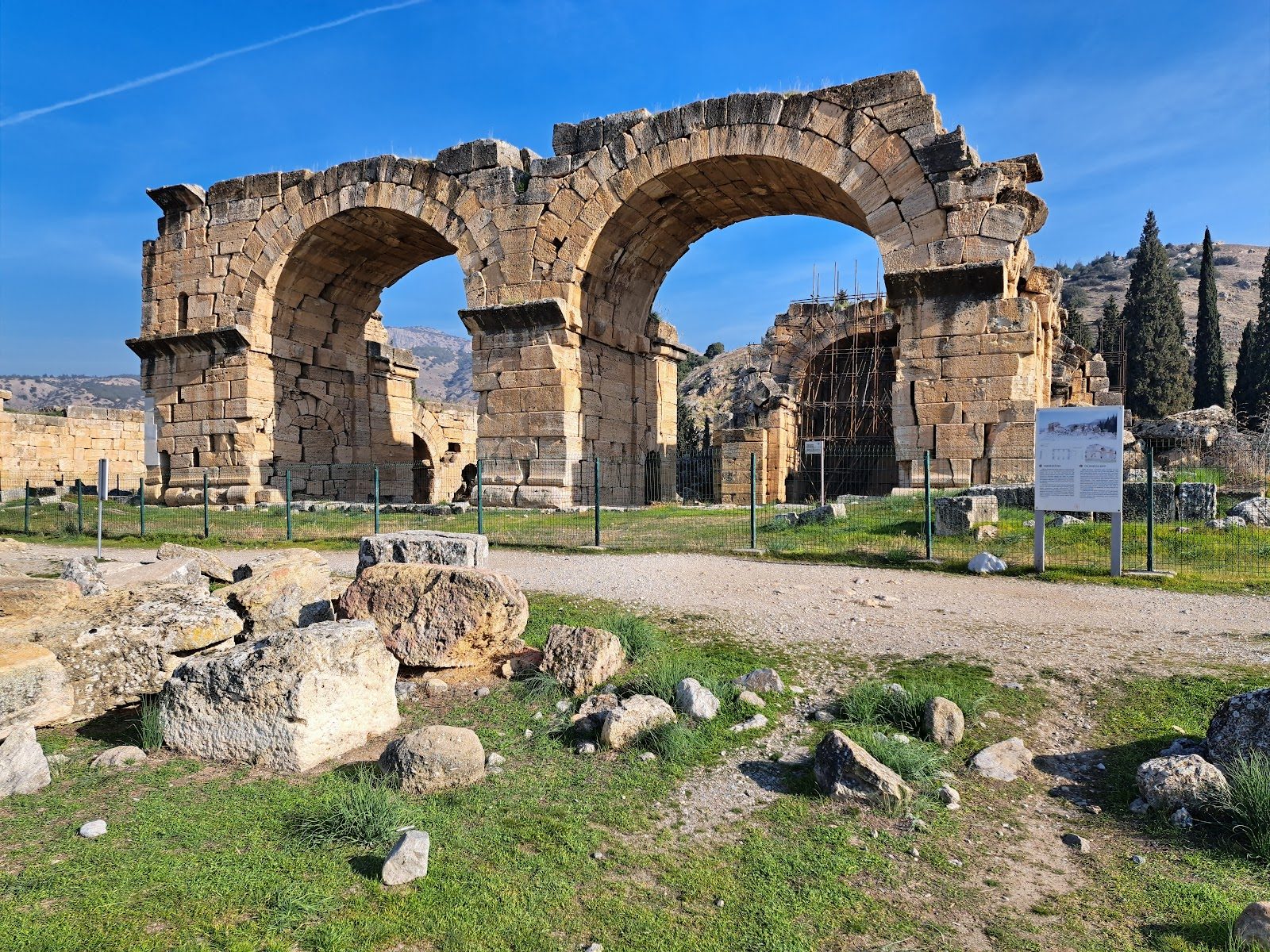
The Agora is a large public square in ancient cities, serving as the center for trade, politics, and social interactions.
Story
In ancient cities, agoras were the heart of the city and were usually surrounded by stoas, temples, public buildings, and shops. These squares were more than just marketplaces where commercial activities took place; they were also multifunctional areas where citizens gathered to engage in political debates, hold philosophical discussions, and perform religious ceremonies. Agoras are critically important for understanding the social structure and urban planning of ancient Greek and Roman civilizations. For example, the Agora of Athens is known as the birthplace and development site of democracy, while the Roman Forum played a similar role and was the administrative center of the empire. The architecture and layout of agoras reflect the aesthetic understanding and engineering skills of the period. They were typically adorned with large marble or stone-paved areas, colonnaded galleries, and statues. These structures also showcased the economic prosperity and cultural richness of the cities. Agoras also hosted courts where legal processes were conducted and public assemblies. Therefore, they were an integral part of the social, cultural, and political life of ancient cities. Today, agoras can be found among the ruins of many ancient cities...
Visit Tips
- Wear comfortable shoes for your visit, as the area can often be large and have uneven surfaces.
- Don't forget to use a hat, sunglasses, and sunscreen on sunny days, as it is an open area.
- Prevent fluid loss by bringing water with you, especially in summer when temperatures can be high.
- Try to capture suitable angles and lighting conditions for photography; you can best reflect the historical texture.
- You can research beforehand or use local guides to learn about the history and functions of the Agora.