
 Powered by Google
Description
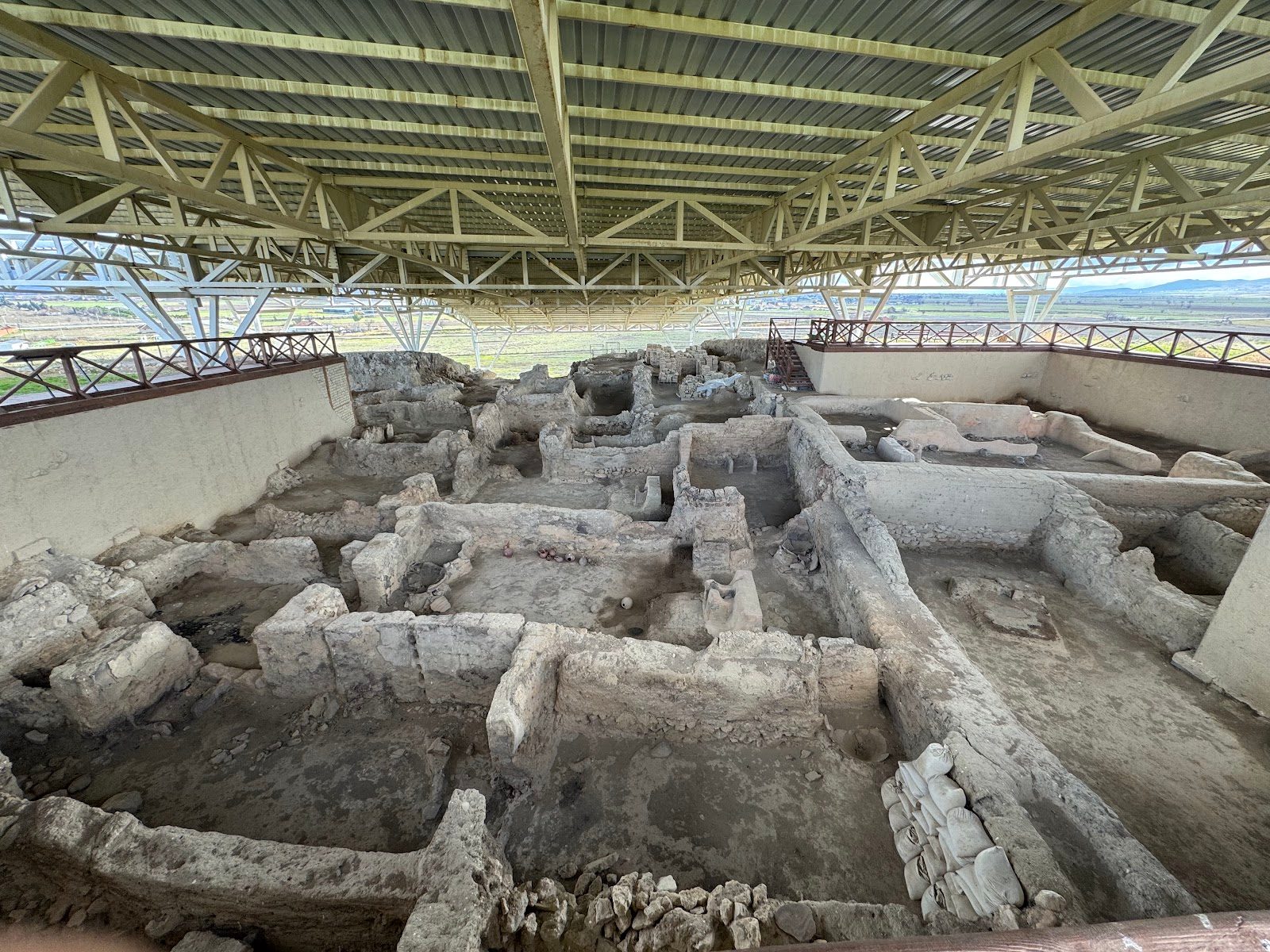
Beycesultan Mound, located in the Çivril district of Denizli, is one of the most important prehistoric settlements in Western Anatolia.
Story
Beycesultan Mound is located in the upper reaches of the Büyük Menderes River, 5 km southwest of the Çivril district. It was first excavated between 1954 and 1959 by Seton Lloyd and James Mellaart on behalf of the British Institute of Archaeology. These excavations revealed that the region was home to continuous settlement from the 5th millennium BC to the middle of the 2nd millennium BC. The mound is particularly notable for its findings from the Early Bronze Age and Middle Bronze Age. During these periods, Beycesultan was an important cultural and commercial center in Western Anatolia. Excavations uncovered highly developed architectural structures, pottery, metal artifacts, and seals for their time. The palace structures, in particular, provide important information about the social and political structure of the period. The earliest settlement layers identified in the mound date back to the Chalcolithic Age. In later periods, especially in the early 2nd millennium BC, findings indicating the interactions of the Hittite Empire in Western Anatolia were encountered. The importance of Beycesultan lies in its significant contribution to understanding the chronology and cultural development of Western Anatolia. The mound also sheds light on agricultural and livestock activities in the region…
Visit Tips
- Before visiting the mound, you can see artifacts from Beycesultan by researching museums in the region.
- If you are visiting in the summer, remember to bring a hat, sunscreen, and plenty of water.
- Wear comfortable shoes when walking around the mound.
- Learning about the historical and archaeological importance of the region beforehand will make your visit more meaningful.
- Explore different points of the mound to find suitable angles for photography.