
 Powered by Google
Description
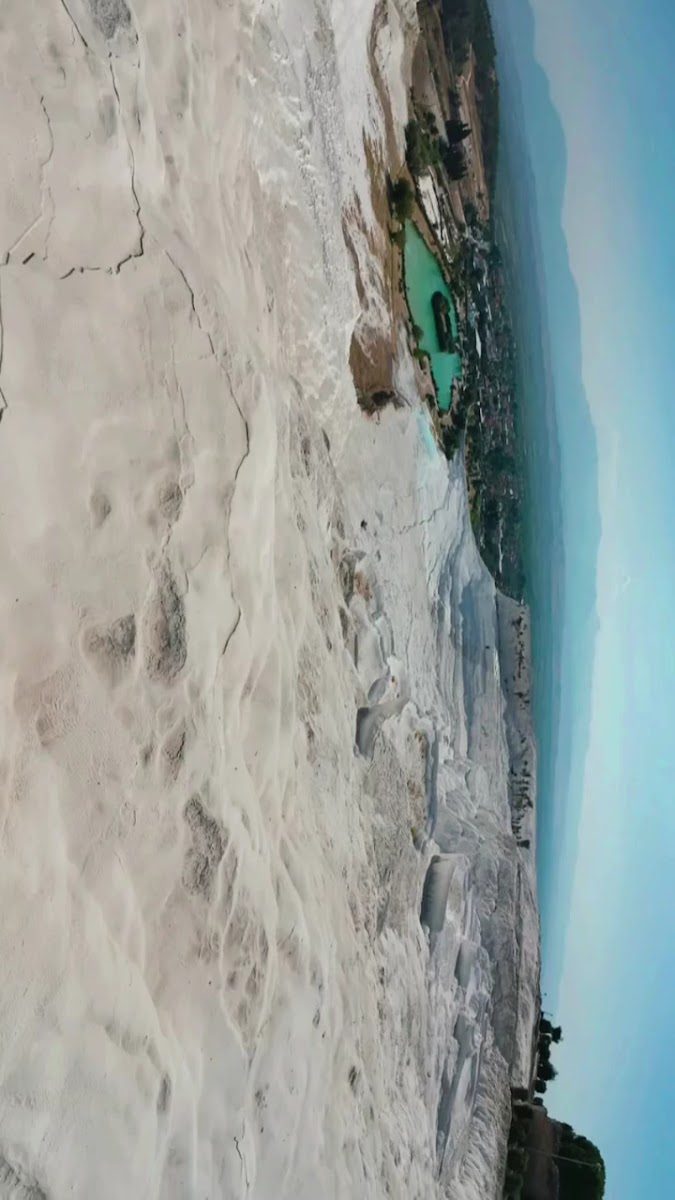
Hierapolis Ancient City and Pamukkale Travertines is a unique region listed on the UNESCO World Heritage list, known for its natural beauty and historical remains.
Story
Hierapolis is an ancient city founded in the Phrygian region, in the Menderes River valley, directly above the Pamukkale travertines formed by thermal waters. Although the exact date of its foundation is unknown, it is believed to have been founded by King Eumenes II of Pergamon in the 2nd century BC or named after the Amazon Queen Hiera. Hierapolis experienced significant development during the Roman Empire, becoming an important health and religious center, especially due to its thermal waters. The city was frequently destroyed by earthquakes and rebuilt. After a major earthquake in 60 AD, the city was rebuilt and experienced its golden age during the reign of Roman Emperor Nero. Hierapolis also holds an important place in Christian history; it is believed that Saint Philip, one of the twelve apostles of Jesus, was martyred here, and his tomb is located in the city. For this reason, it became an important pilgrimage center for Christians. The ancient city contains many important structures such as a theater, agora, baths, necropolis, and the Martyrium of Saint Philip. The well-preserved ancient theater, with a capacity of approximately 15,000 people, is particularly noteworthy. The necropolis area is the largest ancient burial ground in Anatolia…
Visit Tips
- Walk barefoot on the Pamukkale travertines, but be careful as they can be slippery.
- Wear comfortable shoes to explore the ancient city of Hierapolis, as it covers a large area.
- Especially in summer, remember to bring sunscreen, a hat, and plenty of water.
- Be sure to visit the ancient theater and the Martyrium of Saint Philip.
- Experience swimming among ancient ruins in Cleopatra's Pool (may incur an additional fee).