
 Powered by Google
Description
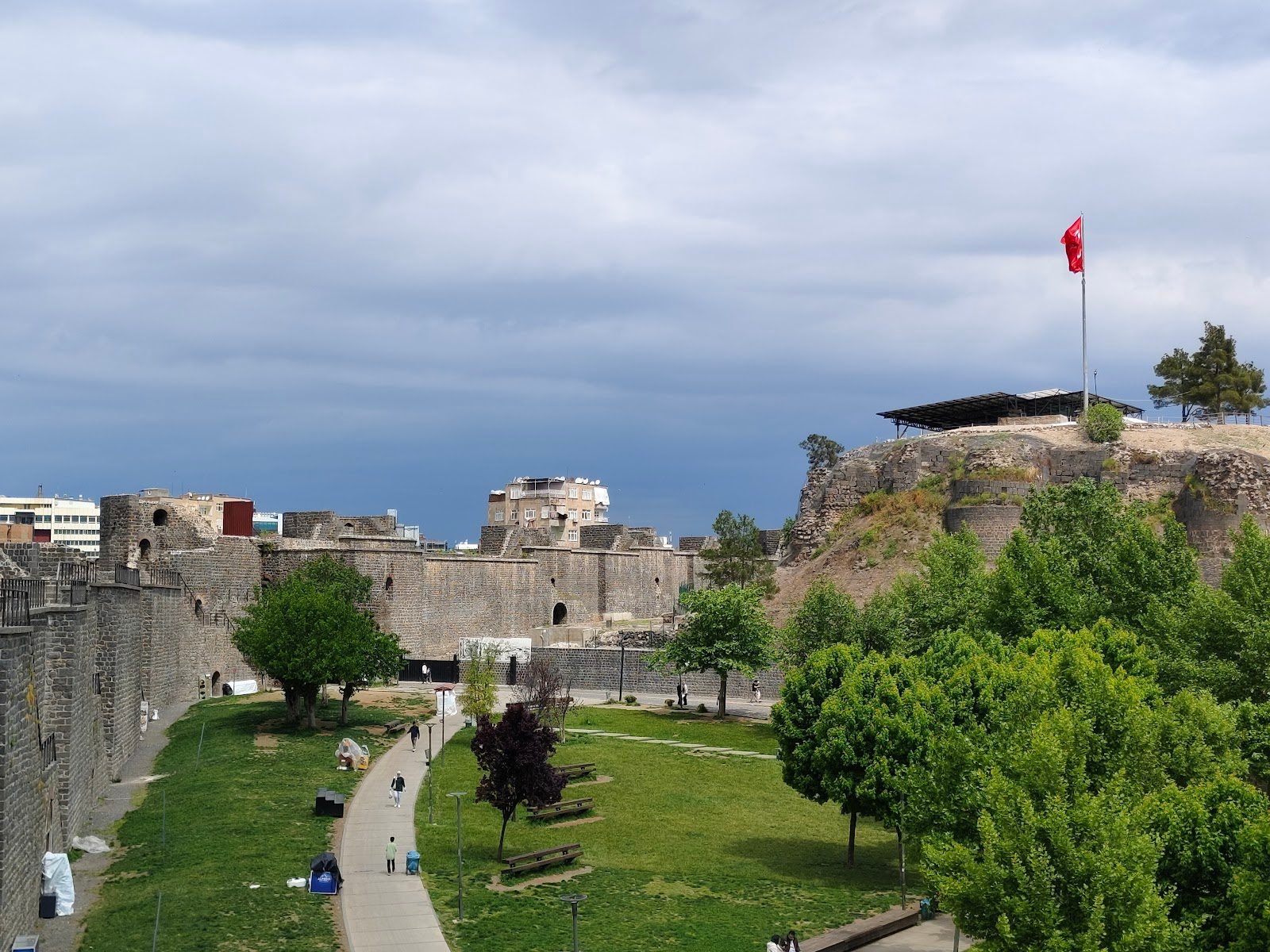
Surrounding Diyarbakır, it is one of the longest and best-preserved walls in the world after the Great Wall of China.
Story
The Diyarbakır Walls are one of the most important symbols of the city of Diyarbakır, which has hosted many civilizations throughout history. The construction of the walls is thought to have begun in the 4th century BC by the Hurrians, and they largely took their current form during the Roman Empire. Extensive repairs and additions were made, especially during the reign of Emperor Constantius II (349 AD). Later, they were used, repaired, and strengthened by many civilizations such as the Byzantines, Sassanids, Umayyads, Abbasids, Marwanids, Seljuks, Artuqids, Akkoyunlus, and Ottomans. The total length of the walls is approximately 5.5 kilometers, and they feature 82 bastions and 4 main gates (Dağ Kapı, Urfa Kapı, Mardin Kapı, Yeni Kapı). Each bastion and gate is adorned with reliefs, inscriptions, and decorations reflecting the architectural features of different periods. Bastions such as Yedi Kardeş Burcu (Seven Brothers Bastion), Evli Beden Burcu (Married Body Bastion), and Keçi Burcu (Goat Bastion) particularly stand out with their architectural grandeur and detailed carvings. Beyond being merely a defensive structure, the walls have also played an important role in the city's cultural and social life. The mosques, churches, inns, and houses located within the inner walls reflect Diyarbakır's rich history and multicultural life...
Visit Tips
- Instead of walking the entire length of the walls, you can enter and exit through specific gates to visit important bastions and historical structures within the inner walls.
- Watching the panoramic view of the city from atop the walls, especially at sunset, offers a mesmerizing experience.
- Allocate time to thoroughly examine important bastions such as Yedi Kardeş Burcu (Seven Brothers Bastion), Evli Beden Burcu (Married Body Bastion), and Keçi Burcu (Goat Bastion).
- You can learn more about the region's history by visiting the İçkale Museum located within the inner part of the walls.
- During summer months, prefer to visit in the early morning or cool evening, as midday can be quite hot.