
 Powered by Google
Description
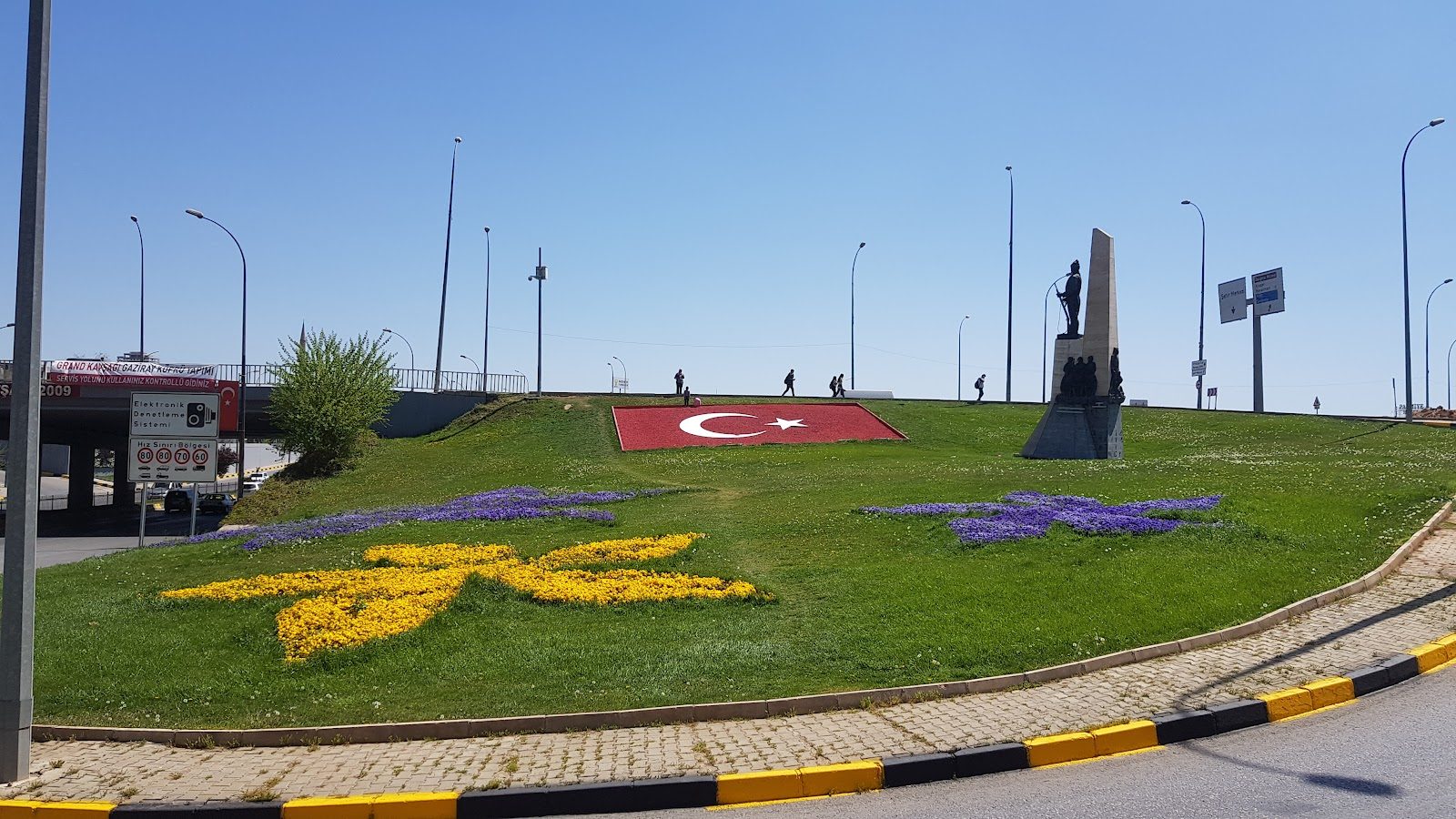
The Şehitkamil Monument is an important monument located in the Şehitkamil district of Gaziantep, erected to commemorate Şehitkamil, one of the heroes of the Turkish War of Independence.
Story
The Şehitkamil Monument was built in memory of Mehmet Kamil, one of the symbolic figures of Gaziantep's resistance during the War of Independence. Mehmet Kamil, who at the age of 14 etched his name in history with his courage and resistance against the French occupation forces, was martyred on January 21, 1920. This heroic story is one of the most striking examples of the determination and sacrifice shown by the people of Gaziantep against the occupation. The monument was erected to convey Şehitkamil's epic struggle and love for his homeland to future generations. The architecture of the monument has a simple and powerful design reflecting the national architectural understanding of the period. Rising on a wide pedestal, the monument features a bust or a symbolic figure of Şehitkamil. Located within a landscaped park area, the monument offers visitors both a historical atmosphere and reinforces national feelings. The area where the monument is located also gave its name to the Şehitkamil district. Every year, especially on the anniversaries of the War of Independence and national holidays, ceremonies are held around the monument, and Şehitkamil and all martyrs are commemorated with respect. This monument not only keeps alive the memory of a martyr but also the spirit of resistance of Gaziantep and its...
Visit Tips
- When visiting the monument, read the information panels that tell the story of Şehitkamil.
- Take a short walk and relax in the park area around the monument.
- You might consider attending ceremonies held especially on national holidays or commemoration days.
- Plan to visit other historical and cultural sites in the Şehitkamil district where the monument is located.
- It is a suitable place for taking photos, but respect the sanctity of the monument and its surroundings.
Nearby places
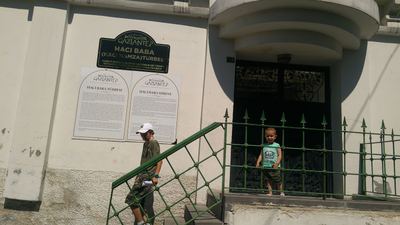
Hacı Baba Tomb
Şehitkamil
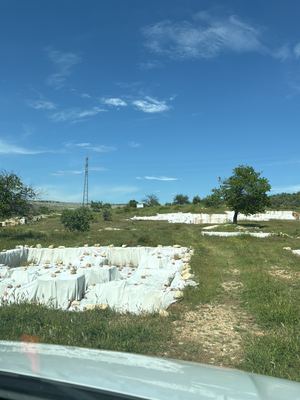
Dülük / Doliche Ancient City
Şehitkamil
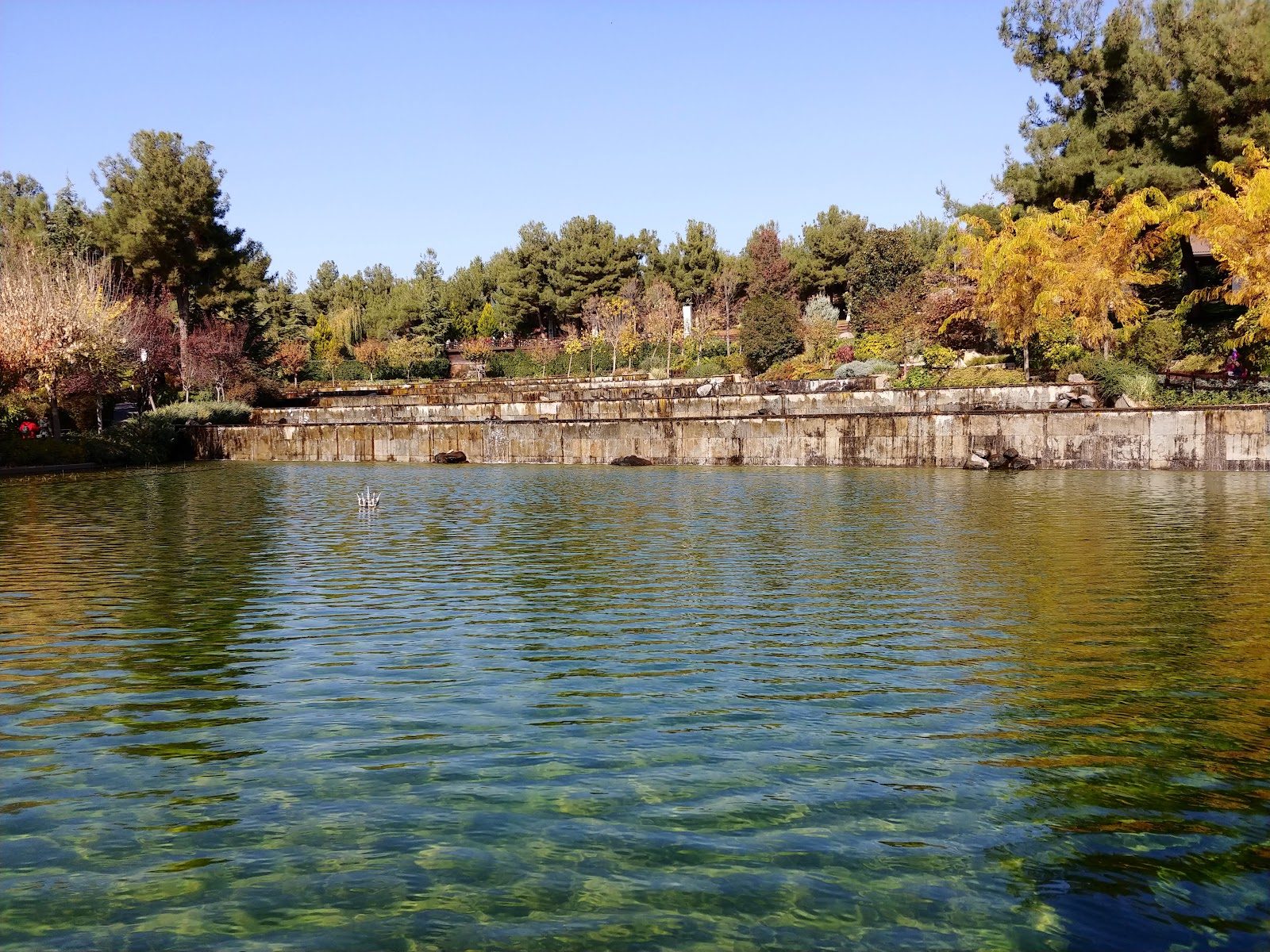
Erikçe Picnic Area
Şehitkamil
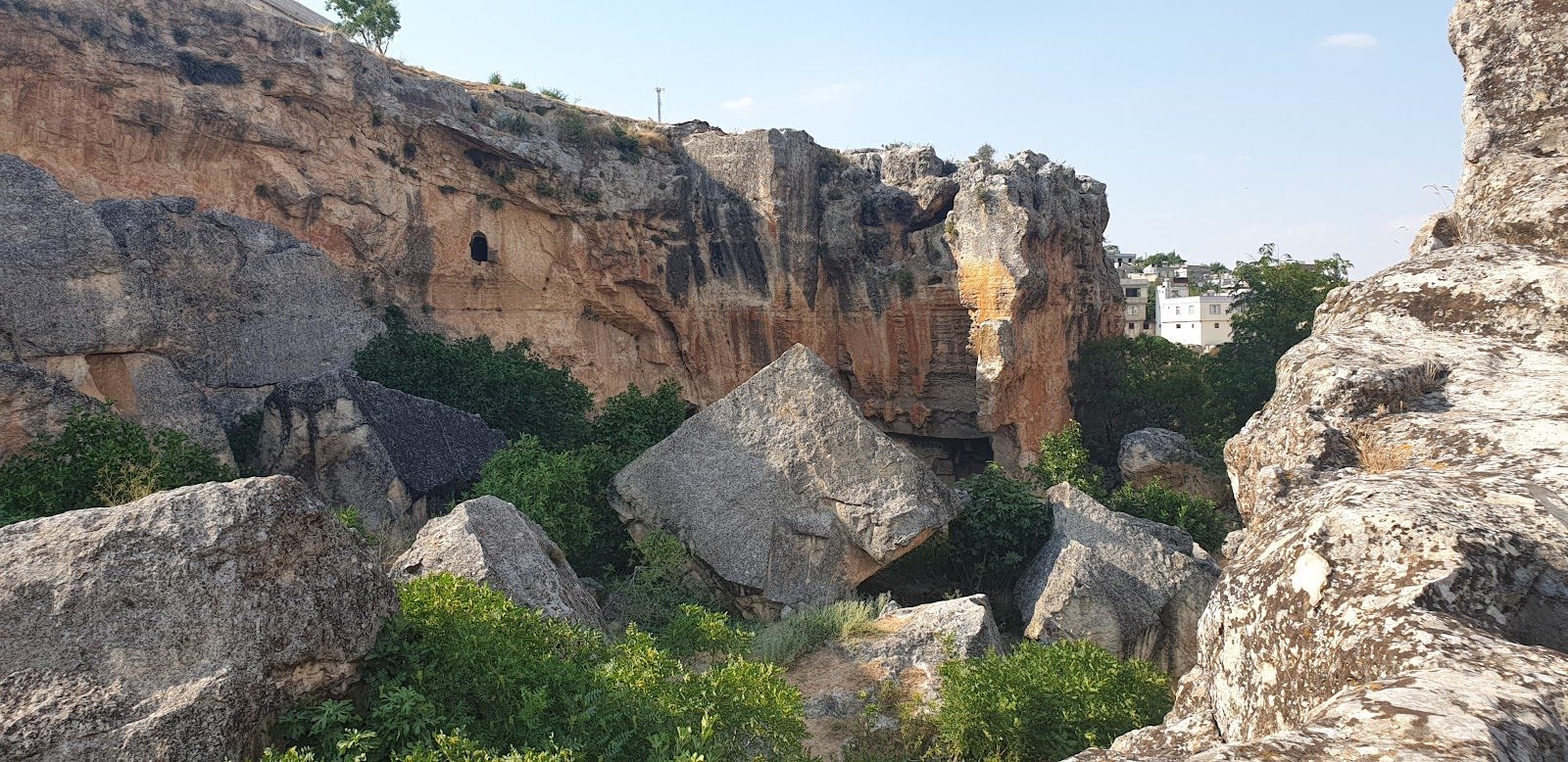
Basamaklı Mağara Rock Churches & Necropolis
Şehitkamil
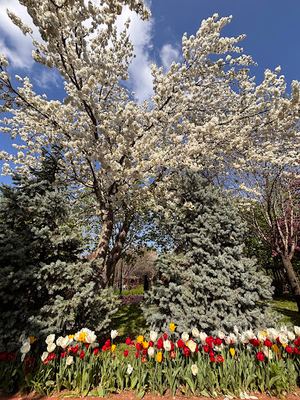
Botanical Garden
Şehitkamil
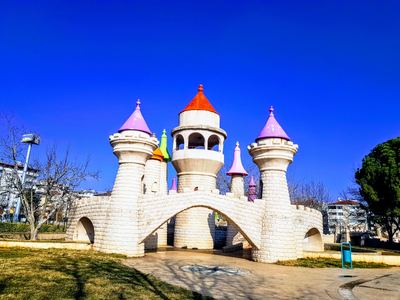
Fairy Tale Park
Şehitkamil
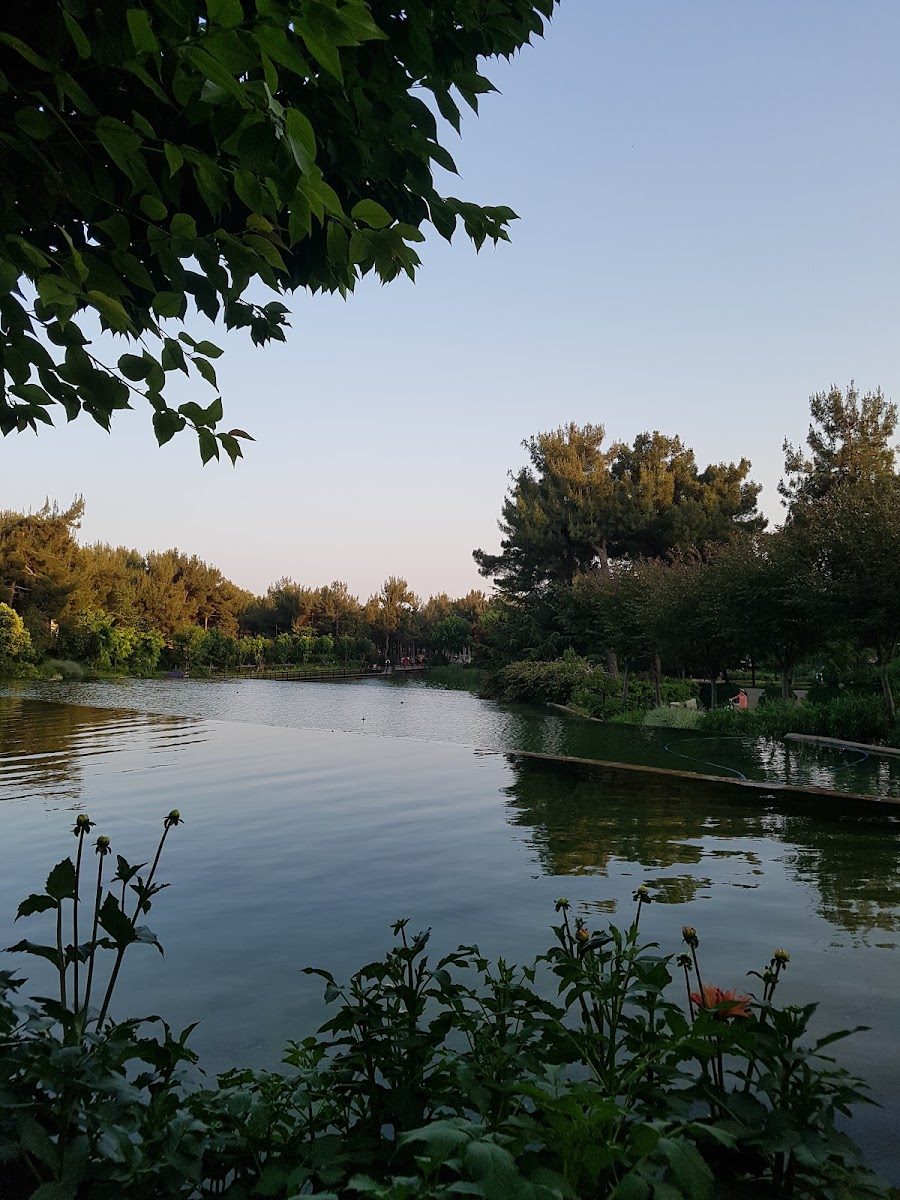
Dülükbaba Biological Pond
Şehitkamil
Dülükbaba Nature Park
Şehitkamil