
 Powered by Google
Description
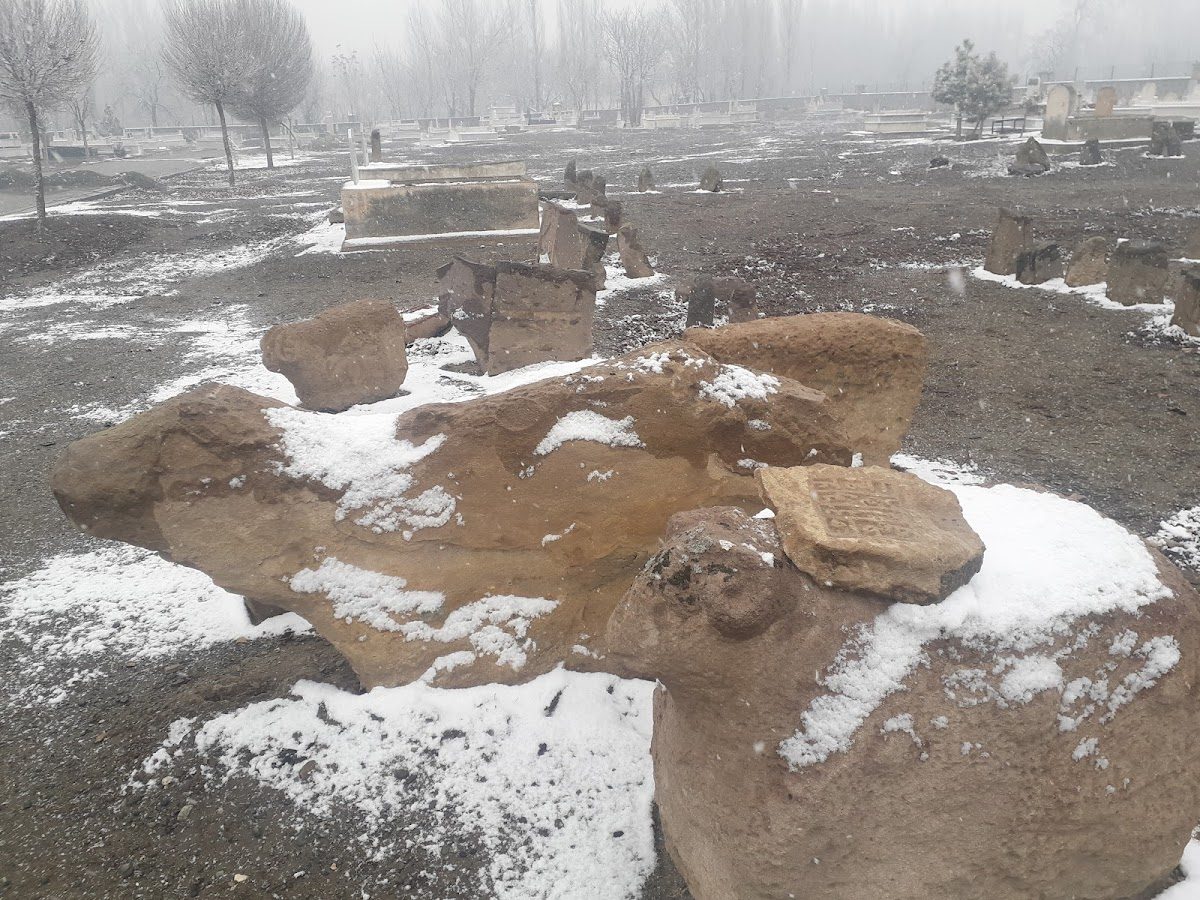
The ram-headed tombstones in Karakoyunlu are unique stone monuments reflecting medieval nomadic Turkic culture and the region’s monumental burial traditions.
Story
In the Karakoyunlu district of Iğdır, the Ram-Headed Tombstones rise from the wide plains of the Aras Valley, looking modest at first glance yet revealing a layered story the closer you get. Standing by the roadside or among fields, sometimes alone and sometimes in small clusters, these stone monuments are silent witnesses to the medieval nomadic Turkic tribes such as the Karakoyunlu and Akkoyunlu that once dominated the region. The most striking feature of the cemetery is the ram-shaped stone blocks placed at the head of the graves. In ancient Turkic culture, the ram is associated with strength, courage, fertility and the honour of the clan. Erecting a ram statue at a grave therefore served as a way of honouring brave warriors, influential chiefs or respected members of the community. In the examples at Karakoyunlu, the bodies of the rams are often kept plain, while some show relief carvings of swords, daggers, belts or ornamental motifs. Made mostly of basalt and other local stones, the monuments display a simple yet robust craftsmanship. Even where wind and rain have worn the surfaces, the sharp lines left by skilled hands can still be discerned. Some rams face east, others towards the plain; this orientation is thought to have been determined by the lineage of the deceased, the position of the grave, or the ritual practices of the time. Historically dated between the 13th and 16th centuries, these tombstones preserve traces of a nomadic legacy that endured in local memory even as political power in the region changed hands. For visitors, what makes this place special is not only the stones themselves but also their relationship with the surrounding landscape. When you climb the gentle rise overlooking the silent plain, the silhouette of Mount Ararat appears in the distance; together with the dignified stance of the ram figures, this view lends the site an almost ritual atmosphere. Especially towards sunset, the shadows of the stone rams grow longer, evoking long-vanished caravan routes, seasonal migrations between pastures and forgotten battles. Today, the Ram-Headed Tombstones function as an open-air museum for both art historians and travellers interested in ethnography. You will not find ticket booths or crowded tour groups here, which helps the place preserve its natural character and quiet. Still, it is important to be careful not to climb on the stones, touch them roughly or disturb the surrounding soil, as each has been registered as a cultural asset. The entire area can be covered with a short walk, yet it leaves visitors with a powerful sense of history that lingers long after they leave. The ram-headed tombstones of Karakoyunlu are more than just a graveyard; they embody in stone the value system of a nomadic society, its understanding of honour and its stance toward death. For anyone coming to Iğdır, leaving the modern buildings of the city centre behind and making a detour to this site offers a unique opportunity to grasp the multi-layered memory of Eastern Anatolia.
Visit Tips
- When visiting the tombstones with ram heads, prefer the morning or evening hours when the lighting for photographs is best.
- Bringing a magnifying glass with you to observe the details of the gravestones will allow you to see the fine craftsmanship on the stones more clearly.
- Before your visit, obtaining brief information about Karakoyunlu will help you understand the history of the gravestones and their cultural significance.
- By chatting with the local people, you can gain deeper insights into the ram-headed tombstones and the traditions of the region.