
 Powered by Google
Description
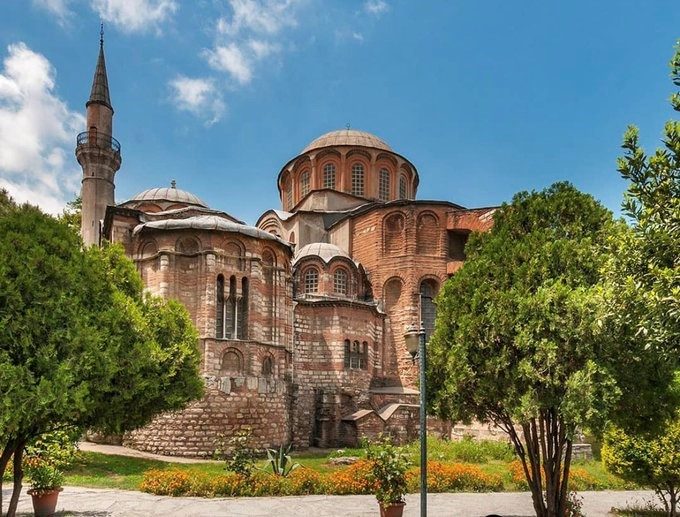
Kariye, with its most famous Byzantine-era mosaics and frescoes, is one of the most valuable structures in world art history.
Story
Kariye Mosque, formerly known as the Chora Monastery, is one of Istanbul's most significant and impressive religious structures from the Byzantine period. The first building is thought to date back to the 4th century; however, the structure standing today was largely formed by renovations it underwent between the 11th and 14th centuries. Its name comes from 'Chora,' meaning 'rural area,' because at the time of its construction, it was outside the walls of Constantinople. The most significant element that makes Kariye unique is the presence of the most magnificent mosaics and frescoes of late Byzantine art. These works represent the highest level of artistic understanding of the period known as the Palaiologan Renaissance. The narthex sections added during restorations commissioned by Theodore Metochites in the 14th century are adorned with mosaics that have made Kariye world-renowned today. These mosaics consist of detailed compositions decorated with scenes from the life of Jesus, the life of the Virgin Mary, prophet figures, and religious themes. The frescoes are concentrated in the underground sections and the parekklesion; particularly, the 'Anastasis' fresco is one of the most highly valued Byzantine works by art historians worldwide. After the conquest of Istanbul in 1453, the structure continued to be used as a church for a while, then was converted into a mosque in 1511. Although the frescoes and mosaics were covered during the conversion of the mosque, the structure itself was not damaged. Kariye gained museum status in 1945 and was meticulously cleaned by international restoration teams, bringing a significant portion of the frescoes back to light. As of 2020, despite being re-registered as a mosque, the artworks inside continue to be preserved. Today, Kariye is considered the pinnacle of Byzantine art and is a unique cultural heritage in terms of both architecture and iconography.
Visit Tips
- Weekday mornings are the calmest times.
- Flash photography is prohibited inside.
- Admission is free, but some sections may have visiting restrictions.
- It can be reached on foot from near Fenari Isa Mosque.