
 Powered by Google
Description
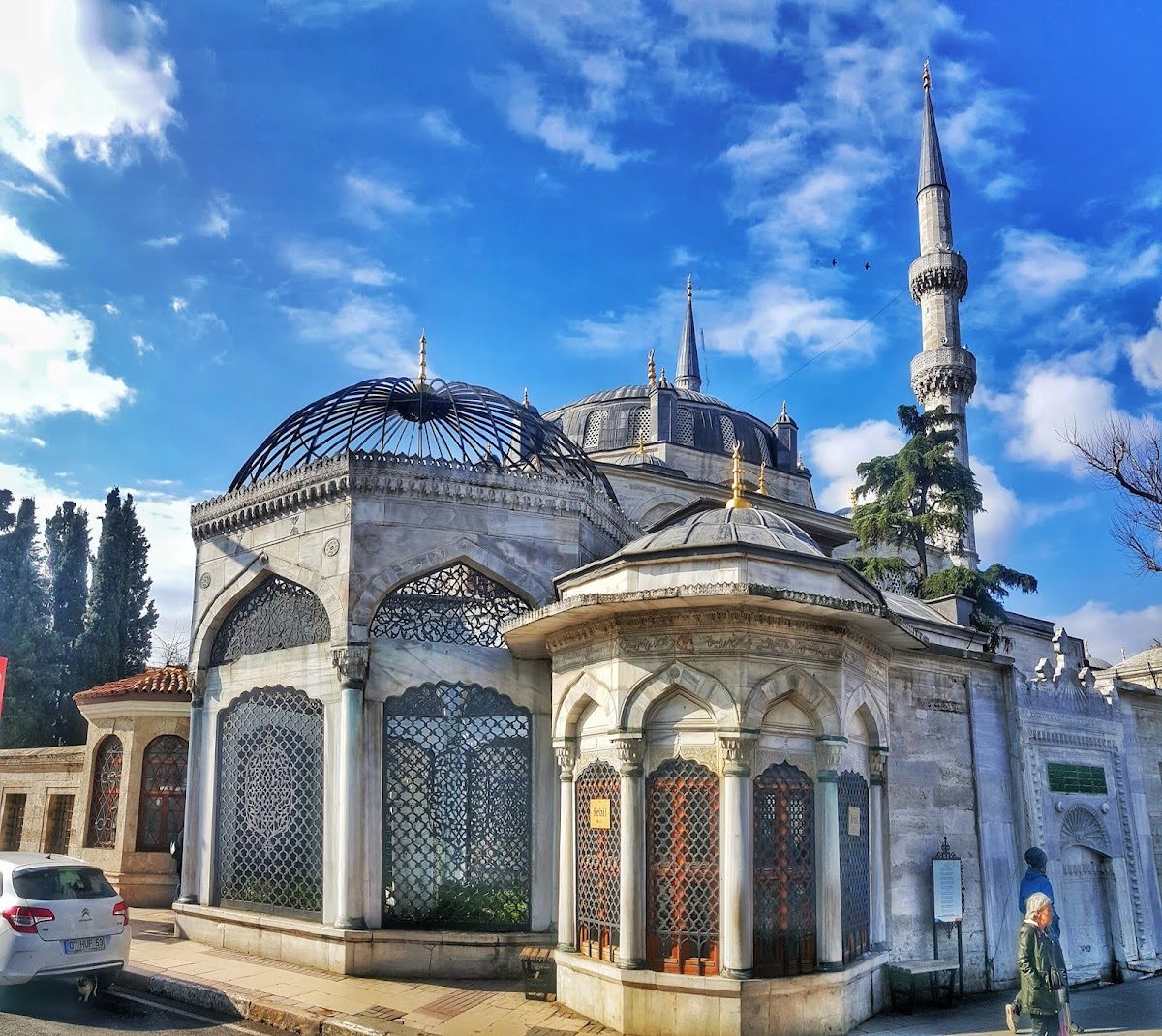
A mosque built by Gülnuş Sultan, mother of Ahmed III, and one of Üsküdar's important Ottoman works.
Story
The New Valide Mosque is one of the most important Ottoman structures that shaped Üsküdar's silhouette. It was built by Gülnuş Emetullah Sultan, mother of Ahmed III, between 1708 and 1711. Due to its construction period, which falls just before the Tulip Era, the mosque bears early Baroque influences along with the classical Ottoman style. The mosque is situated right in the center of Üsküdar Square and its bazaar, at the heart of public life. The mosque is surrounded by a magnificent courtyard, a large ablution fountain, facades adorned with stone carvings, and two minarets. The Iznik tiles, colorful stained-glass windows, and dome decorations used in its interior reflect the aesthetic understanding of the period. The main prayer hall is spacious, and the proportions in the dome's supporting system continue the mastery of the Sinan school. Another important part of the mosque is its complex (külliye): the imaret (soup kitchen), sebil (public fountain), sıbyan mektebi (primary school), and tomb structures complete the complex. Gülnuş Sultan, who is buried in the tomb, is especially known as one of the most influential valide sultans in Ottoman history. The New Valide Mosque has been both a religious and social center throughout history. As Üsküdar was a critical point for sea transportation, it was a frequent stop for travelers and voyagers. During the Ottoman period, the waqf system also revitalized the commercial life around the mosque, forming the core of Üsküdar's bazaar. Today, thanks to regular restorations, the mosque is very well preserved. It continues to be one of Üsküdar's most special structures for both worshippers and history enthusiasts.
Visit Tips
- Admission is free.
- It can be crowded as it is located in Üsküdar Square.
- Early morning hours are quieter.
- Crowds increase on Fridays.