
 Powered by Google
Description
It is a vast complex of palaces and pavilions that served as the center of state administration during the late Ottoman period.
Story
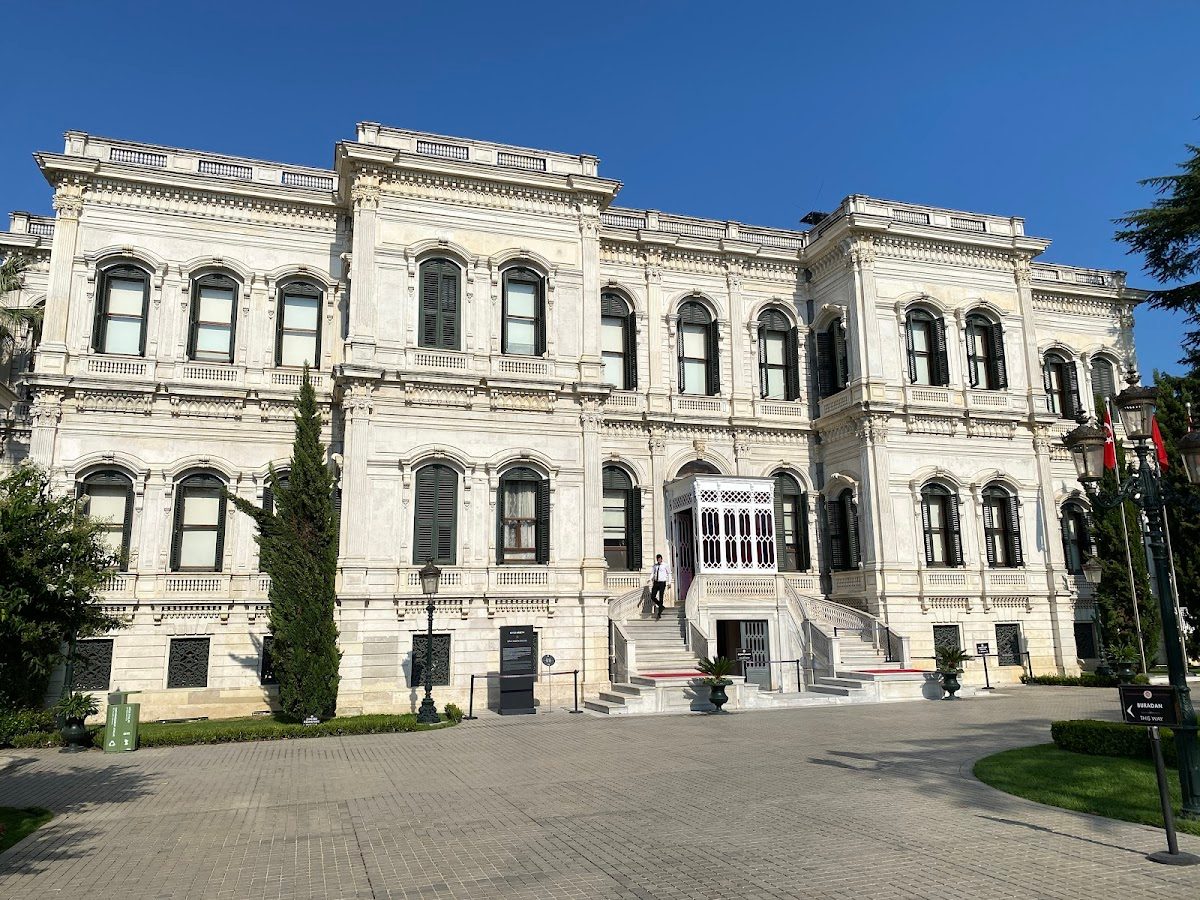
Yıldız Palace is one of the most important palace complexes that became the heart of political administration in the late Ottoman Empire. The first settlement on the hill where the palace is located dates back to the 17th century, but the main expansion occurred in the 19th century during the reign of Sultan Abdul Hamid II. Abdul Hamid moved the state administration to Yıldız Palace due to the perceived security vulnerability of Dolmabahçe Palace. Thus, it became not just a palace, but a large city within a city, where diplomatic meetings, state administration, and palace life were conducted. The palace complex consists of pavilions, kiosks, theater halls, workshops, police stations, and extensive gardens. Among the most well-known structures are the Şale Pavilion, Malta Pavilion, Çadır Pavilion, and Yıldız Theater. The Şale Pavilion, in particular, resembles hunting lodges in European palaces; its giant carpet and exquisite woodworking are dazzling. The Malta Pavilion is a historic building that today serves as a restaurant. The gardens of Yıldız Palace are also of great importance. Yıldız Park is a large grove specially arranged for the palace and adorned with exotic plants. The best examples of Ottoman botanical understanding can be seen here. Although the palace was neglected at times in the 20th century, it has been restored and opened to the public as a museum and cultural area today. It is a multi-layered heritage encompassing architectural, botanical, and political history.
Visit Tips
- Admission is charged.
- Şale Pavilion may be closed on some days; check the schedule.
- Morning hours are ideal for walking in the park.
- It can be reached by a short uphill walk from Beşiktaş.