
 Powered by Google
Description
The structure, one of the largest monastery complexes of the Byzantine period, was converted into a mosque during the Ottoman era.
Story
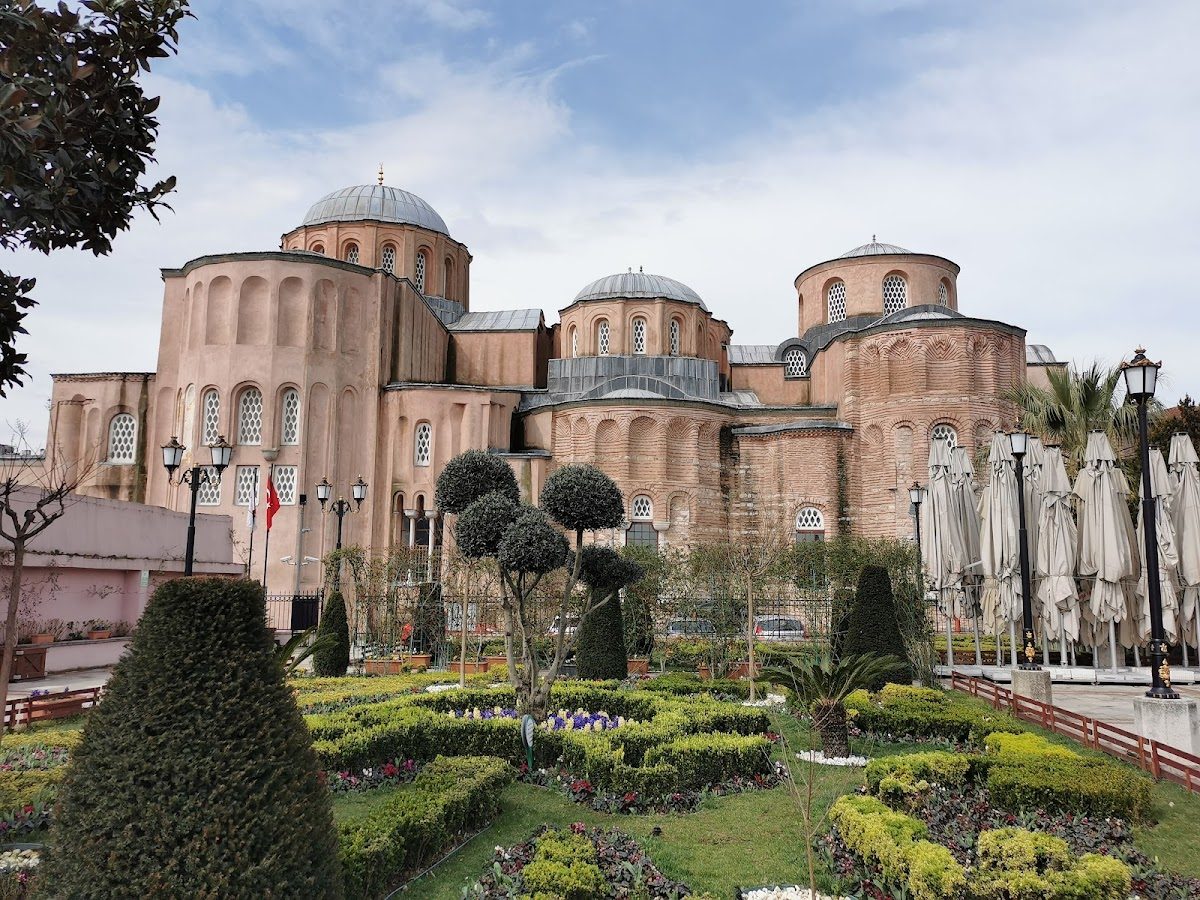
Zeyrek Mosque is the central church of the Pantokrator Monastery, one of Istanbul's largest religious structures remaining from the Byzantine period. Built in the 12th century by Empress Eirene, wife of Emperor John II Komnenos, the monastery complex consists of a combination of three separate churches, representing one of the most complex and significant examples of Byzantine architecture. The main church was dedicated to Christ Pantokrator, the second to the Virgin Mary, and the third section was arranged as an imperial burial chapel. It is known that Byzantine emperors were buried here for a period. After the conquest of Istanbul, the church became one of the important structures used for educational activities and was named 'Zeyrek Madrasa.' The structure began to be referred to as 'Zeyrek' due to Molla Zeyrek Mehmed Efendi serving as a professor here. Converted into a mosque at the end of the 15th century, the structure underwent various repairs during the Ottoman period but largely preserved its main plan. Zeyrek Mosque's architecture reflects the late Byzantine artistic understanding. Brick-decoration techniques, colorful stone patterns on the exterior facade, the dome arrangement, and the remaining traces of frescoes in the interior demonstrate the high artistic value of the building. Over time, the structure was affected by earthquakes, fires, and demolitions, remaining neglected for a long period. With extensive restorations that began in the late 20th century, the building was reinforced again, and a large part of it is now open for worship. The mosque is located in the center of the Zeyrek neighborhood, which is part of Istanbul's World Heritage site, and forms an important silhouette in the panoramic view of the historical peninsula. Today, Zeyrek Mosque, as one of the rare structures carrying both Byzantine and Ottoman heritage, offers visitors the opportunity to see the traces of two great empires under the same roof. The surrounding street texture and wooden houses also enrich the historical experience.
Visit Tips
- Admission is free.
- Some sections may be closed during restoration periods.
- Weekdays mornings are generally quieter.
- Comfortable shoes are recommended as Vefa and Zeyrek slopes are steep.