
 Powered by Google
Description
A colossal temple complex located in Bergama, dedicated to Egyptian gods (especially Serapis) during the Roman period, built from striking red bricks.
Story
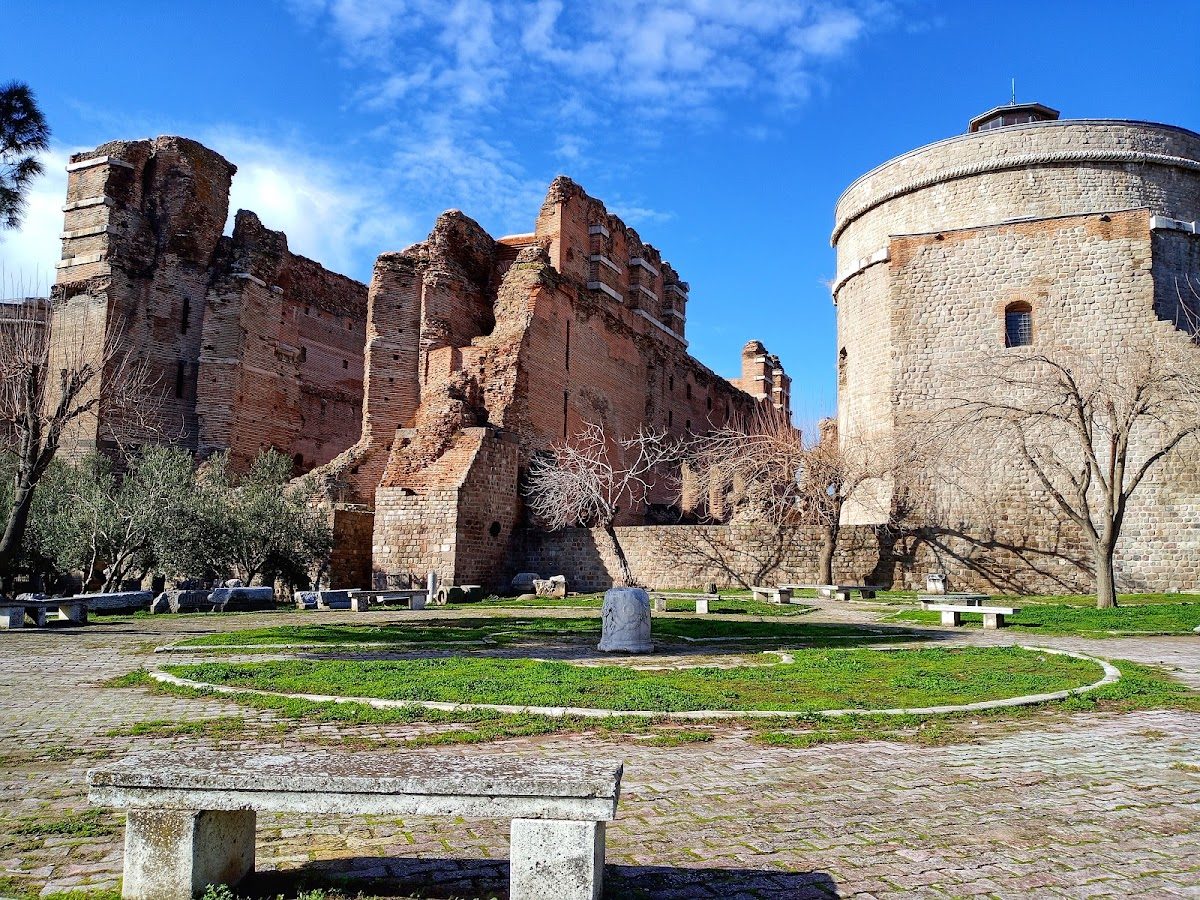
The Pergamon Red Basilica, located in the lower part of Bergama's ancient settlement, right within the district center, is one of the most striking structures reflecting the Roman Empire's power and religious diversity in Anatolia. It derives its name from the baked bricks used in its construction, which turn red in the sun. Built during the reign of Emperor Hadrian in the 2nd century AD, this complex was originally a colossal temple dedicated to Egyptian gods, especially **Serapis**. The temple had a symmetrical structure with a large main temple building in the center and a tower on each side. Its size proves that ancient Bergama was not only a Hellenistic center but also an important metropolis during the Roman period. The temple's architecture demonstrates a religious and artistic synthesis of Eastern (Egyptian god Serapis) and Western (Roman architecture) cultures. The fact that the Selinus River, which flows directly in front of the structure, was passed under the temple, is a surprising example of the engineering skills of the period. Following the Roman Empire, with the spread of Christianity, the Red Basilica's main temple building was converted into the **Church of St. John** (Yuhanna Kilisesi) during the Byzantine period. This transformation shows the multi-layered religious history of the structure. Today, the Red Basilica, with its immense dimensions, red-brick walls, and imposing columns, is one of Bergama's most notable archaeological sites after the Acropolis. The structure embodies the splendor and diversity of beliefs in Roman-era Anatolia, serving as a unique cultural heritage.
Visit Tips
- Observe the colossal size of the main hall (basilica) and the remaining massive towers.
- Examine the red brickwork used in the architecture.
- It is located near Bergama Museum and Asklepion; combine your route.
- Look for traces indicating that the structure was once used as a Christian church.