
 Powered by Google
Description
Near the city center of Kars, the Ani Archaeological Site is an impressive medieval capital whose stone architecture and borderland setting define a striking ancient settlement.
Story
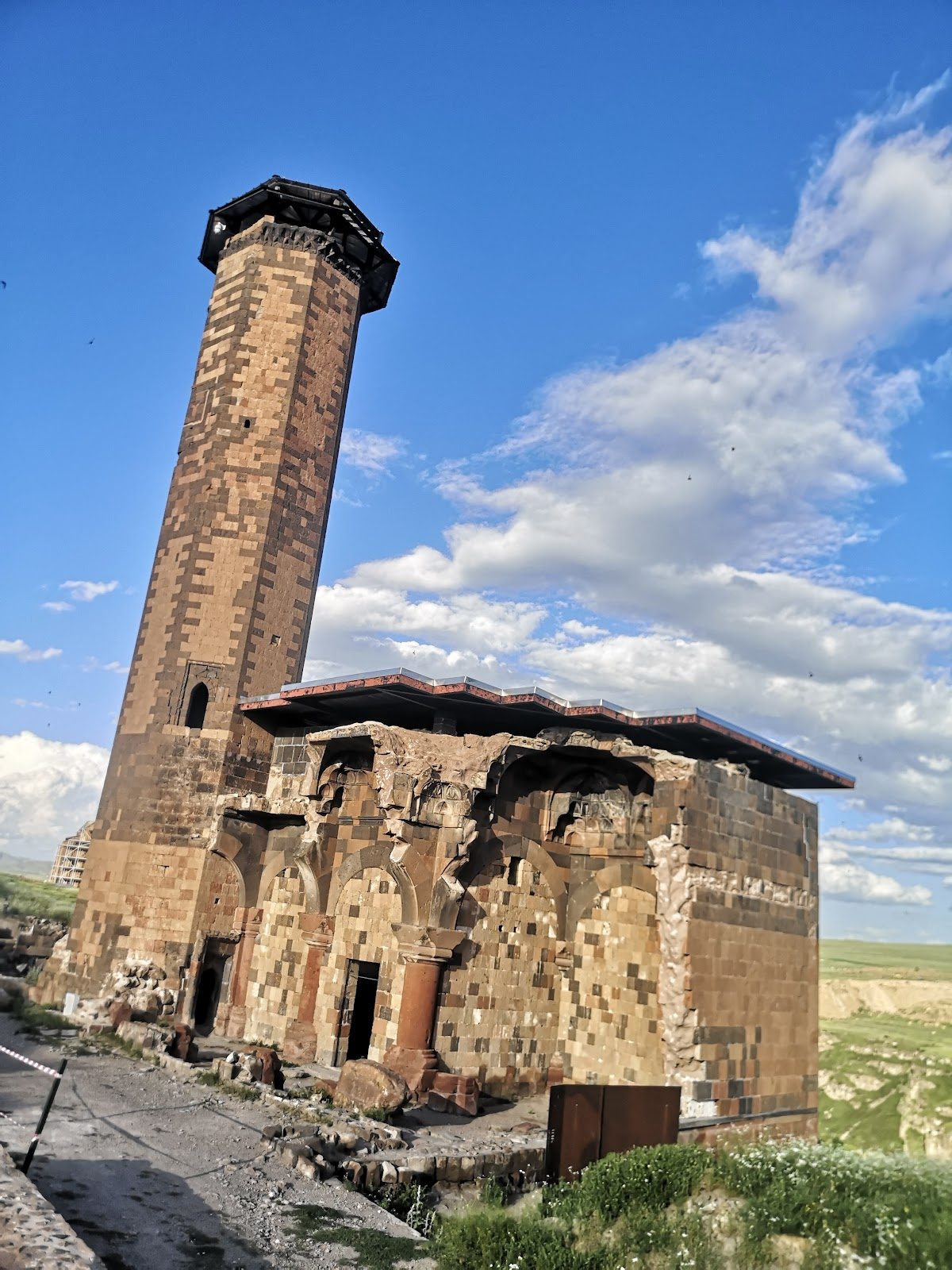
Located on a dramatic plateau about a 45‑minute drive from the center of Kars, the Ani Archaeological Site leans against the deep valley of the Arpaçay River, which forms the border with Armenia. In the Middle Ages, Ani was known as the “City of 1001 Churches” and the “City of the World.” It became the capital of the Bagratid Armenian Kingdom in the 10th century and later came under the control of various powers such as the Byzantines, Seljuks, Georgians, and Ilkhanids. This layered history is clearly reflected in the architecture, from city gates and fortification walls to churches, a mosque, and caravanserais. As you wander among the ruins today, the structure that often greets you first is the Ani Cathedral, famous for its austere exterior and richly articulated interior details. Although its high vaults have partially collapsed, the surviving arches and walls still convey the city’s former grandeur. A little further on, the Menuçehr Mosque, considered one of the earliest examples of mosque architecture in Anatolia, rises with its lone minaret, acting like a gateway to Ani’s Islamic period. The defensive towers along the city walls, the fine stonework, the rock‑cut chapels, and the surviving frescoes in churches like Surp Prkich (Holy Savior) and Saint Gregory remind visitors that this was once both a major religious and commercial center. Ani’s unique character also stems from its location. On one side lies a steep valley and an international border; on the other, an endless steppe stretching toward a wide horizon. Especially in the early morning and at sunset, this setting creates a striking atmosphere for photography. The wind whistles through the empty streets like the only remaining voice, allowing visitors to feel both the weight of history and the sense of abandonment at the same time. Now listed as a UNESCO World Heritage Site, Ani has become an open‑air museum that attracts professional history enthusiasts as well as travelers seeking a calm and contemplative journey. For those who enjoy walking across wide open spaces and watching how ruins change character with the light, Ani is an unforgettable highlight of any trip to Kars.
Visit Tips
- Before visiting the Ani Archaeological Site, check the weather, as the area is known for its variable weather and rain or snow can be a surprise.
- During your visit, wear hiking shoes; the stone paths and natural grounds of the area may include surfaces that are not suitable for comfortable walking.
- Check the entrance fee and visiting hours in advance, as there may be seasonal changes and it can get crowded during peak seasons.
- Don't forget to take plenty of photos while exploring the ancient ruins, especially at sunset when the view of Ani is truly enchanting.