
 Powered by Google
Description
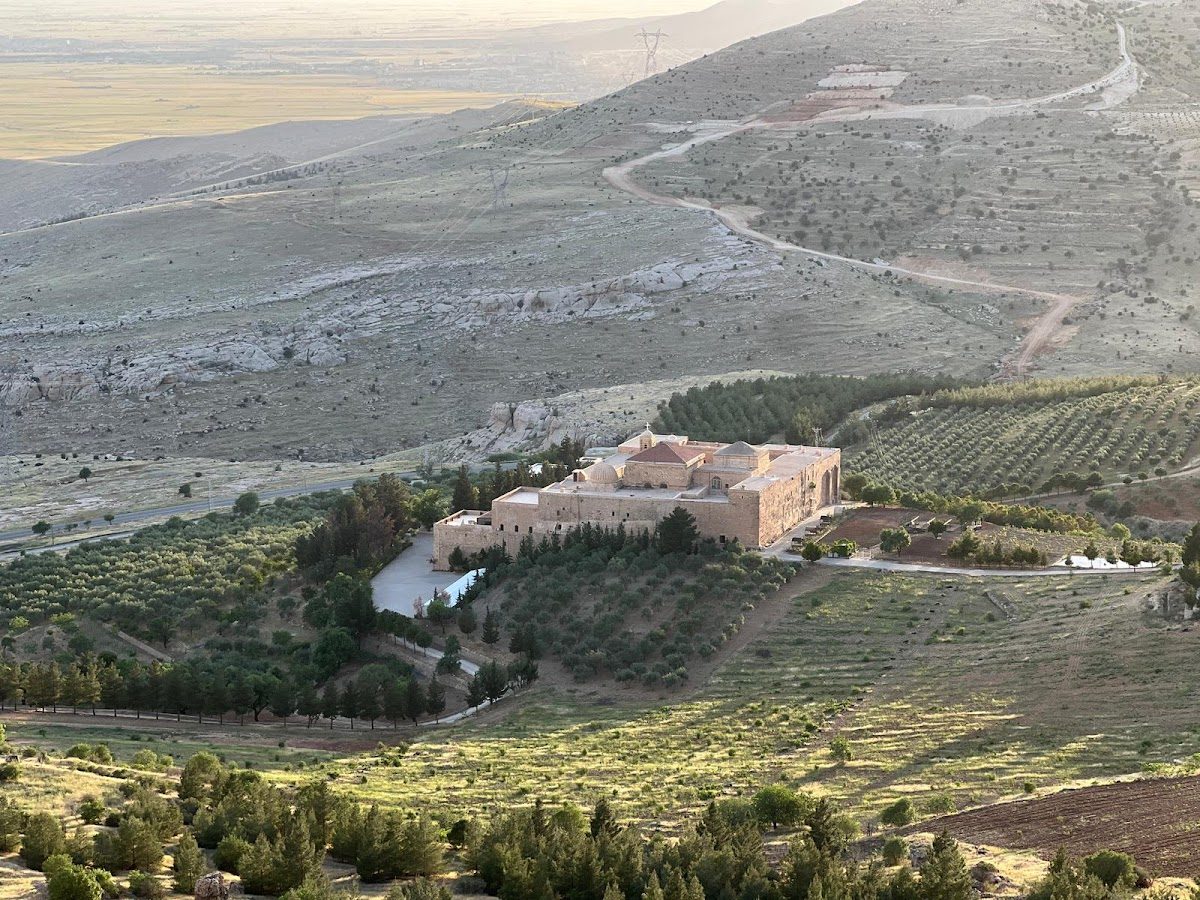
Located southeast of Mardin, Deyrulzafaran Monastery is one of the most important centers of the Syriac Orthodox Church and an architectural structure with a rich history.
Story
Deyrulzafaran Monastery, situated on a hill overlooking the Mesopotamian plain southeast of Mardin, is one of the most important centers of the Syriac Orthodox Church worldwide. While the monastery's history dates back to the 5th century AD, the current structure is built upon an older Sun Temple and subsequently a Roman fortress. This layered history is palpable in every corner of the monastery. The word 'Zafaran' (saffron) is said to derive either from the yellow-colored stone used in its construction or from the saffron plant that grows in its vicinity, and this name integrates with the monastery's warm, golden appearance. The monastery served as the seat of the Syriac Orthodox Patriarchate from 1160 to 1932, becoming the spiritual and administrative heart of the Syriac Church during this period. It also functioned as a theological school, serving as a center where invaluable works in Syriac language and culture were produced and preserved. Architecturally, it consists of three main sections: the House of Saints, known as Kümbet; the main church (Church of the Virgin Mary); and the House of Patriarchs. The Kümbet is one of the oldest parts of the monastery, containing the tombs of patriarchs and saints. The main church stands out with its simple yet impressive stone masonry. Another interesting feature of the monastery is its historical printing press, still operational with a 19th-century machine, where Syriac and Arabic books were printed. For visitors, Deyrulzafaran Monastery offers a unique cultural experience beyond just a religious and historical building. As one strolls through the monastery's courtyards, it is possible to pause and contemplate the vast view of the Mesopotamian plain, feeling the ancient spirit of the region. Guided tours help visitors to understand the monastery's rich history, architecture, and its place in Syriac culture more deeply. There is still an active community and clergy within the monastery, making it a living place of worship. The monastery promises visitors a journey imbued with tranquility and history, making it an indispensable stop in Mardin. Every stone of the structure whispers stories of thousands of years of faith, culture, and resilience. In addition to the Syriac Orthodox Church within the complex, visitors can also see old astronomy rooms and the spaces where religious education was provided.
Visit Tips
- Before going to the monastery, don't forget to check the opening hours; it is usually quieter in the early morning hours.
- During your visit, ask if there are guided tours available, as they can help you learn more about the site's history and architecture.
- It would be beneficial to wear comfortable walking shoes to explore the natural beauties around the monastery.
- During your visit, consider purchasing local souvenirs; this can be a nice option both as a memento and as a way to provide support.