
 Powered by Google
Description
Located in Nusaybin district of Mardin, Zeynel Abidin Mosque and Complex is a historical structure from the Artuqid period, housing the tombs of Zeynel Abidin and his sister Sitti Zeynep.
Story
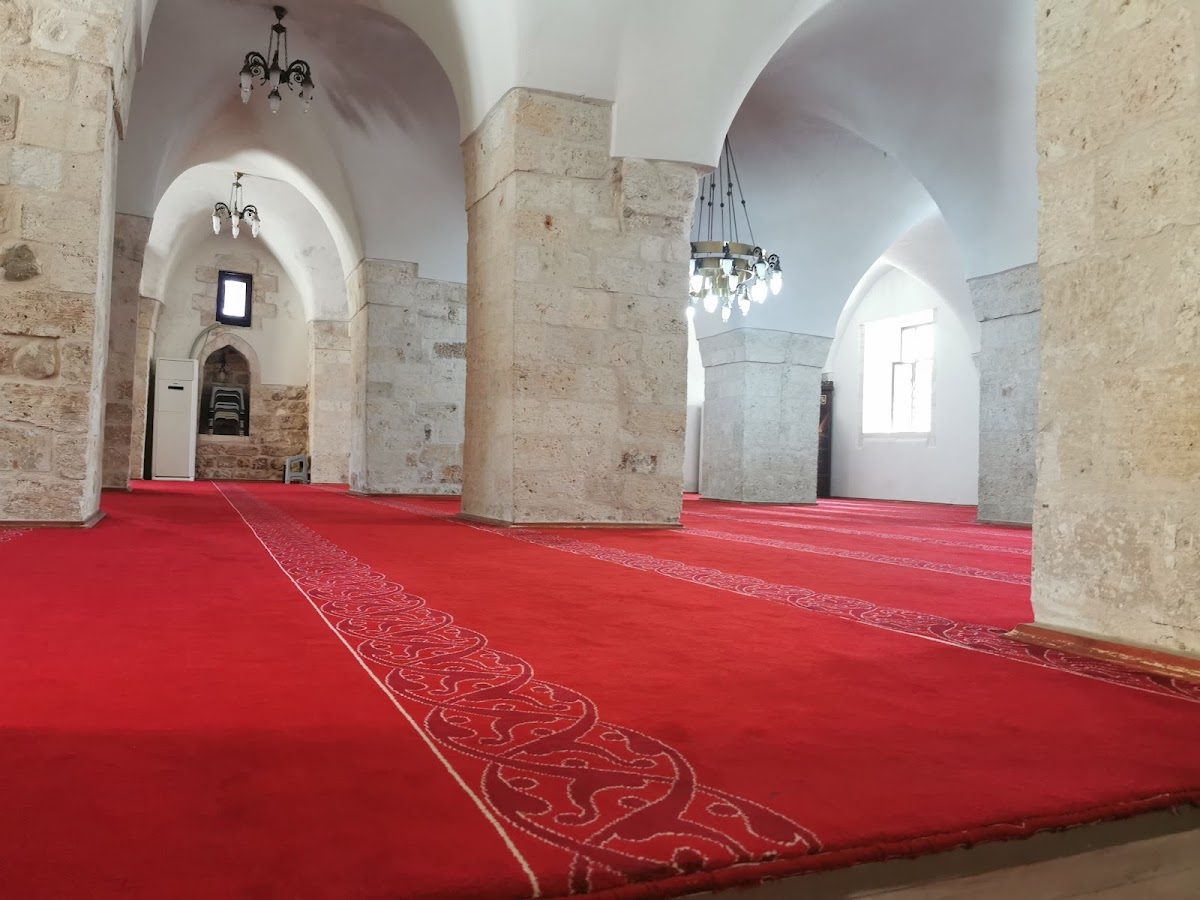
The Zeynel Abidin Mosque and Complex, located in Nusaybin district of Mardin, is an important group of structures reflecting the deep-rooted history and cultural richness of the region. This complex, bearing traces especially from the Artuqid period, consists of a mosque, madrasah, tombs, and other ancillary buildings. One of the most striking parts of the complex is the tombs said to belong to Imam Zeynel Abidin, one of the grandsons of Prophet Muhammad, after whom the complex is named, and his sister Sitti Zeynep. These tombs are an important point of faith and visitation, especially for the local people and visitors. The architecture of the mosque bears the typical characteristics of Artuqid art. Built from cut stone, the structure presents a plain yet impressive appearance. The minaret of the mosque also reflects the architectural features of its period; it stands out with its square base, tapering body, and details in the şerefe (balcony) section. Although the complex has undergone various repairs and additions over time, it has largely preserved its original character. Especially with interventions made during the Ottoman period, the structure gained its current form. Zeynel Abidin Mosque and Complex served not only as a place of worship but also as an education and social life center. Important scholars of its time taught in its madrasah, educating many students. The courtyard of the complex offers a peaceful environment to visitors. The intricacies of stone craftsmanship are clearly visible in details such as the mihrab and minbar. Visitors to the complex have the opportunity to experience both a religious atmosphere and to get closely acquainted with the architectural and cultural heritage of the Artuqid period. This historical structure, located in the heart of Nusaybin, is virtually a living museum that carries the traces of the past to the present day. Its construction in harmony with the region's general stone architecture ensures its integration with its surroundings. Visitors can find spiritual tranquility here and delve into the depths of historical texture. The complex has great potential for religious and cultural tourism and is one of the must-see places for those visiting Mardin.
Visit Tips
- It is recommended to enter the complex respectfully with appropriate attire
- Visiting outside of prayer times might offer a more peaceful experience
- Allocate sufficient time to closely examine the stone craftsmanship and architectural details
- Do not forget to visit the tombs and other structures within the complex