
 Powered by Google
Description
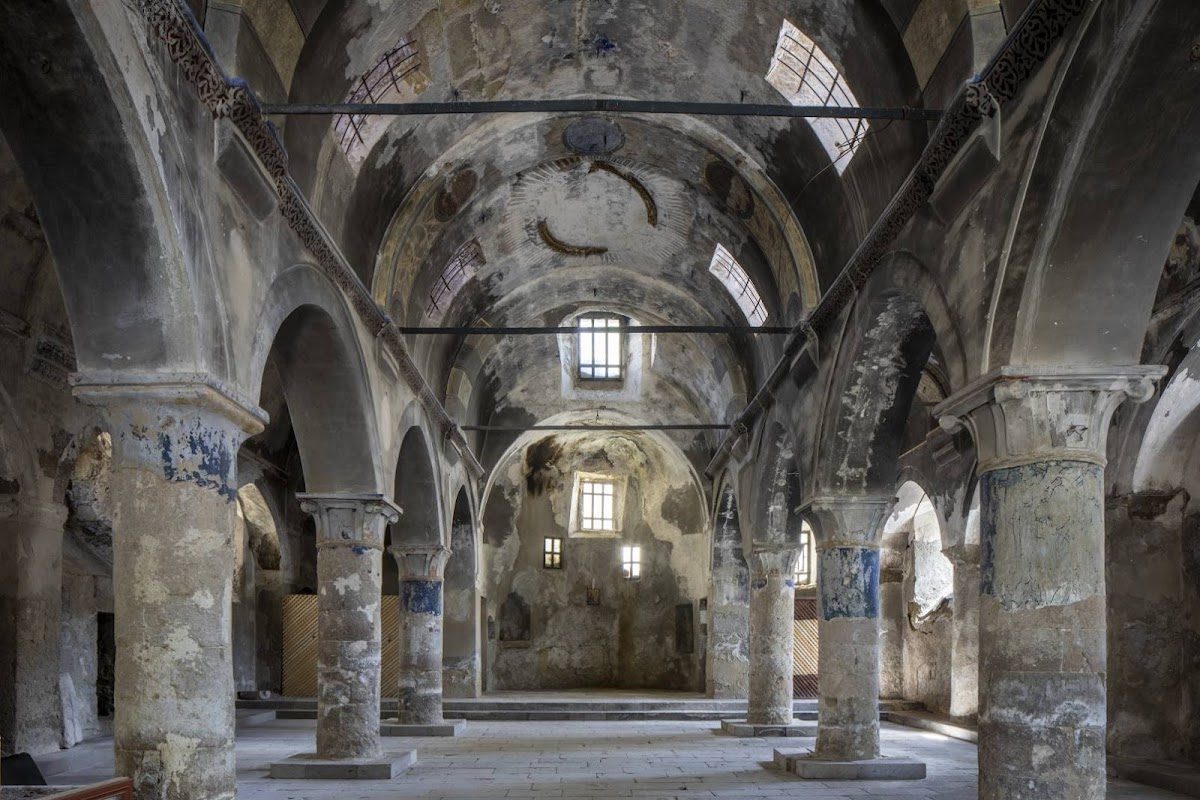
The Church of Saints Constantine and Helena, located in Mustafapaşa village of Ürgüp district in Nevşehir, is an important historical structure from the Byzantine period.
Story
Located in Mustafapaşa village (formerly Sinasos) in the fascinating Ürgüp district of Nevşehir, which captivates visitors with its historical texture, the Church of Saints Constantine and Helena is an important part of Cappadocia's rich past. This special structure bears deep traces from the Byzantine period to the present day and is named after the Roman Emperor Constantine the Great and his mother, Saint Helena. According to historical sources, it is generally accepted that the existing structure was largely built or rebuilt in 1729-1730, although it is believed to carry the traces of an older Christian building at its foundation. The church served as a central place of worship, especially for the wealthy Greek Orthodox community of Sinasos in the 18th and 19th centuries. The prosperity of the period was reflected in the architecture and interior decorations of the church, resulting in a more elaborate and meticulous structure compared to many other rock-hewn churches in the region. When its architecture is examined, it is generally seen to have a three-nave basilica plan. Built of cut stone, the church exhibits examples of advanced stone masonry of its time. The frescoes and iconostasis within the interior, despite the deteriorating effects of time, still reflect the artistic and spiritual atmosphere of the past. However, many are now damaged or awaiting restoration. While adhering to the general architectural language of the Cappadocia region, the church's unique cultural and economic structure of Mustafapaşa makes it unique. After the Greek population in the village emigrated with the 1924 Turkey-Greece Population Exchange, the church remained idle for many years, but has recently begun to attract attention again with ongoing restoration efforts. Visiting the Church of Saints Constantine and Helena today is not just about seeing a historical building, but also about embarking on a journey into Cappadocia's multicultural past. Mustafapaşa village, where the church is located, is a major attraction in itself with its restored old Greek houses, narrow streets, and authentic atmosphere. Visitors can witness the silent testimony of history echoing within the church's walls, while also experiencing the peaceful rhythm of village life. This church is a powerful symbol that reminds us of the region's importance in Christian history and that it is one of the rare geographies where different faiths and cultures have lived together in peace for centuries. The Church of Saints Constantine and Helena offers an unexaggerated and realistic testimony, carrying the wisdom of the past into the present. Here, visitors embark on a cultural discovery journey into the depths of Cappadocia, listening to the story of stone and time.
Visit Tips
- Easily accessible on foot within Mustafapaşa village, ideal for exploring the village's texture
- Early mornings or sunset can be preferred for the best photographs, as the light is softer
- Comfortable shoes are recommended for visiting the church and the surrounding historic houses
- Crowds may increase in summer, spring or autumn can be considered for a quieter visit.