
 Powered by Google
Description
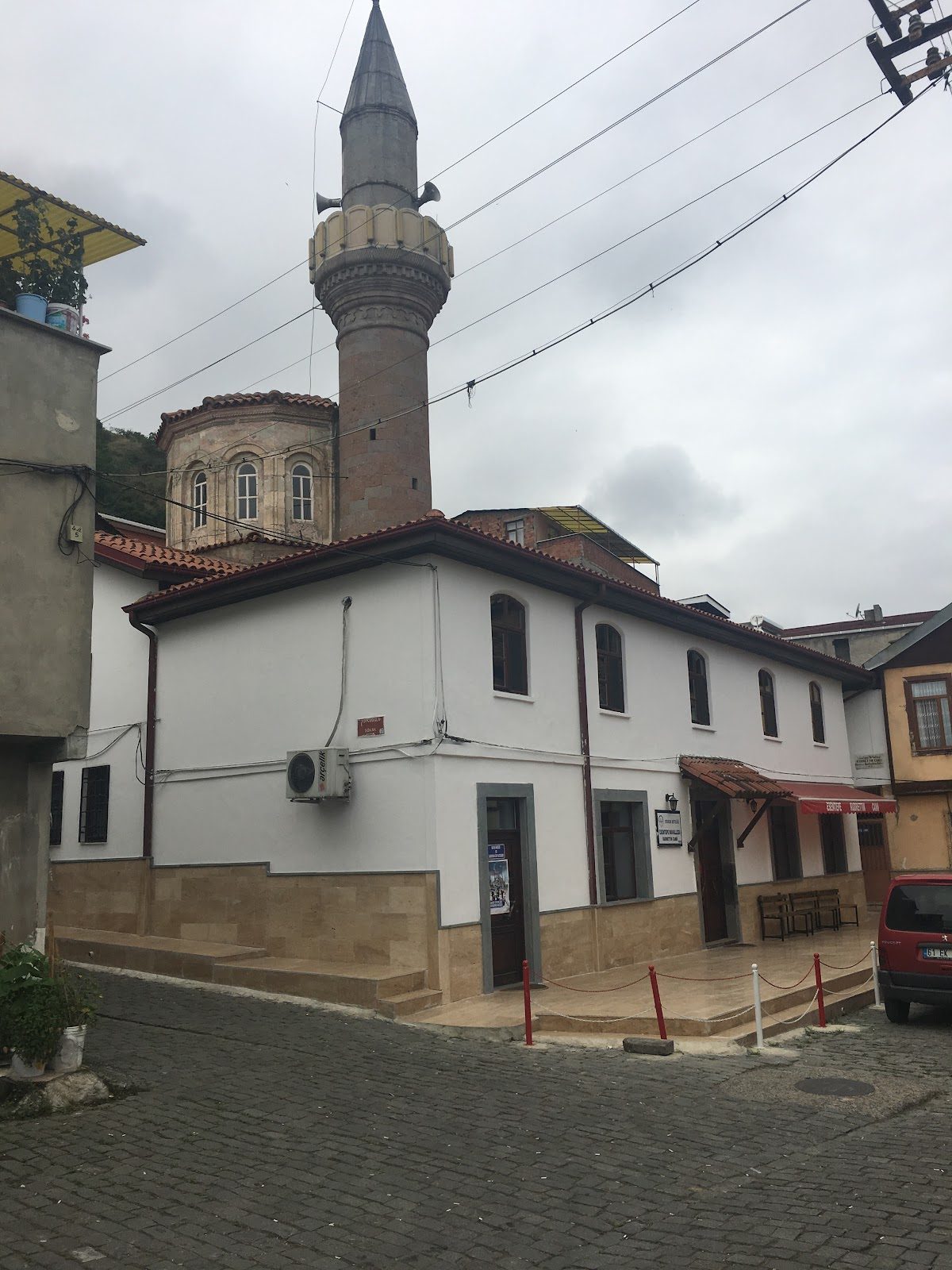
Kudrettin Mosque in Ortahisar, Trabzon, is a modest place of worship created by converting the Byzantine-era St. Andrew Church, notable for its layered historical character.
Story
Tucked among narrow streets and stone houses in Ortahisar, the historic core of Trabzon, Kudrettin Mosque (St. Andrew Church) is a small structure that encapsulates the city’s multilayered past on an intimate scale. Today it may look like an ordinary neighborhood mosque from the outside, yet within its walls lies a story stretching from Byzantium to the Ottoman era and into the Turkish Republic. The building’s origins go back to the centuries when Trabzon gained importance as a Byzantine port city. It was initially constructed as a modest church dedicated to St. Andrew and served as a local place of worship and gathering for the Christian community of the area. Although it never had the monumentality of a grand basilica, its stone masonry, proportionate small windows, and interior layout reflect the religious–civil architecture of its time. Later additions, reinforcement walls, repair traces and patches of different materials reveal how people coped with frequent earthquakes and tough climatic conditions. After Trabzon came under Ottoman rule in 1461, many churches in the city gradually adapted to new needs. While major cathedrals were converted into mosques early on, smaller neighborhood churches like this one were transformed later. Probably in the 16th or 17th century, the building gained a mihrab and minbar and was given a mosque function, gradually becoming known as “Kudrettin Mosque.” The minaret does not fully represent the classical Ottoman style, yet its slender shaft and modest balcony add a vertical accent to the former church mass. Inside, you encounter the calm atmosphere of a typical Anatolian neighborhood mosque. Whitewashed walls, a simple ceiling decoration, and delicate painted ornament around the mihrab give the space a warm character. Some remaining stone details from the former church, the shape of the window openings, and the thickness of the walls can still be noticed by a careful observer. Thus, the aesthetics of a post-Ottoman Anatolian mosque and the traces of Byzantine stone craftsmanship coexist in a single interior. Visiting Kudrettin Mosque means more than simply seeing a place of worship; it offers a chance to witness Trabzon’s religious and cultural transformations. Considered together with nearby historic mosques, other buildings that have shifted from church to mosque, and the Ortahisar walls, this small mosque becomes a meaningful stop in the city’s memory. Especially in the early morning or late afternoon, the soft interior light and quietness make it a good spot both for photography and for temporarily escaping the urban noise. During your visit, the call to prayer blending with the daily life of local residents and the sound of children playing in the street remind you that this ancient building continues to breathe within a living neighborhood fabric.
Visit Tips
- It is advisable to check the visiting hours before visiting Kudrettin Mosque; there may be times when the mosque is closed to visitors due to prayer times.
- Consider having a guide with you to learn about the history of the mosque, so you can better understand the past of the structure.
- You can seize the opportunity to explore Trabzon's local culture and architecture by walking through the streets surrounding the mosque.
- If you would like to take photos during your visit, I recommend being careful and showing respect for the worship of other visitors.