
 Powered by Google
Description
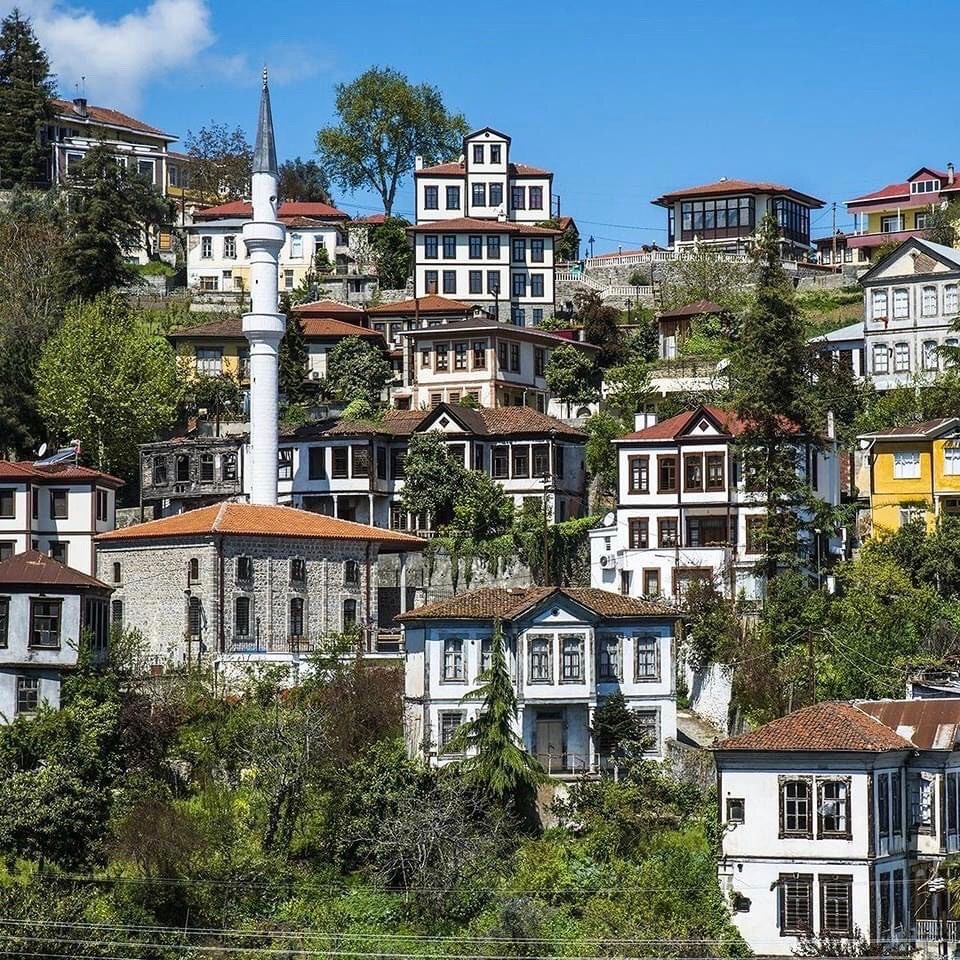
Ortahisar Historic Houses and Neighborhood Texture is an authentic district where narrow streets, stone mansions and layered cultural life reflect centuries of urban history in Trabzon.
Story
Ortahisar Historic Houses and Neighborhood Texture is a living open-air archive in the heart of Trabzon, telling the city’s long story street by street. Stretching from the slopes of Boztepe down towards the sea, this settlement displays its multilayered history – from Romans and Byzantines to the Empire of Trebizond, the Ottomans and Modern Turkey – through rows of stone houses and timber bay windows. Today, thanks especially to preservation decisions taken during the Republican era and afterwards, Ortahisar has become a model area where modern urban life and historic fabric exist side by side. As you walk through the neighborhood, closely built, narrow-fronted houses, most of them three stories high, immediately draw your attention. The ground floors are usually built with thick stone walls and small windows, while the upper levels use a timber frame system with projecting bay rooms. This arrangement is the product of an intelligent architectural experience adapted to the harsh winds and heavy rains of the Black Sea. The gently sloping streets direct rainwater quickly towards the sea, reflecting practical planning suited to Trabzon’s climate. The daily life of the residents also shapes the soul of Ortahisar. Early in the morning, the smell of corn bread from local bakeries, children’s voices echoing in backstreets, and the short chats of elderly neighbors on corners create a warm sense of community that is rare in modern cities dominated by apartment blocks. Many houses look modest from the outside, yet surprise visitors with high-ceilinged rooms, wooden ceiling decorations and windows overlooking the sea or the castle. In recent years, local authorities and civic initiatives have put considerable effort into restoring historic houses and preserving the street pattern. Some buildings have been converted into boutique hotels, cafés or cultural venues, allowing them to be both protected and integrated into everyday life. This approach aims not to freeze Ortahisar as a museum, but to maintain it as a living historical area. For visitors, exploring Ortahisar is more than taking photographs. As you climb the stone steps, breathe in the humid air from the sea, and suddenly come across an old fountain or a worn door knocker at a street corner, you enter a silent dialogue with the memory of Trabzon. Among the rapidly changing cities of Modern Turkey, Ortahisar survives as a delicate bridge between past and present.
Visit Tips
- When exploring Ortahisar, don't forget to wear comfortable shoes; the narrow streets and slopes can make walking difficult.
- Enjoy the flavors of Trabzon cuisine at local restaurants in the area, especially the corn bread and kuymak, which are worth trying.
- Coming early in the morning to photograph the architecture of historical houses allows you to avoid the crowds and provides beautiful lighting conditions.
- Take the time to chat with the locals; their stories and suggestions will enrich your experience in Ortahisar even more.