
 Powered by Google
Description
The Trabzon section of the Silk Road, winding through the mountains of Maçka, was for centuries a strategic caravan route linking Black Sea ports with the Anatolian interior.
Story
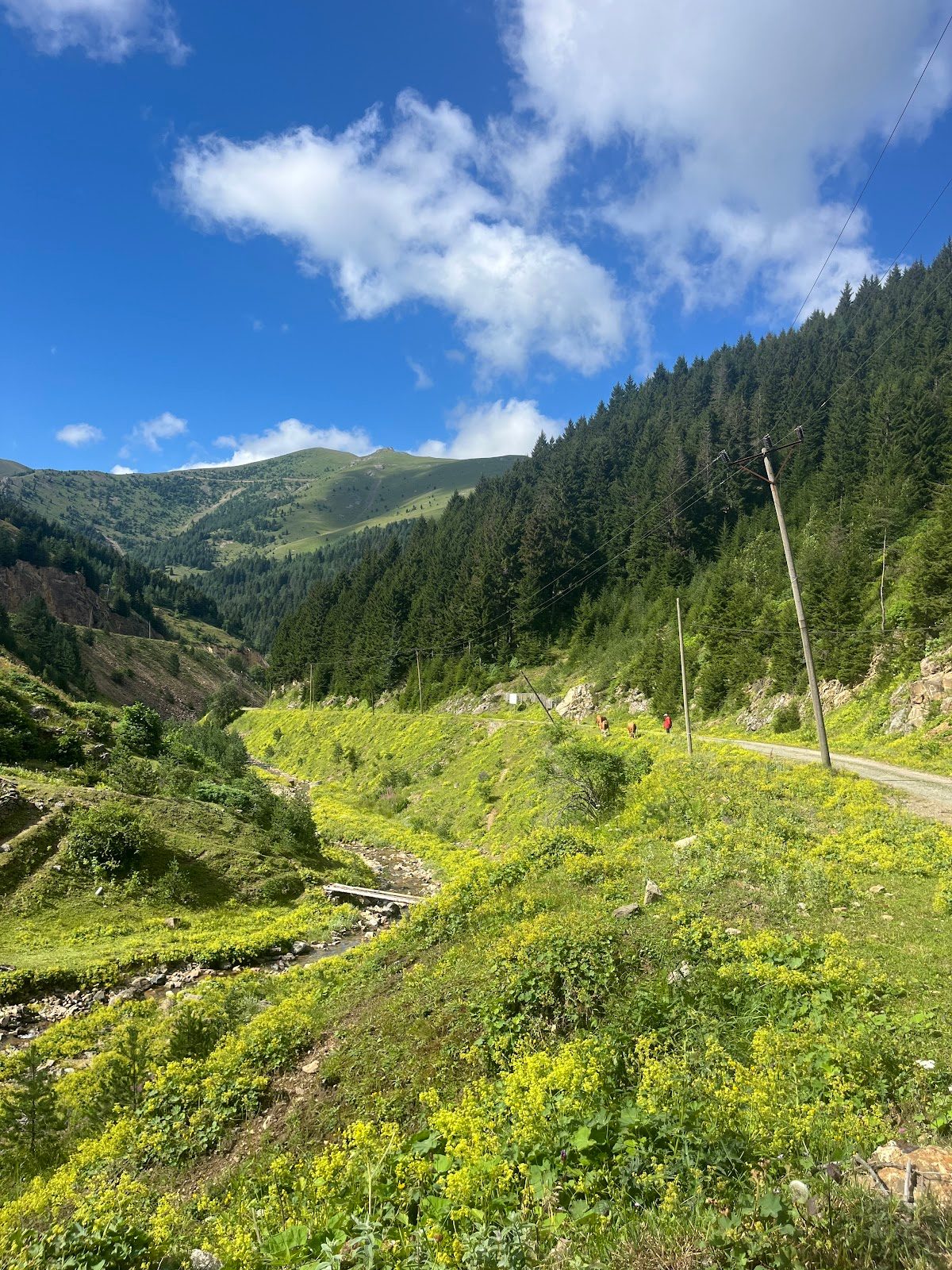
The mountain roads that climb eastward from Trabzon’s Maçka district may look like ordinary village tracks today, yet for centuries they formed one of the busiest arteries of a global trade network. The Trabzon section of the historic Trabzon–Erzurum caravan route of the Silk Road linked the Black Sea port of Trabzon with Iran and Central Asia via Erzurum, serving as a vital commercial corridor. Bales of silk, sacks of spices, fine textiles and metal goods arriving at the harbor were loaded onto horse and mule caravans and carried through these rugged valleys into the Anatolian interior. The valleys around Maçka, with their dense forests, steep slopes and mist-covered passes, offered a landscape that was both challenging and naturally protected. Used since the Byzantine period, the route gradually became lined with caravanserais, bridges and small rest stations. On some of the stone bridges that survive today, you can still see traces of medieval masonry. Many sections of the original road have disappeared under soil, and others lie beneath modern asphalt, yet the old path re-emerges here and there along the valley, like a silent witness to history. This road was not only a trade corridor but also a conduit of cultural exchange. A merchant departing from Trabzon would meet caravans along the way where Persian, Greek, Armenian and many other languages were spoken, sharing meals in inns with travel companions of different faiths. Even the mountain villages of Maçka thus became waypoints where news, stories and ideas from distant regions of the world were exchanged. For today’s visitor who wishes to follow the Trabzon section of the Silk Road, the experience is both a nature hike and a journey into the past. Walking along forest paths accompanied by the sound of streams and birds, it is easy to imagine the prints of horseshoes on the ground. When the mist descends, you can almost see the lantern lights of caravans winding along these narrow bends. In some villages, elderly residents keep the memory of the route alive with tales of what they still call the "caravan road". In Maçka, this historic route comes together with stops such as the Sumela Monastery, old stone bridges and mountain villages to form a coherent cultural landscape for the visitor. The road itself does not represent a single structure, but a memory and a history in motion. With each step you take, you are not merely following a path; you are tracing the hopes, risks and encounters carried along it by merchants, travelers and envoys over many centuries.
Visit Tips
- While walking along the Silk Road, don't forget to take photos of the region's historical stone structures and natural beauties.
- Taking a break to taste local flavors in regional restaurants enriches your palate and helps you better understand the culture of the area.
- Joining local tour companies that organize guided tours along walking routes will help you gain historical and geographical knowledge.
- By purchasing local products at the village markets along the way, you can both support the regional economy and acquire unique souvenirs.