
Things to Do in Muğla (122)
Muğla ranks among Turkey's richest destinations for cultural heritage. On Kitabe you will find 122 places to visit in Muğla — museums, historic buildings, natural sites and archaeological landmarks in one guide.
122 placesMuğla Travel Guide ↓
Districts
Categories

Bodrum Underwater Archaeology Museum
Bodrum
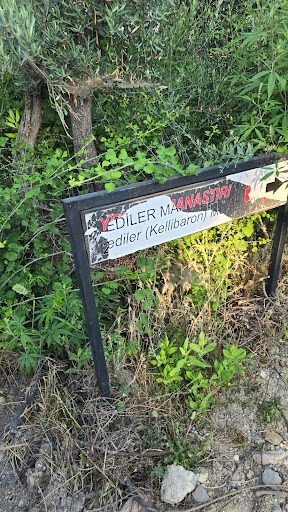
Yediler Monastery
Milas

Tlos Ancient City
Seydikemer

Oludeniz Nature Park
Fethiye

Akyaka Azmak Creek
Ula
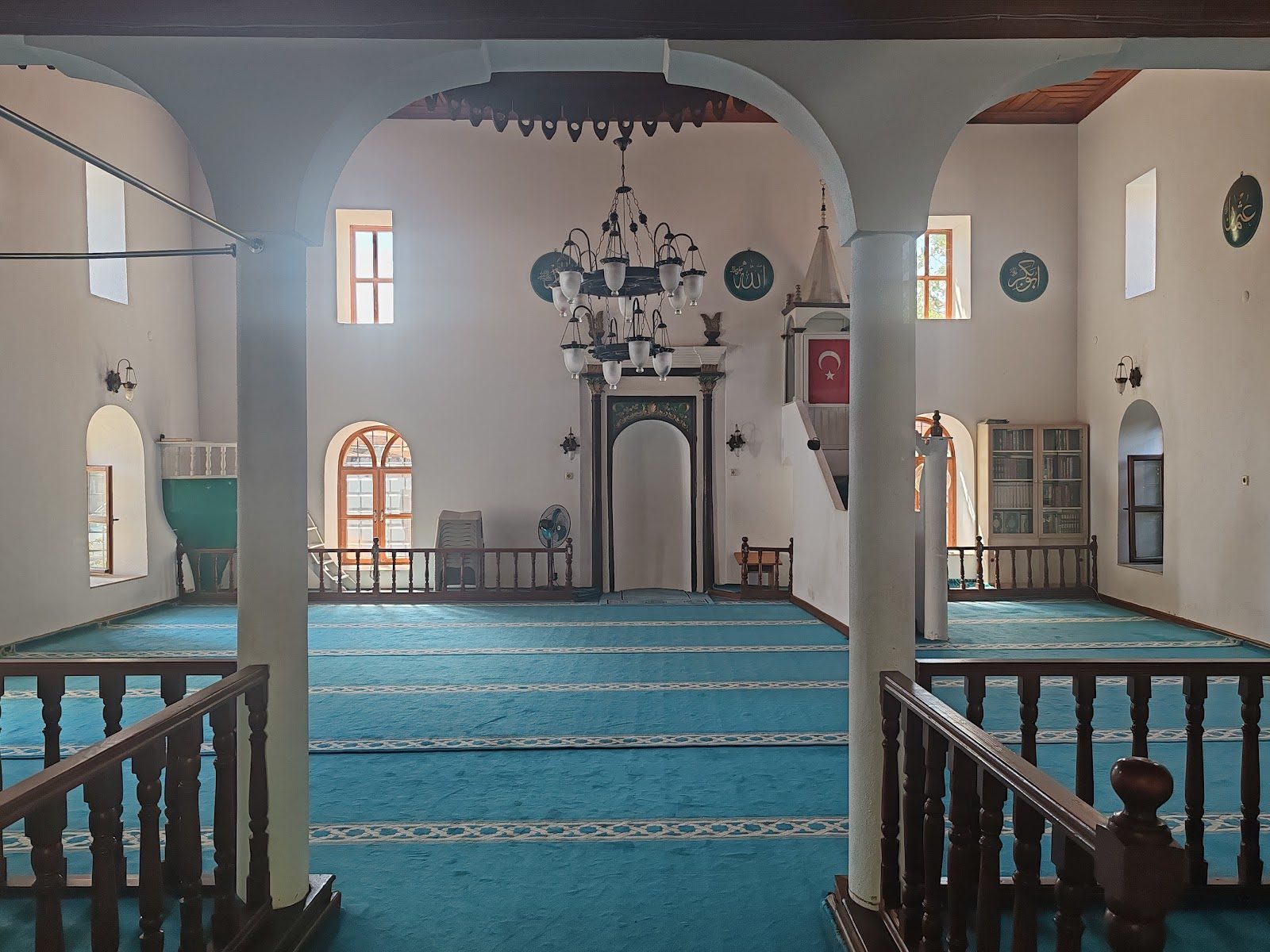
Pazar Mosque
Menteşe
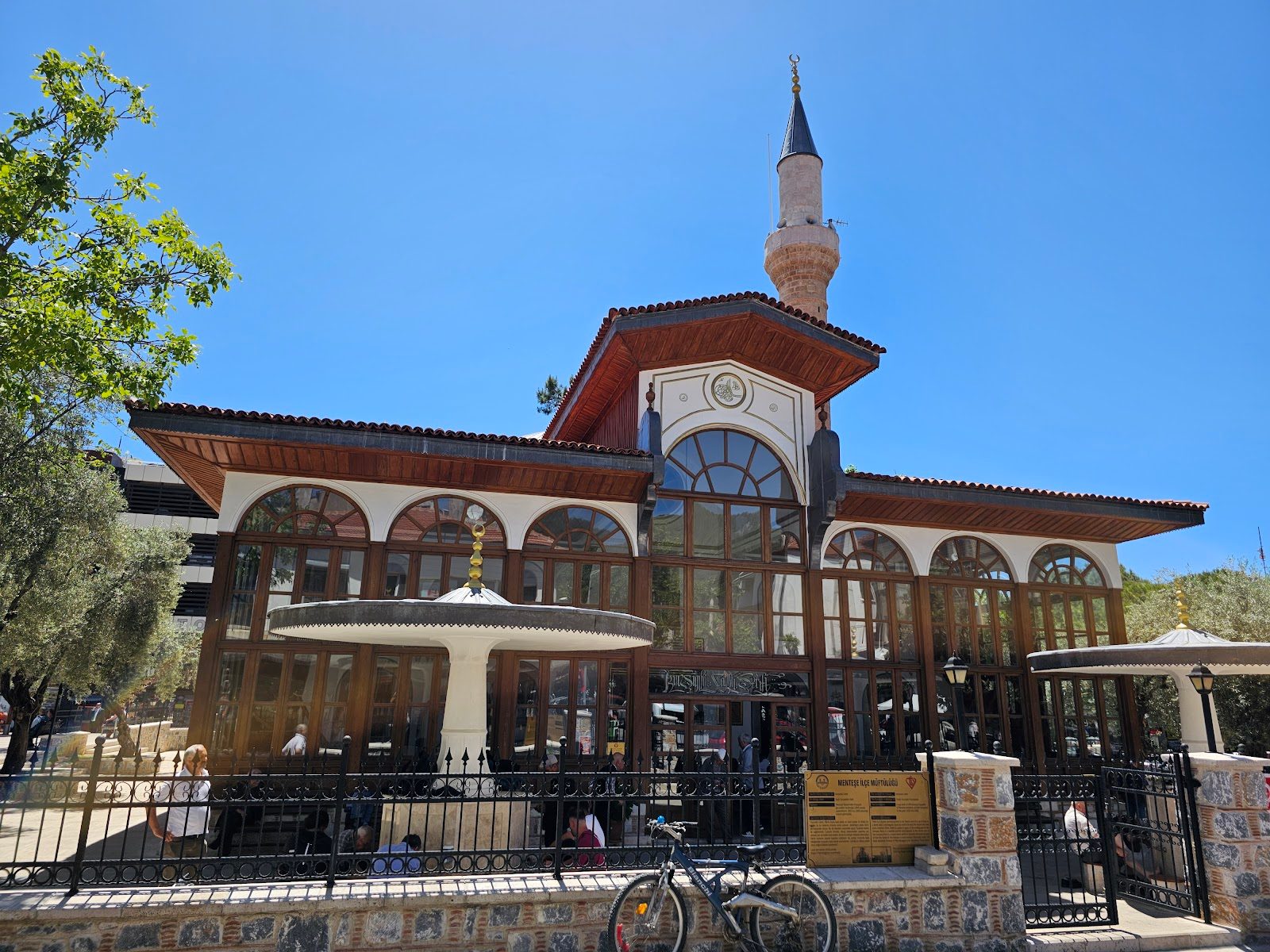
Sheikh Muslihittin Mosque
Merkez

Pinara Ancient City
Seydikemer

Dalyan İztuzu Beach
Ortaca

Halikarnas Mausoleum Open Air Museum
Bodrum
Geyik Canyon
Ula

Bodrum Castle
Bodrum
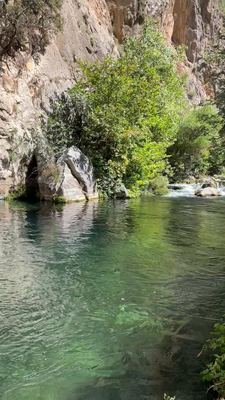
Ören Canyon
Seydikemer

Sedir Island (Cleopatra Beach)
Ula
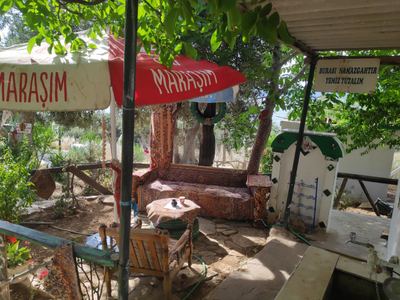
Ilyas Dede Tomb
Milas
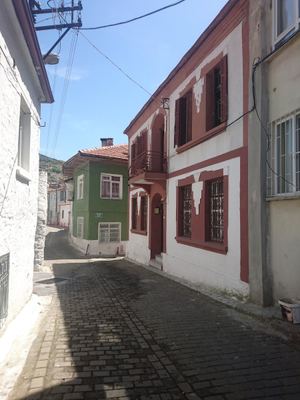
Saburhane Houses
Menteşe
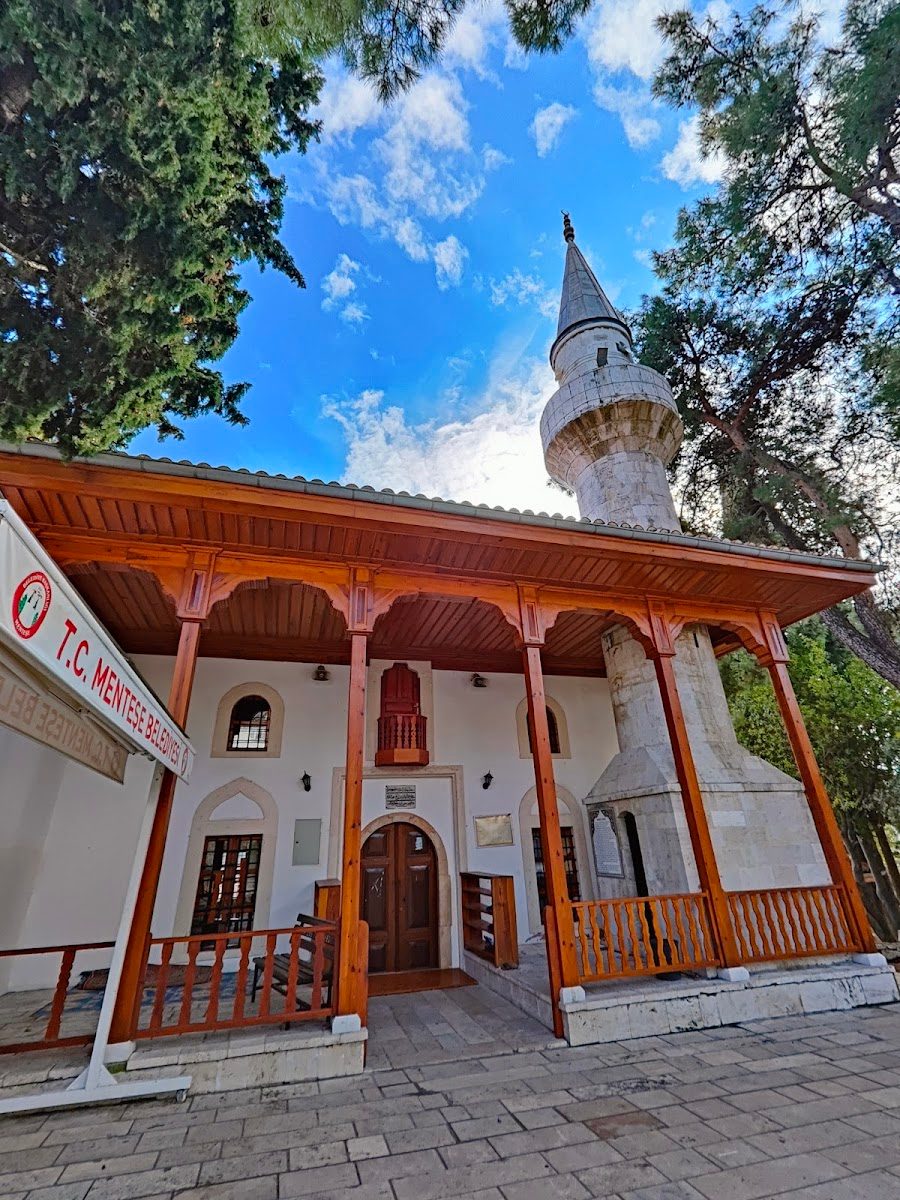
Şahidi Mosque
Merkez
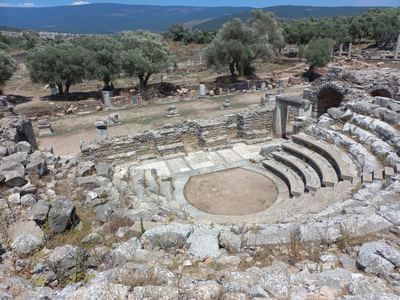
Iasos Ancient City
Milas

Marmaris Castle and Archaeology Museum
Marmaris

Fethiye Museum
Fethiye
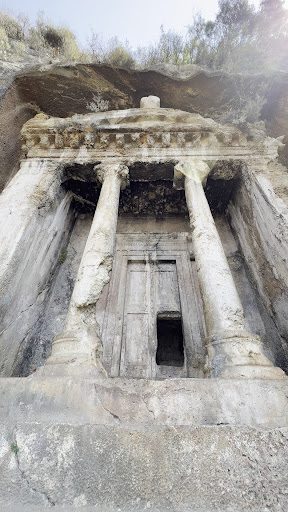
Amintas Rock Tombs
Fethiye
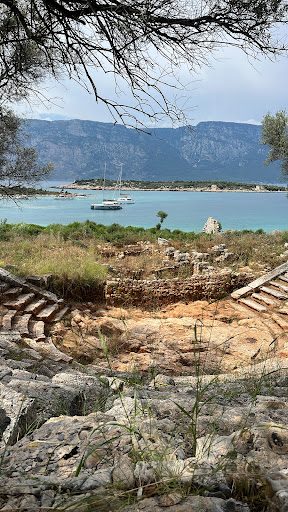
Kedrai Ancient City
Marmaris

Letoon Ancient City
Seydikemer

Kaunos Ancient City
Ortaca

Telmessos Rock Tombs
Fethiye
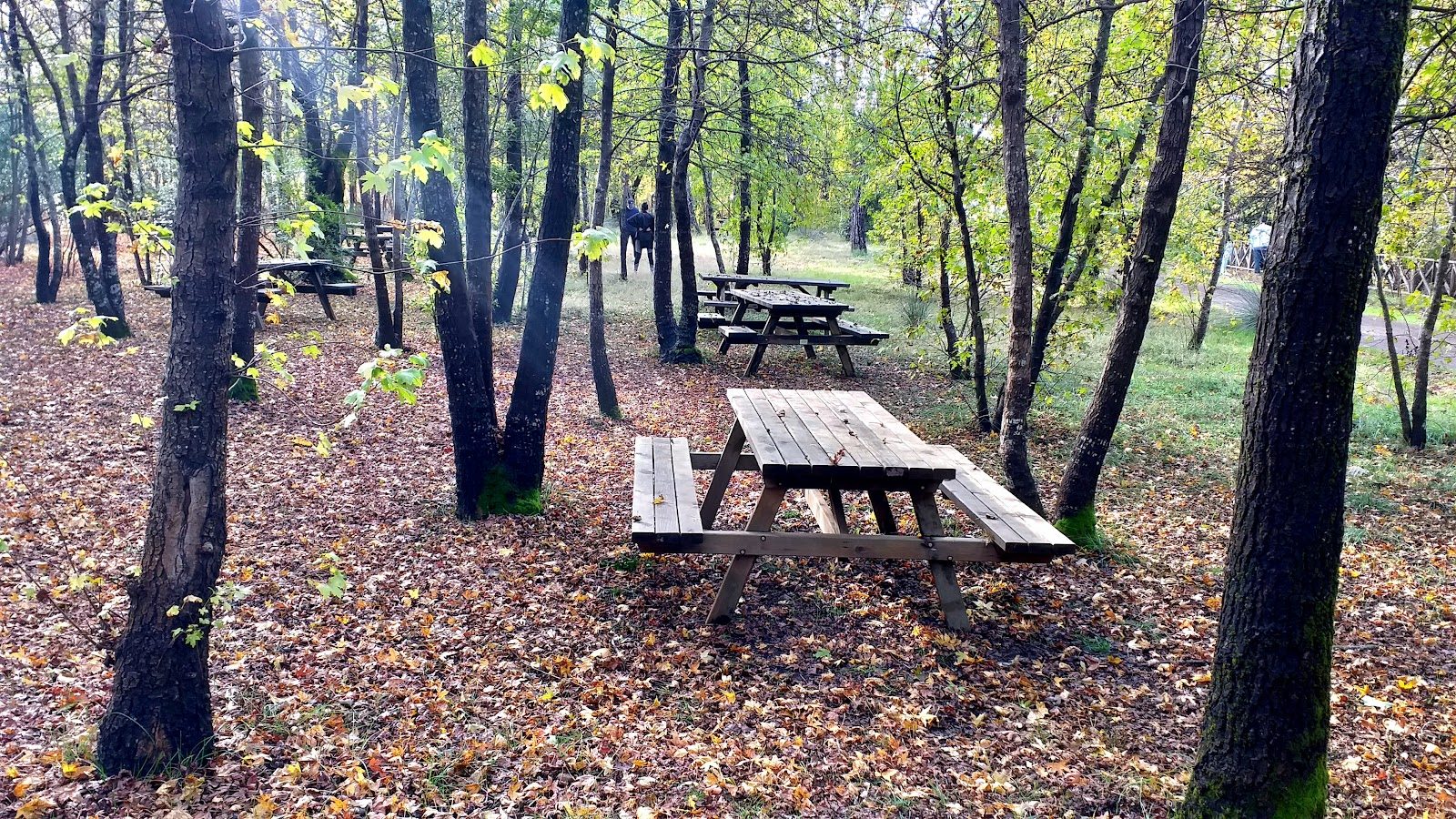
Günnücek (Marmaris National Park)
Marmaris
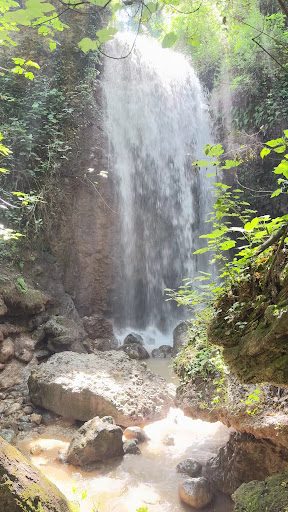
Gizlikent Waterfall
Seydikemer

Butterflies Valley
Fethiye
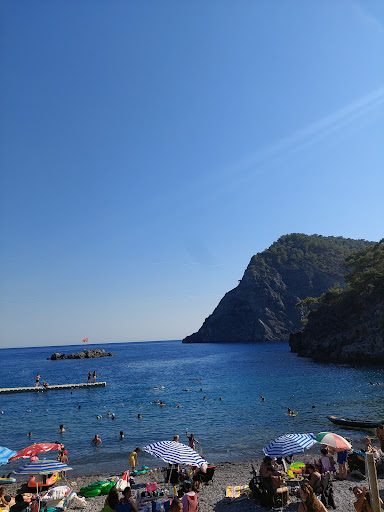
Aşı Bay
Ortaca
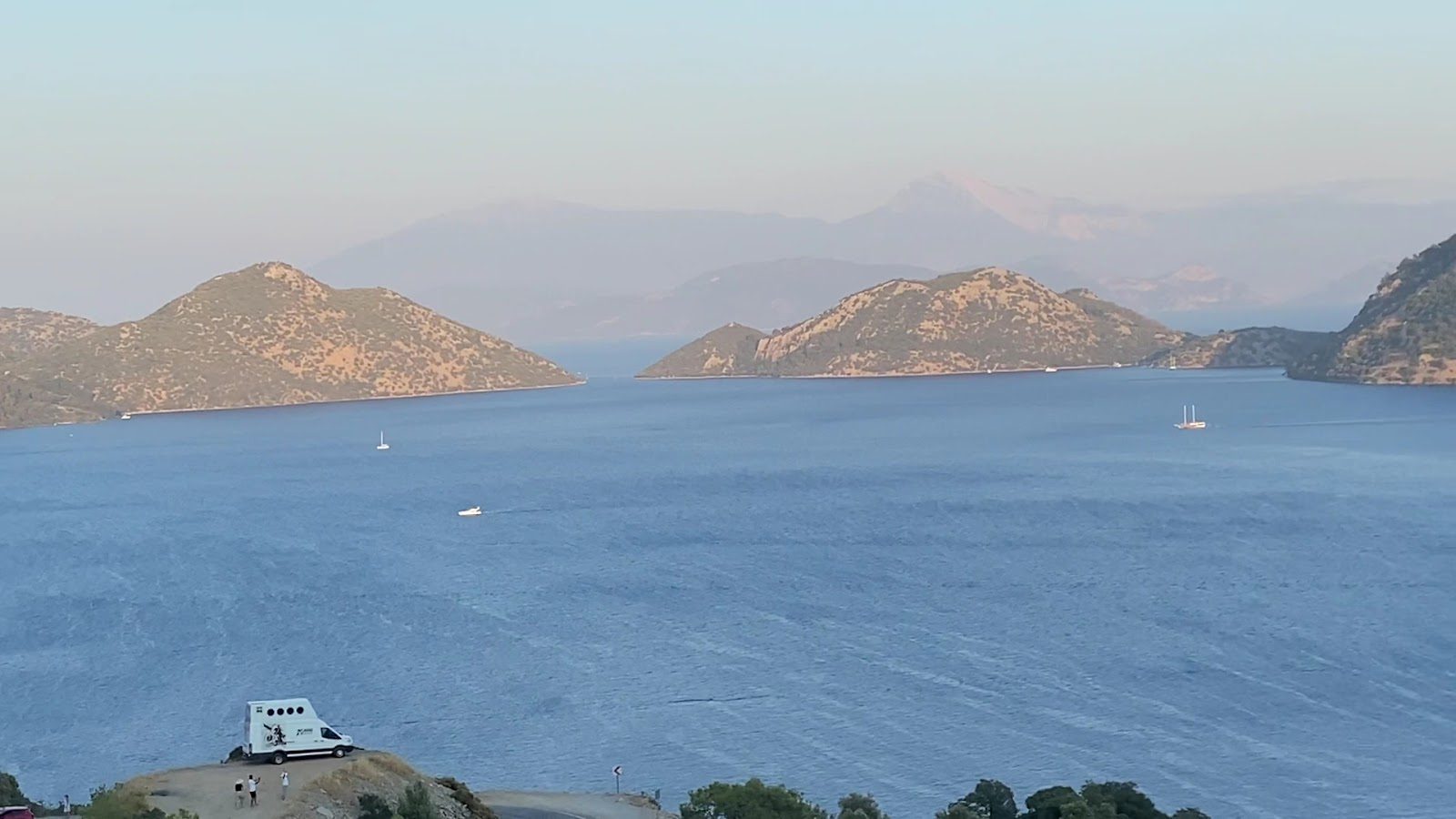
Kille Beach
Dalaman
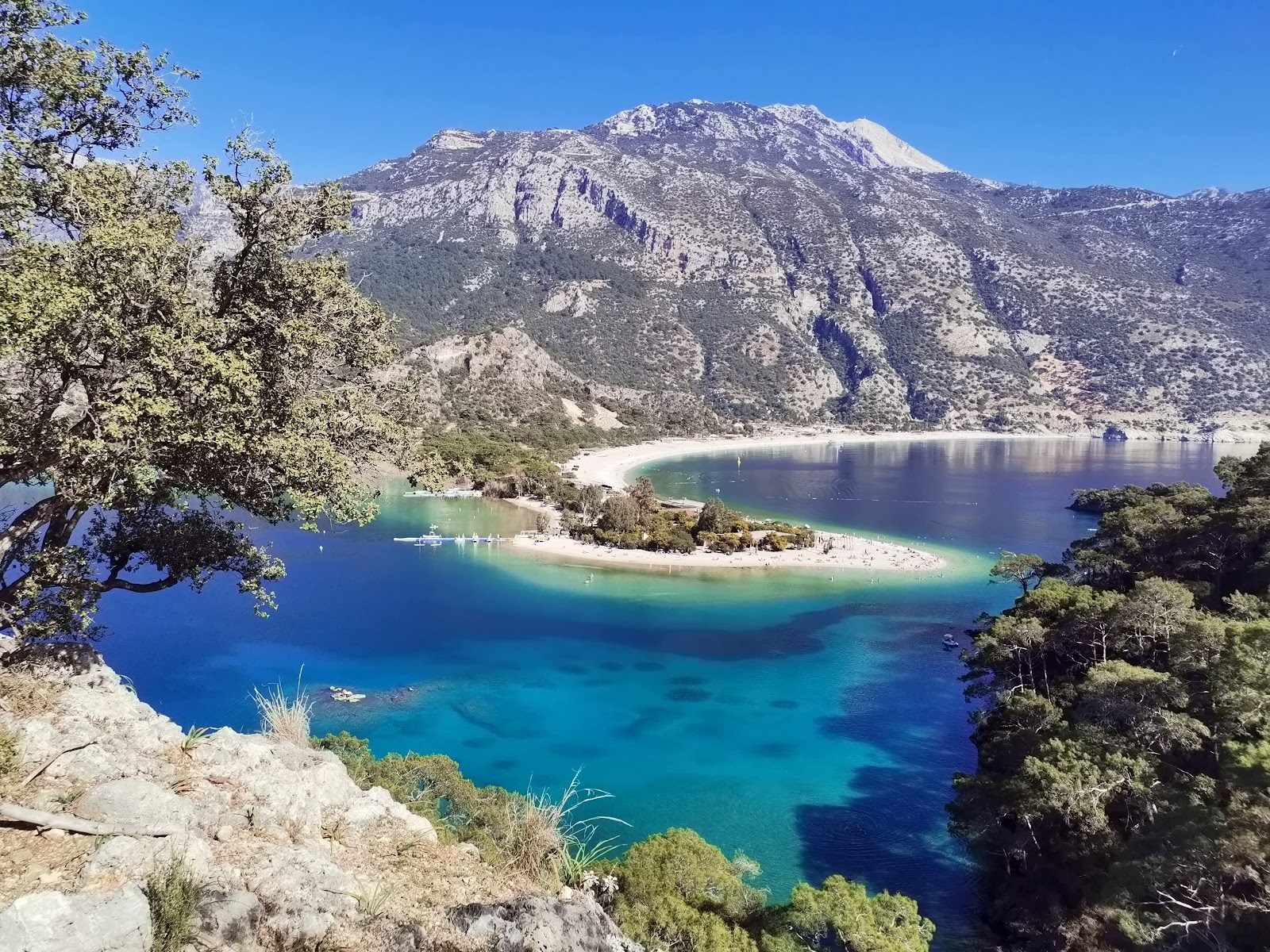
Blue Lagoon
Fethiye
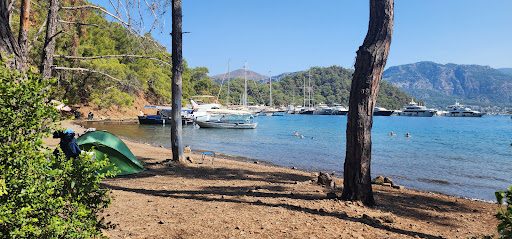
Ayten Cove
Fethiye
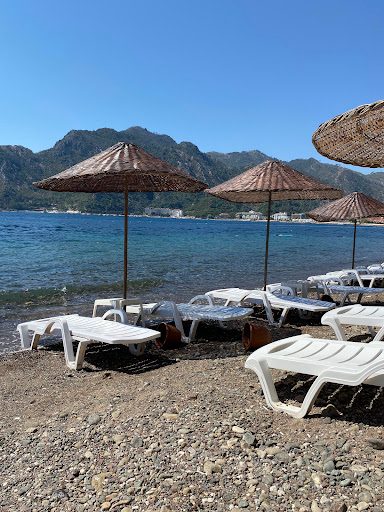
İçmeler Public Beach
Marmaris
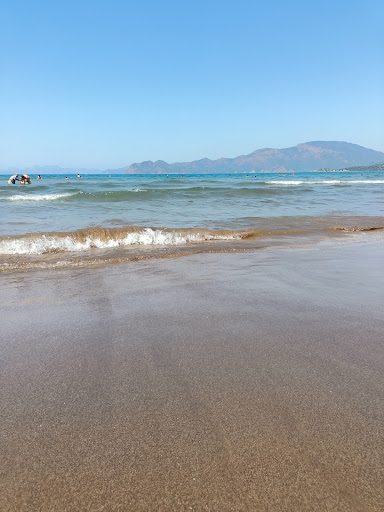
İztuzu Beach
Ortaca
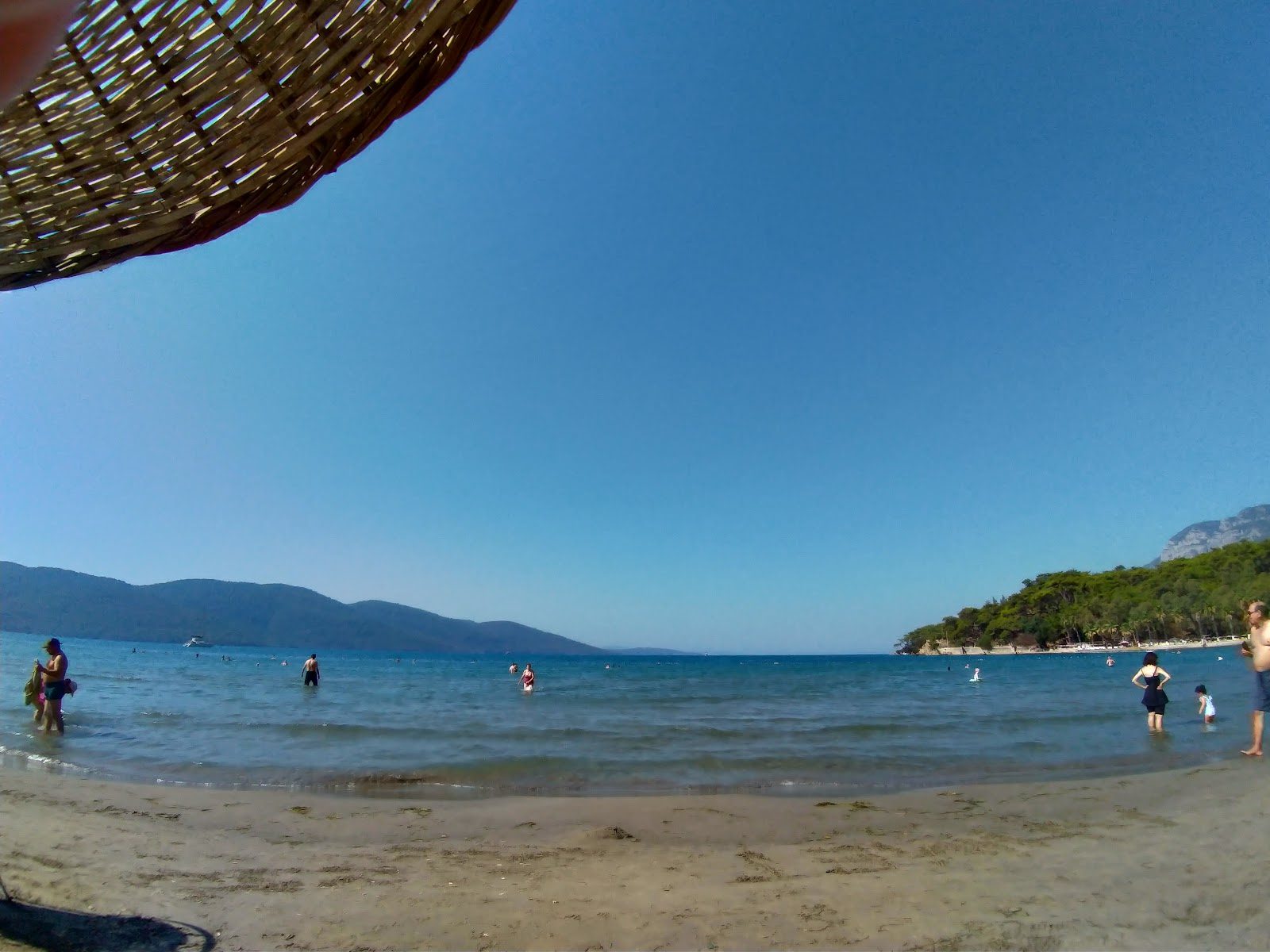
Akyaka Beach
Ula
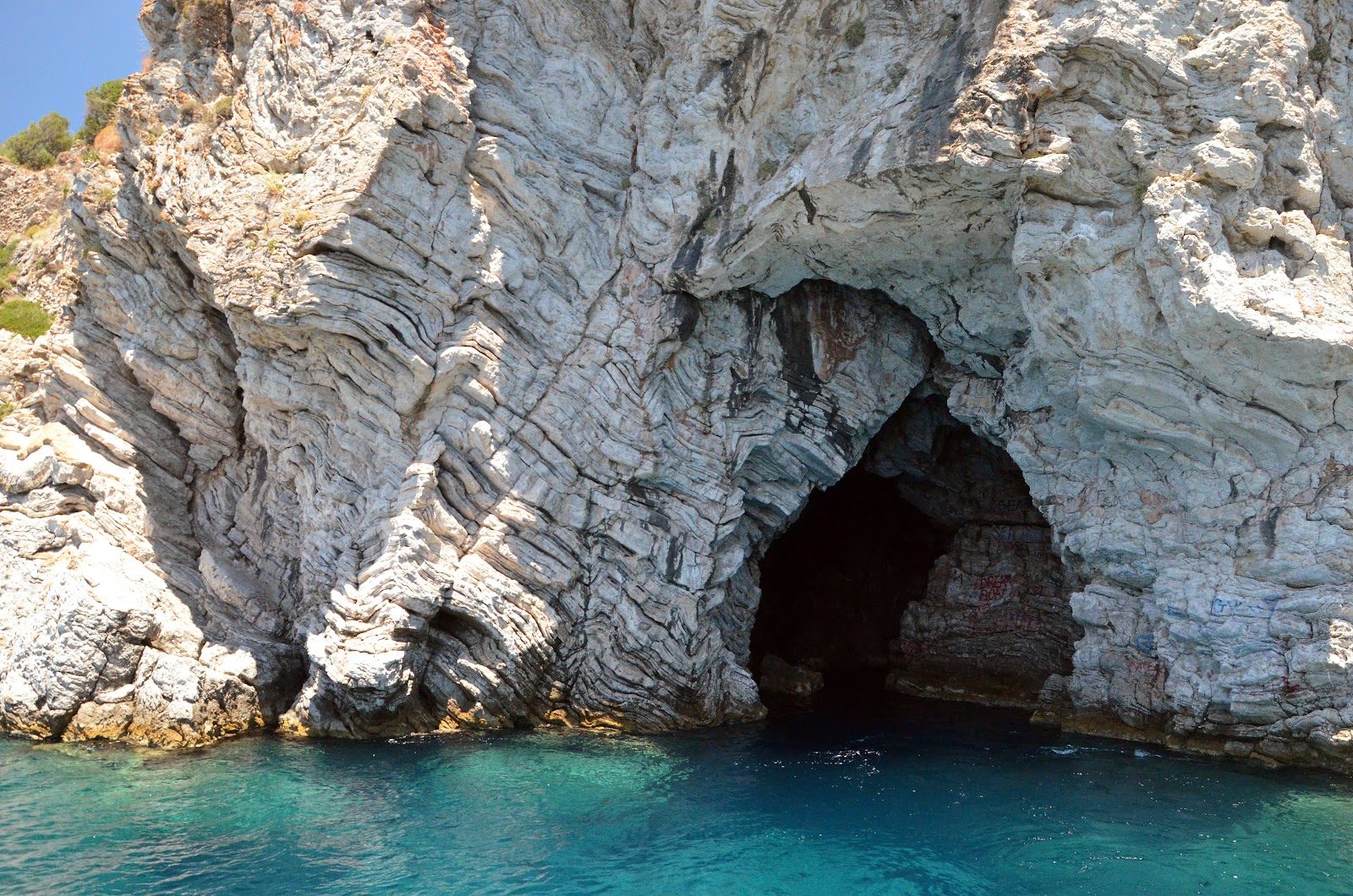
Phosphorus Cave
Marmaris
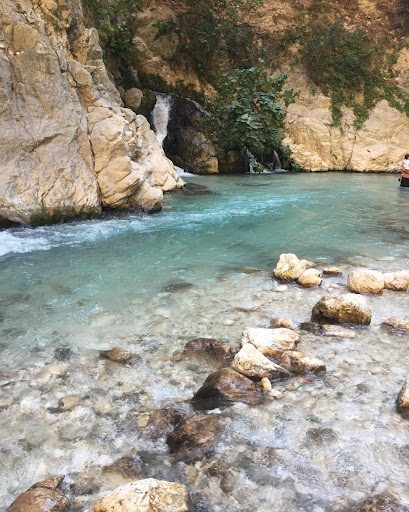
Saklıkent Canyon Gorge
Seydikemer
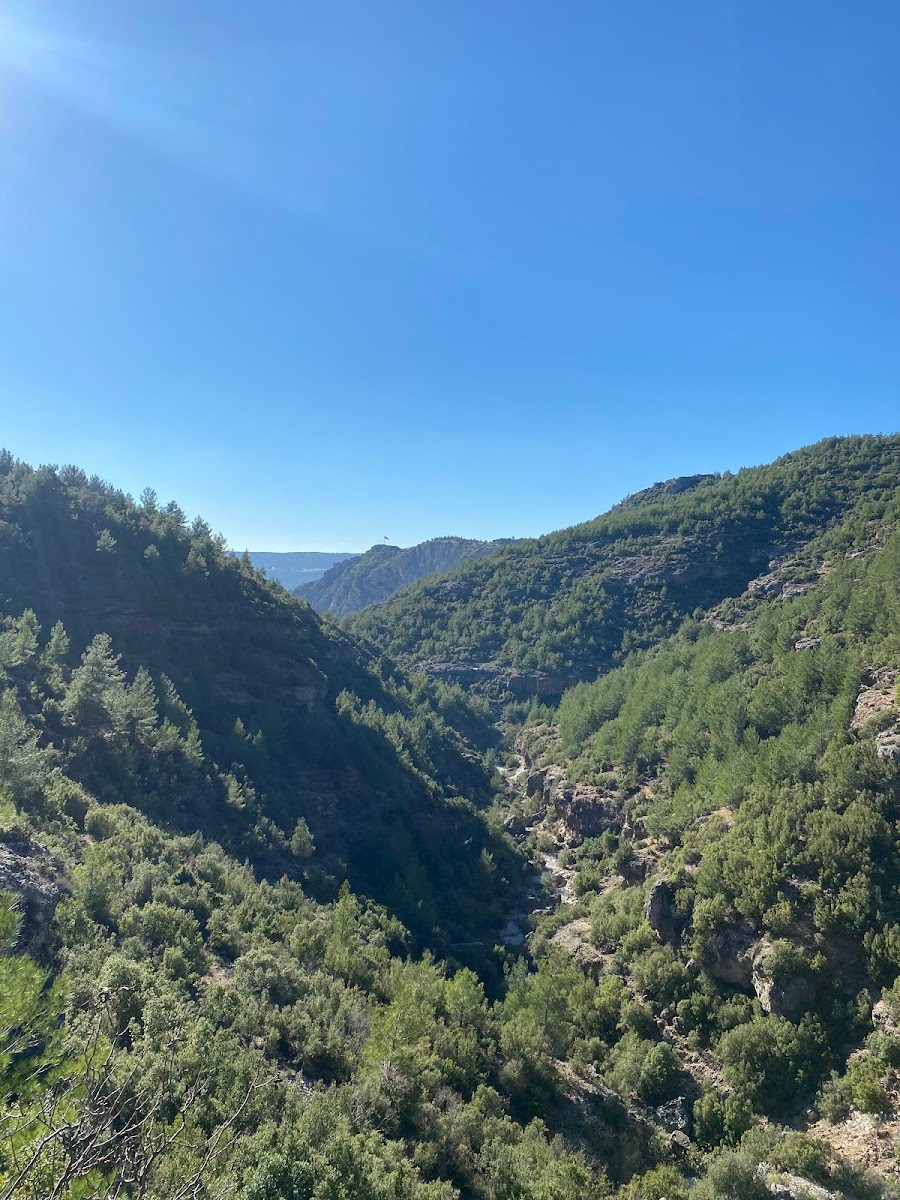
Canyon Walking Path
Merkez
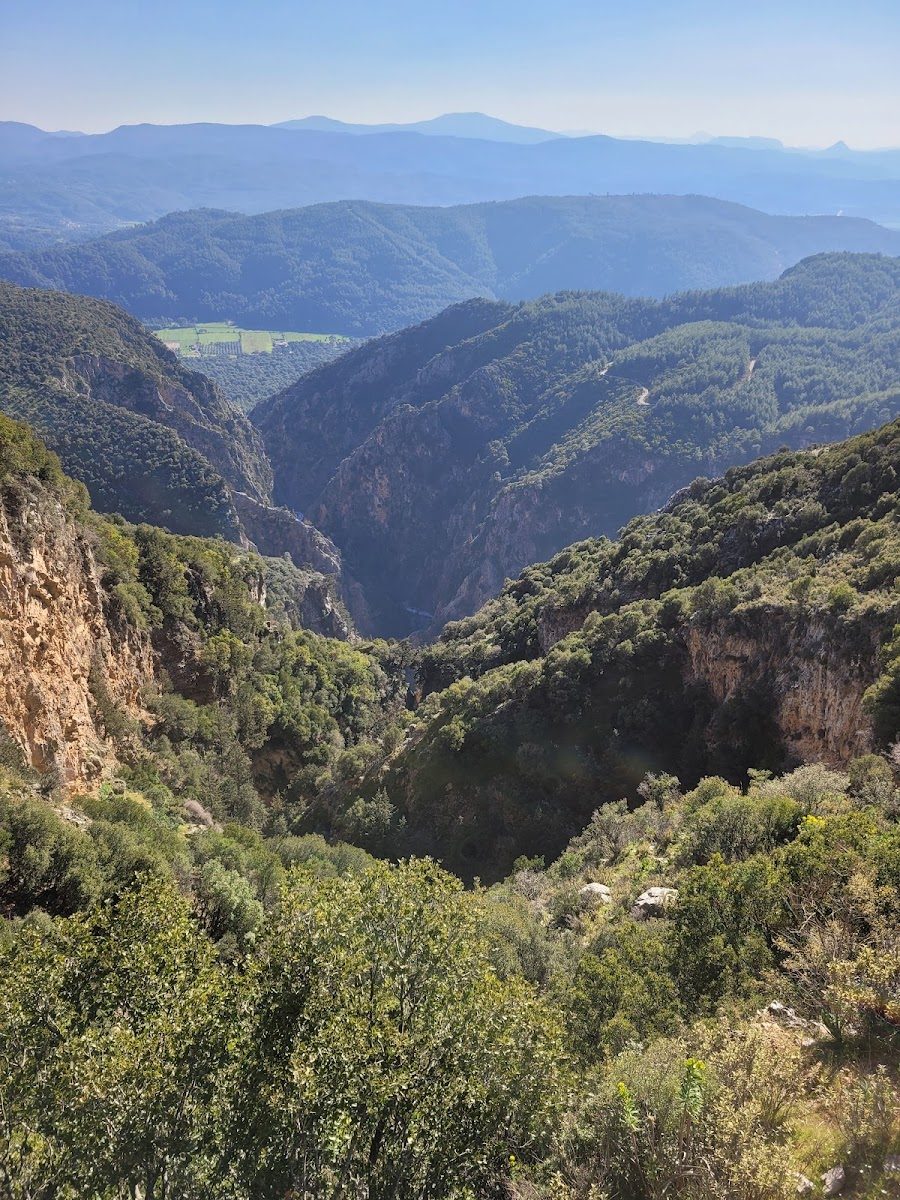
Kırkurgan Canyon
Ula
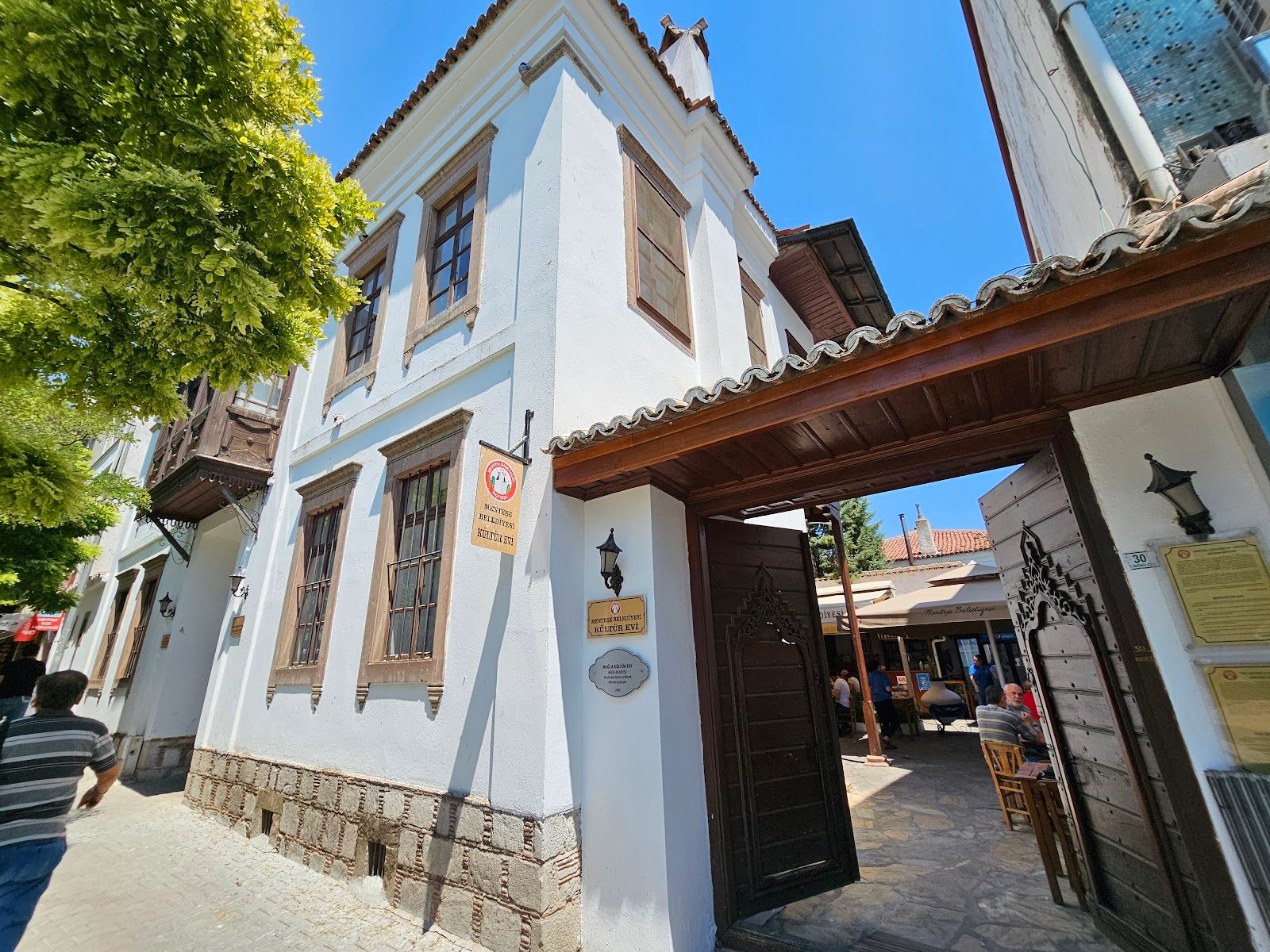
Menteşe Municipality Culture House
Merkez
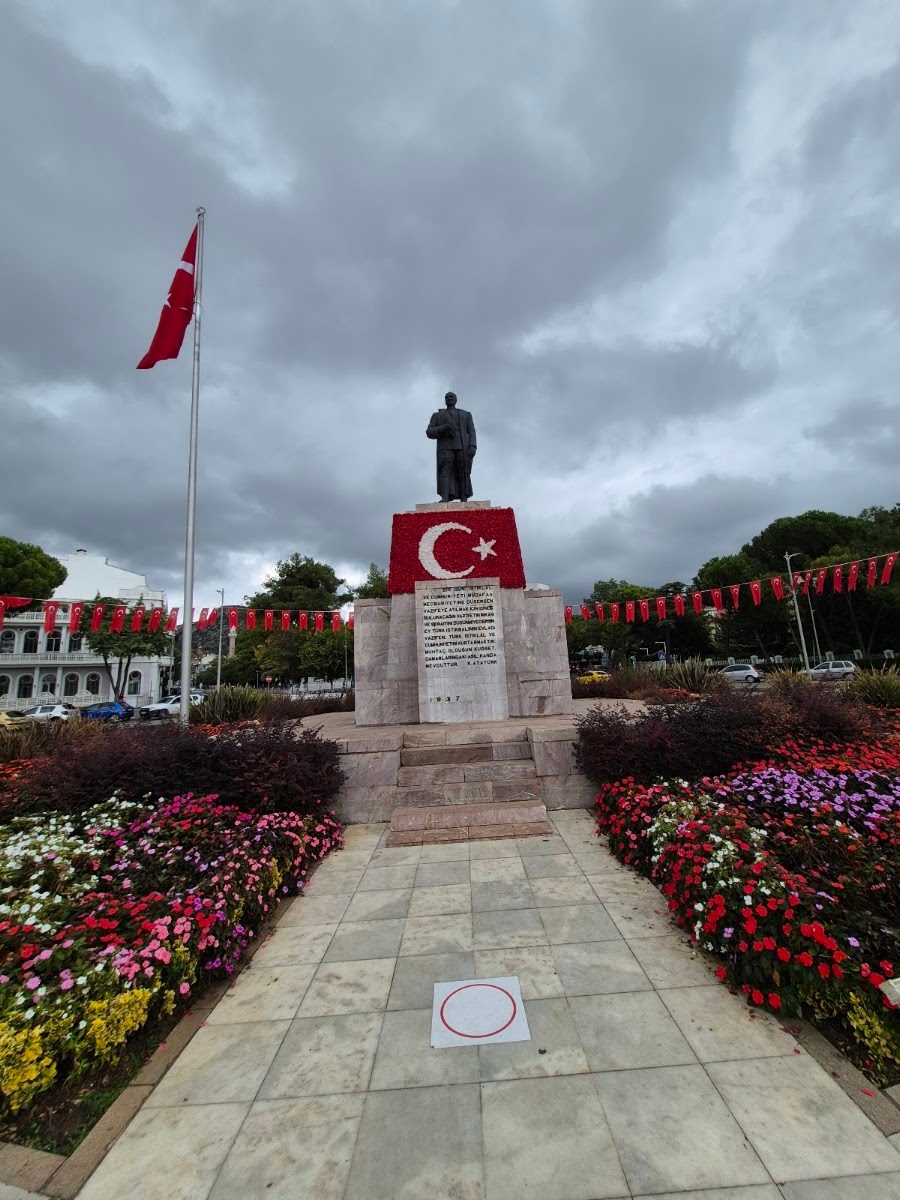
Atatürk Monument
Merkez
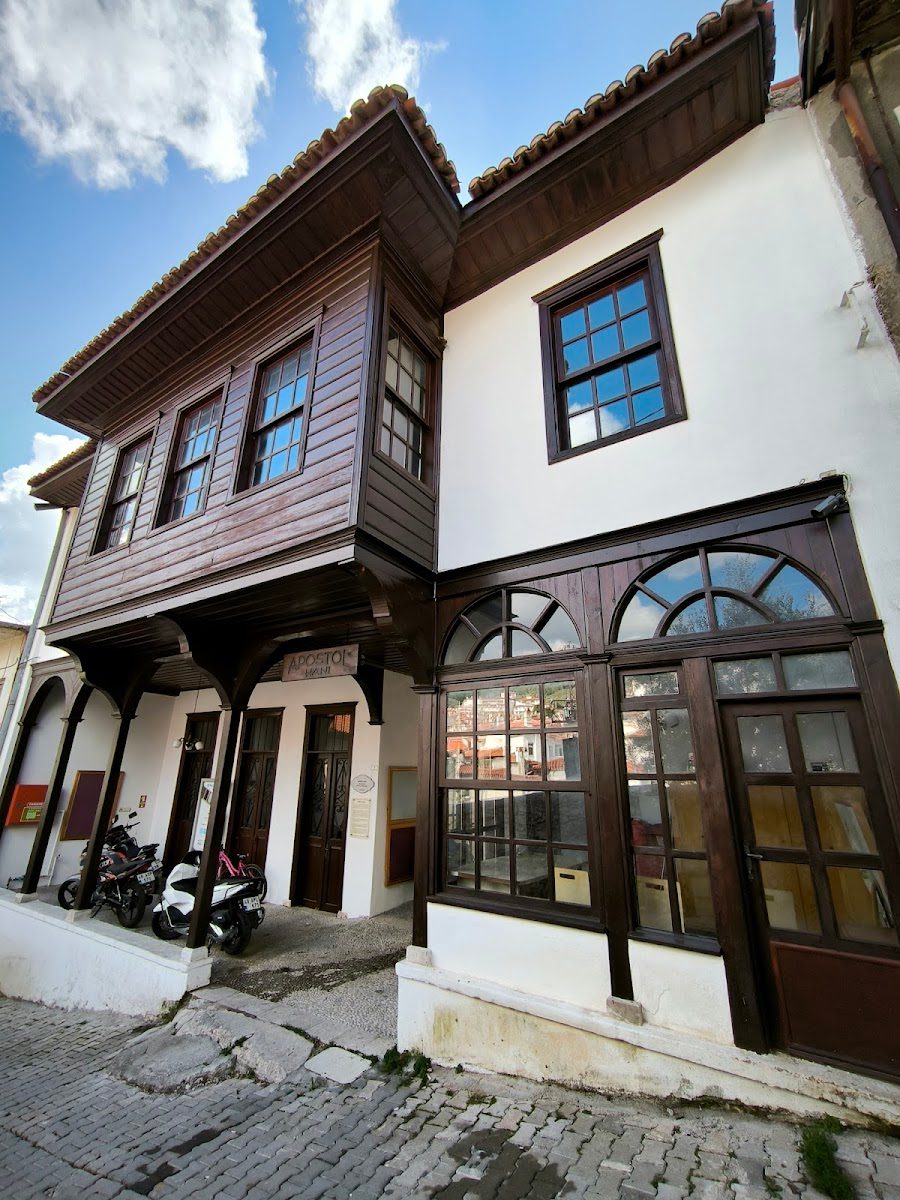
Apostol Han
Merkez
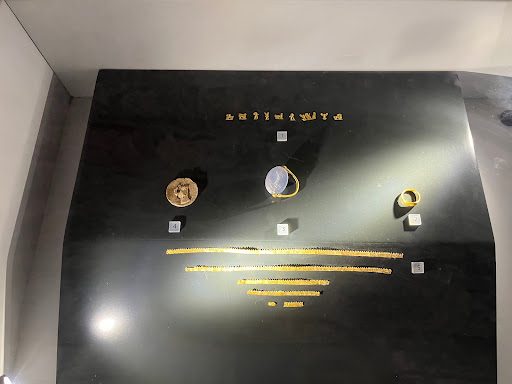
Bodrum Castle and Underwater Archaeology Museum
Bodrum
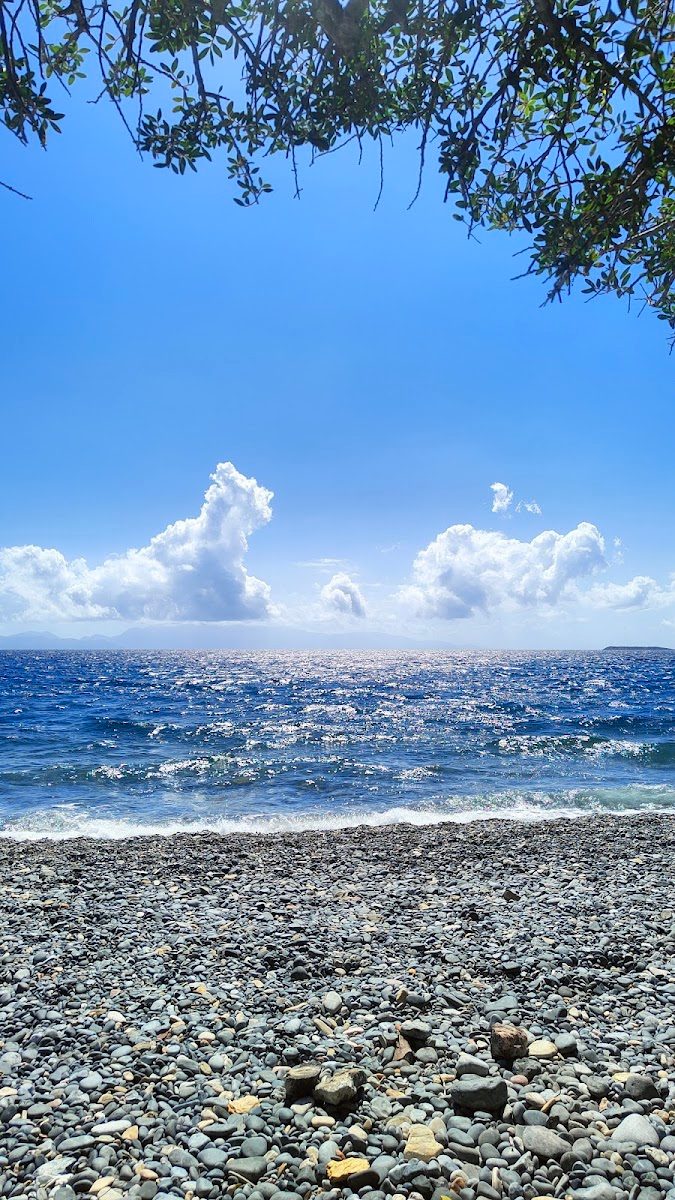
Şeytan Yalısı
Bodrum
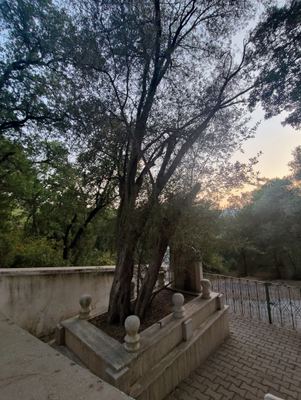
Pisili Hoca Tomb
Menteşe
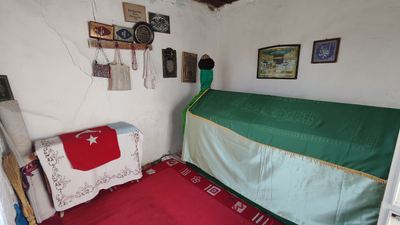
Sheikh Hasan Nuri Efendi Tomb
Menteşe
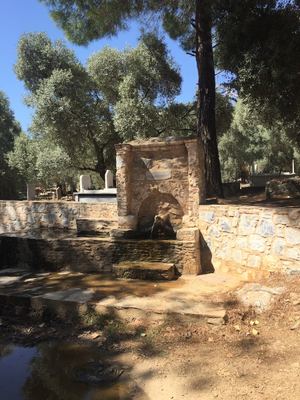
Sheikh Bedrettin Tomb
Milas
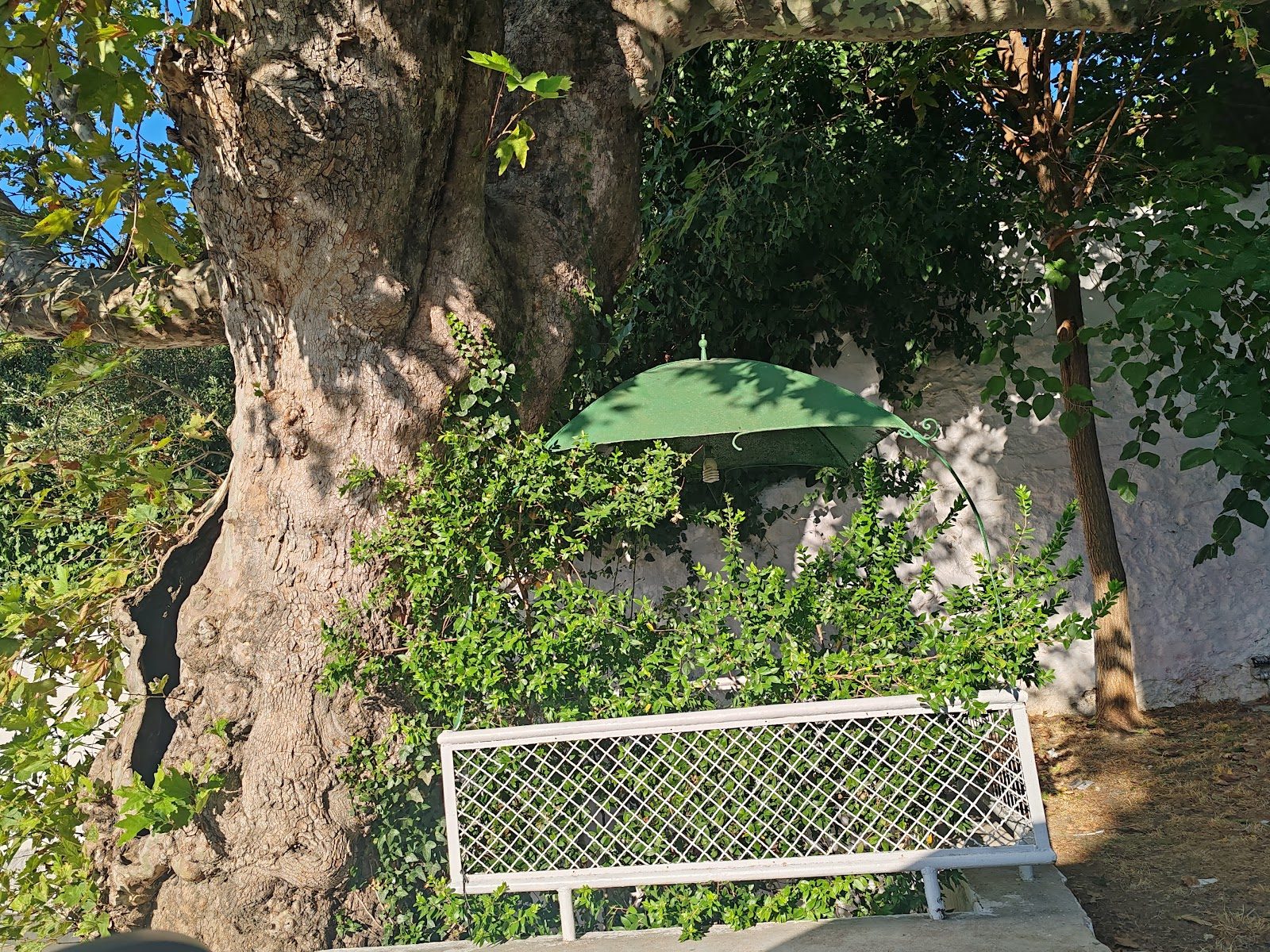
Şemsi Ana Tomb
Merkez
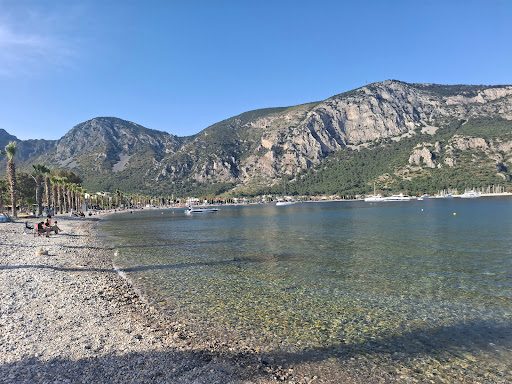
Ören Beach
Milas
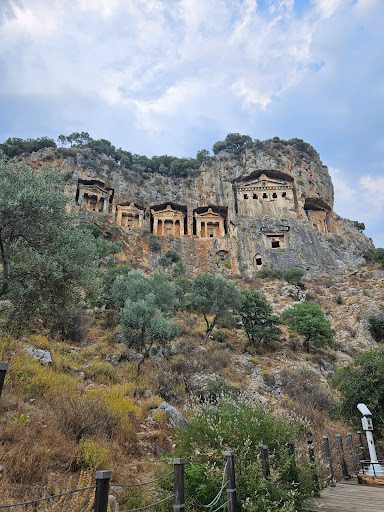
Kaunos Rock Tombs
Ortaca
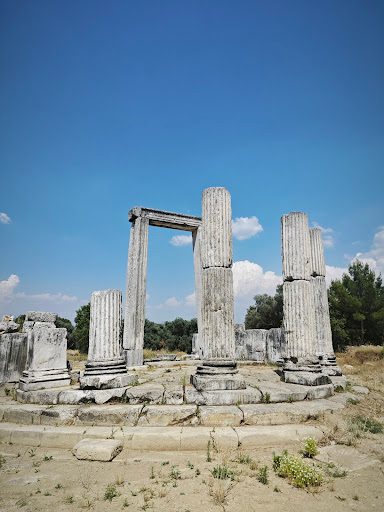
Lagina Hekate Temple
Yatağan
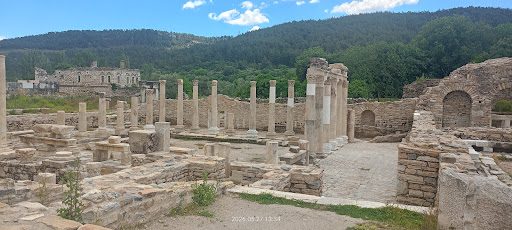
Stratonikeia Workshop
Yatağan
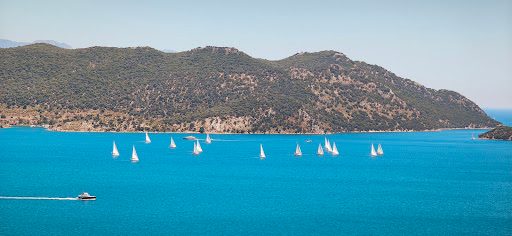
Kille Bay
Dalaman
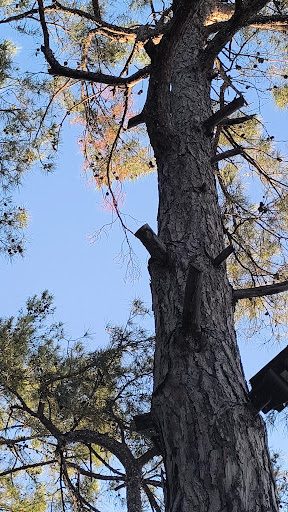
Çubucak Forest Camp
Marmaris
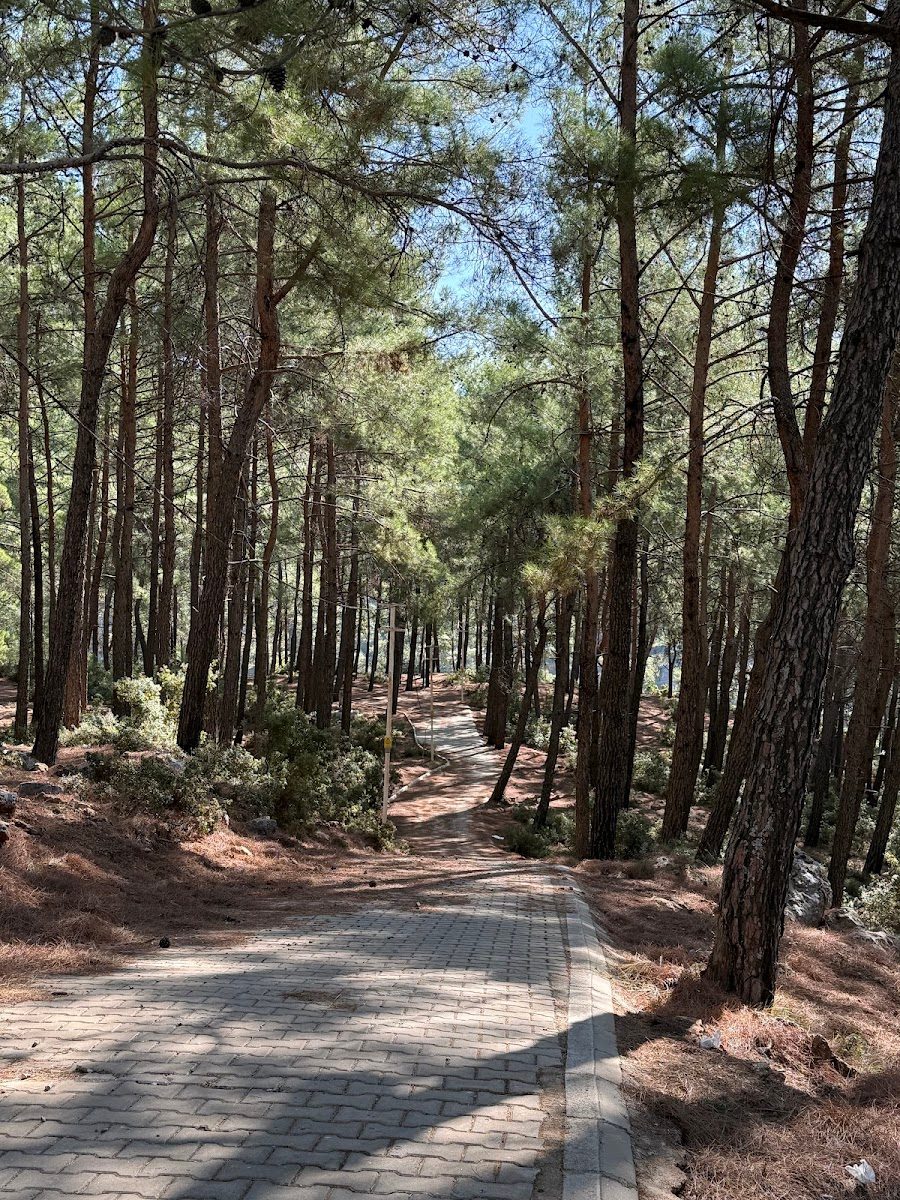
Kızıldağ Recreation Area
Menteşe
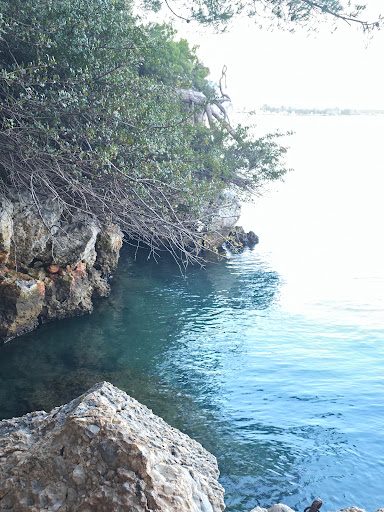
Akyaka Forest Camp
Ula
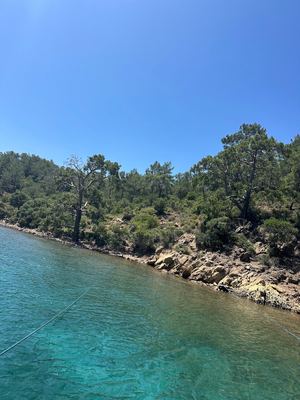
İnbükü Nature Park
Datça
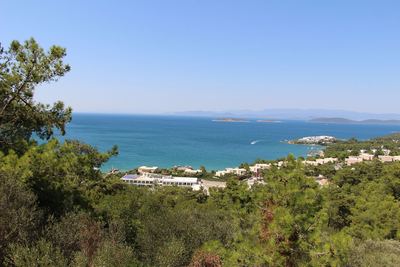
Usuluk Bay Nature Park
Bodrum
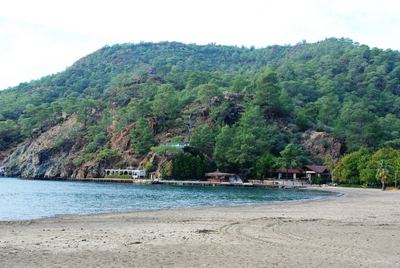
Küçük Kargı Nature Park
Fethiye

Ancient City of Knidos
Datça
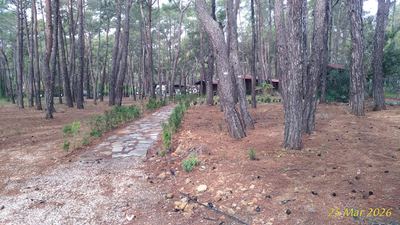
Kovanlık Nature Park
Datça
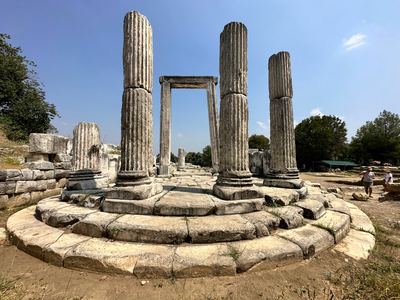
Lagina Ancient City
Yatağan
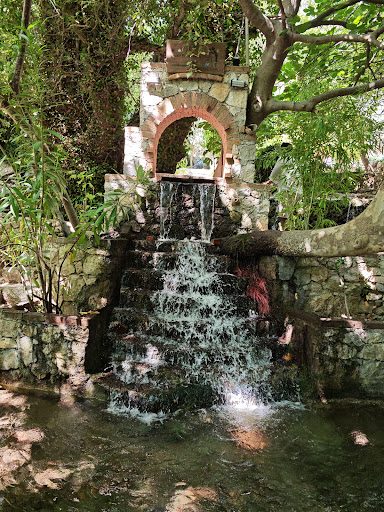
Yaka Waterfall Park
Fethiye
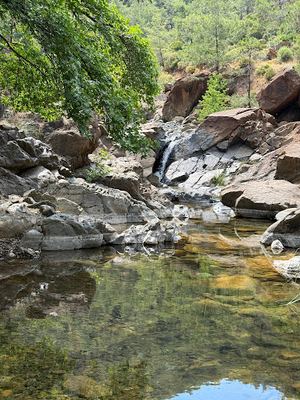
Toparlar Waterfall
Köyceğiz
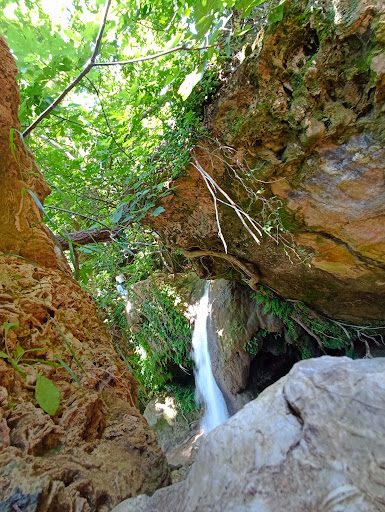
Turgut Waterfall
Marmaris

Kurşunlu Mosque
Menteşe
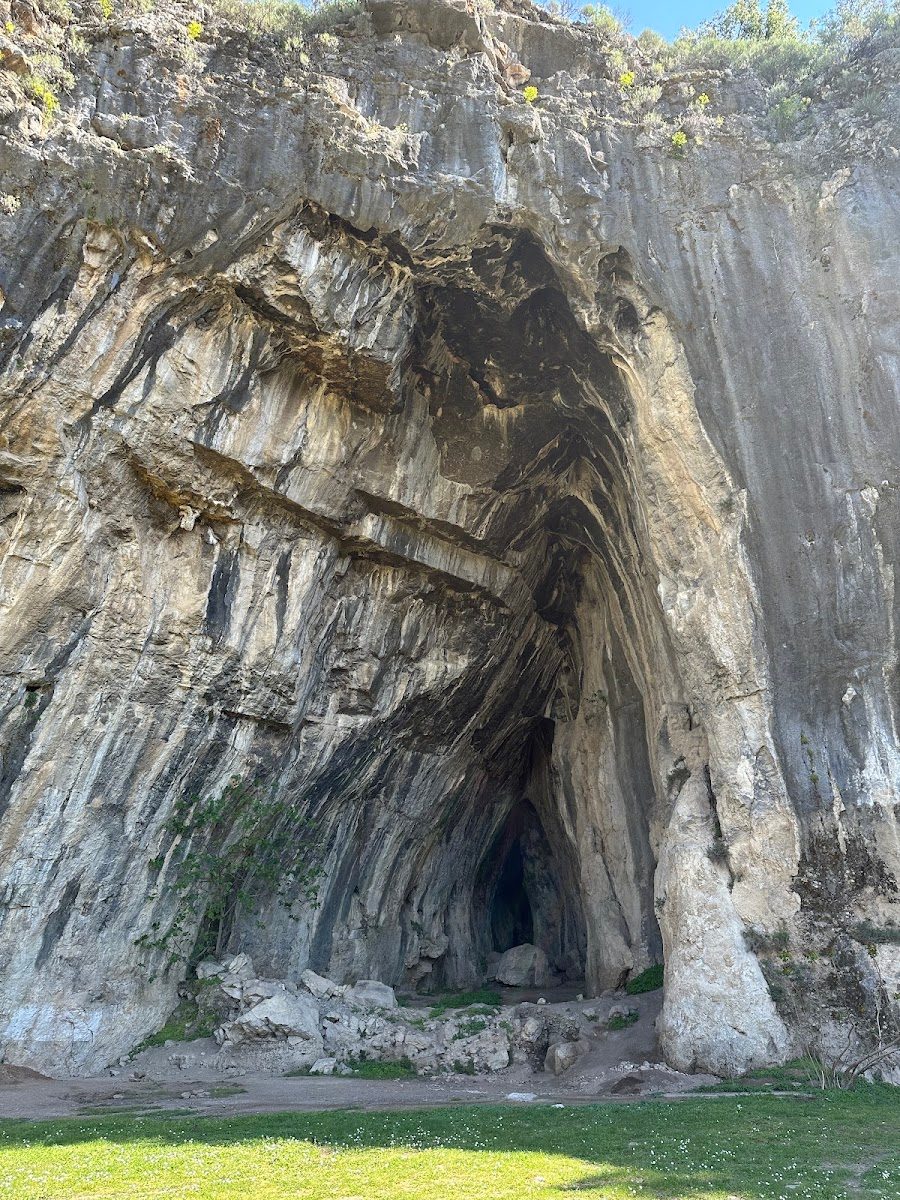
Girmeler Cave
Seydikemer
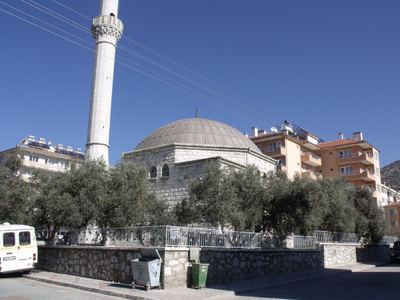
Orhaniye Mosque
Menteşe
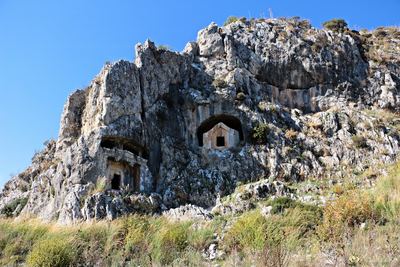
Thera Ancient City
Menteşe
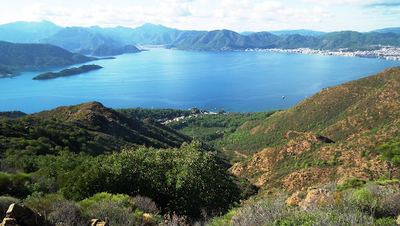
Marmaris National Park
Marmaris
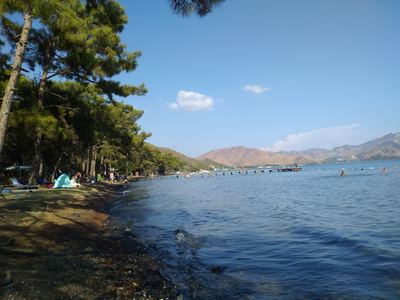
Çubucak Nature Park
Marmaris

Muğla Grand Mosque
Menteşe
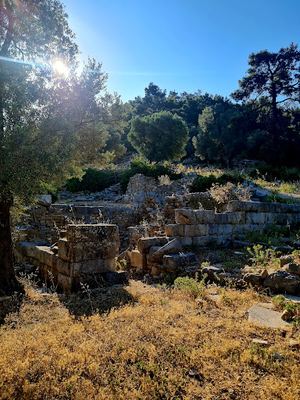
Pedasa Ancient City
Bodrum
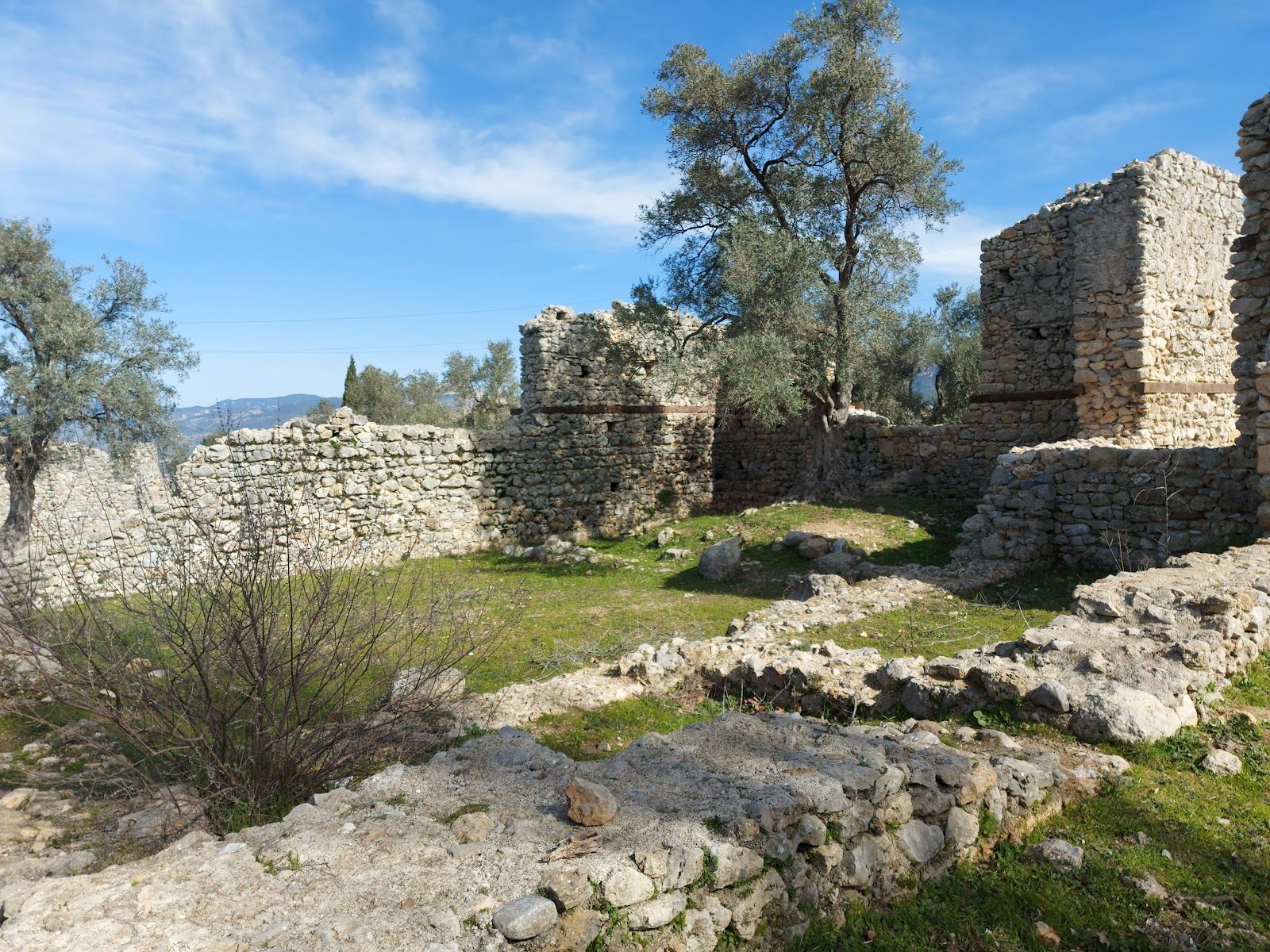
Beçin Ancient City
Milas
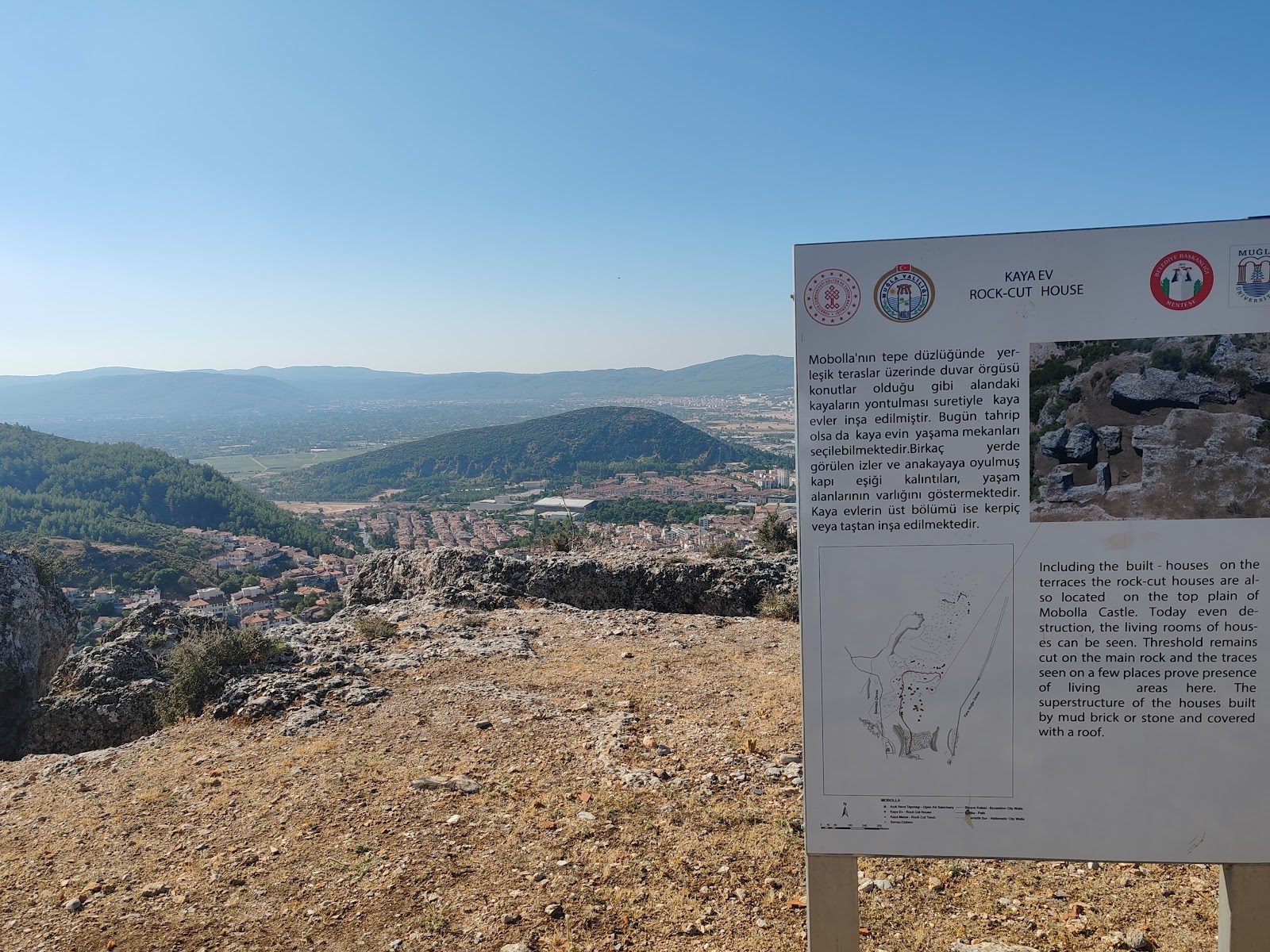
Mobal Ancient Site
Merkez
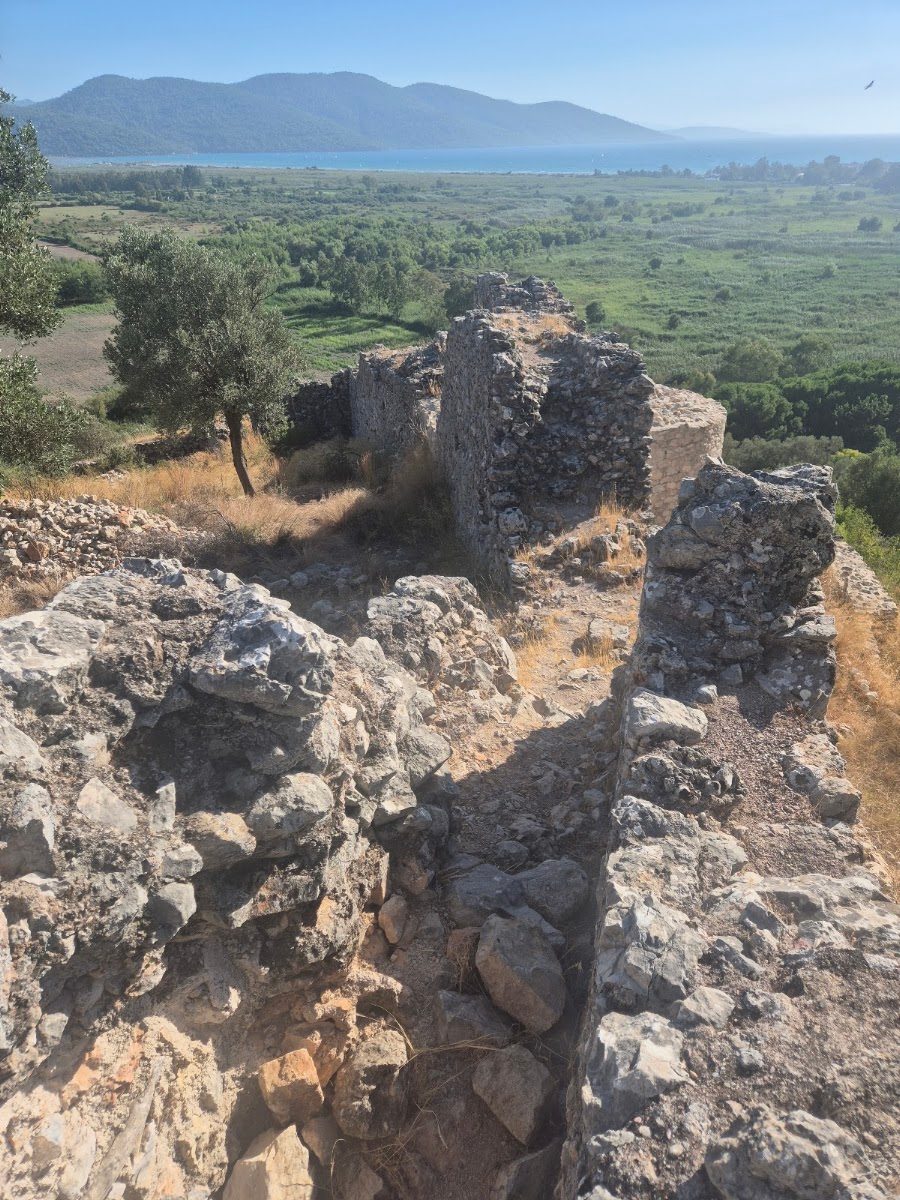
Akyaka Castle
Ula
Ula Pond
Ula
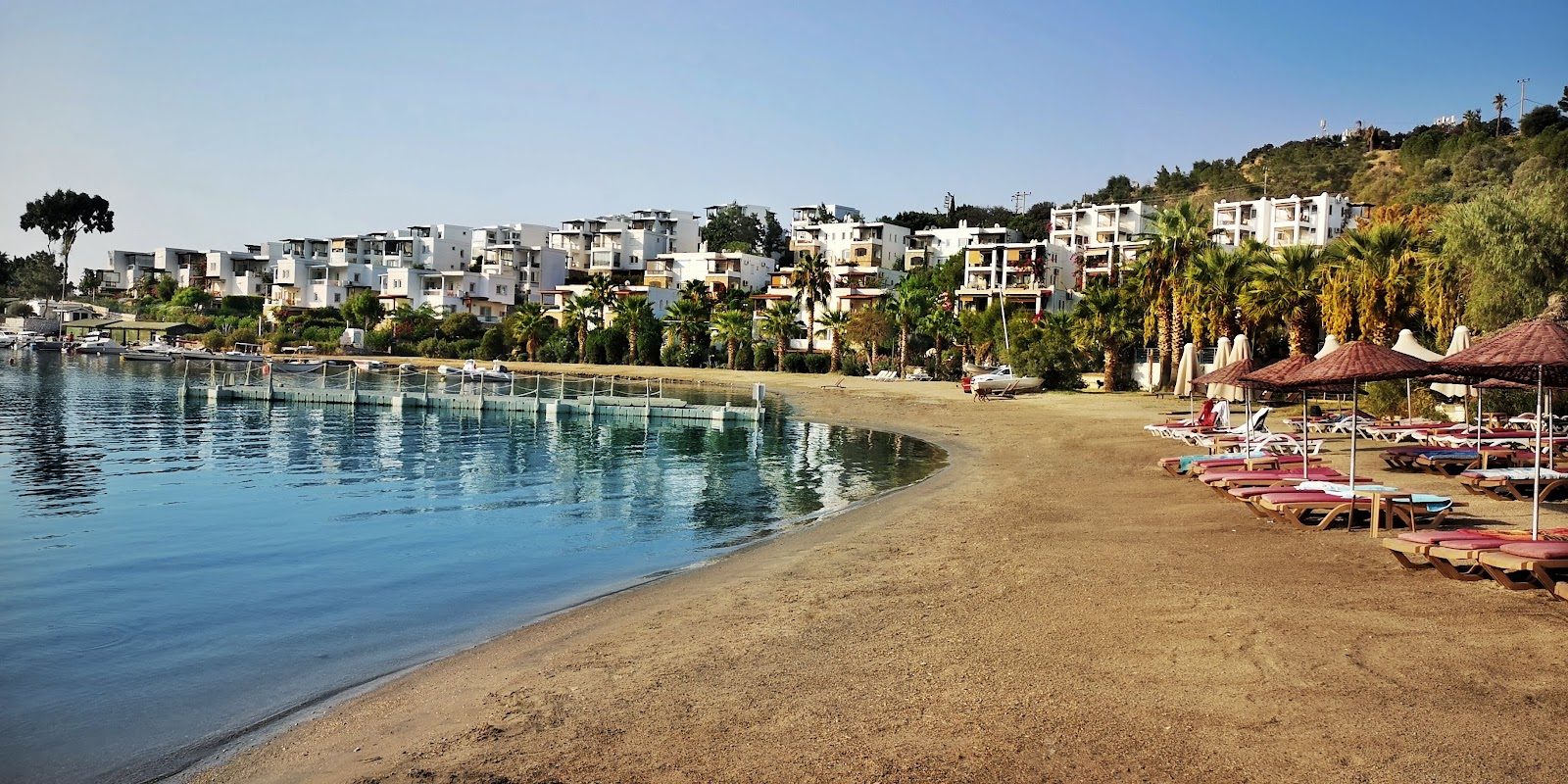
Bitez Beach
Bodrum
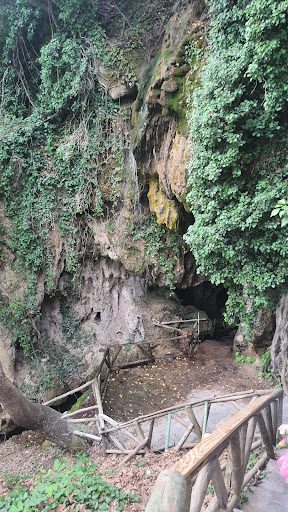
Yerküpe Cave
Kavaklıdere
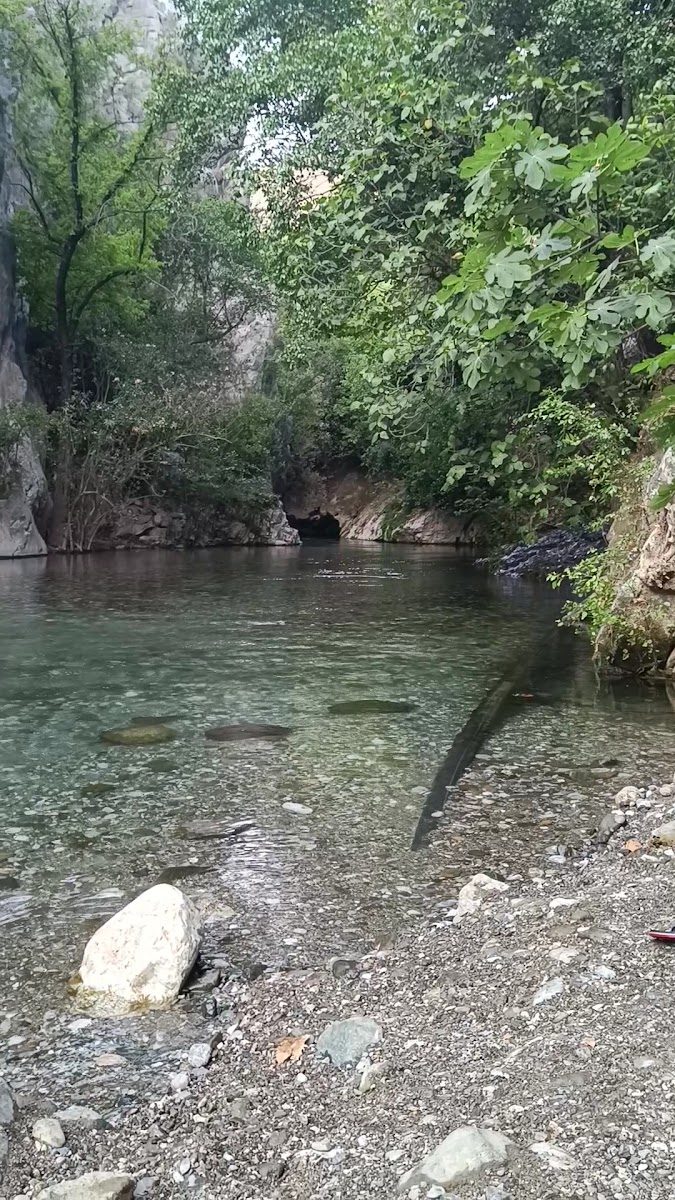
Yeşilvadi Nature Park and Campground
Fethiye
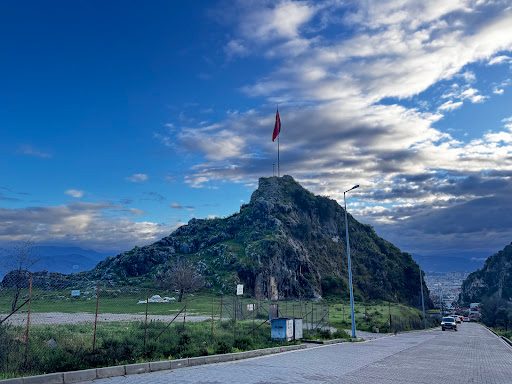
Fethiye Castle
Fethiye
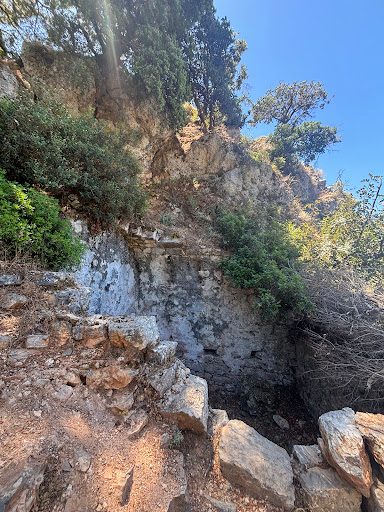
Af Kule Monastery Ruins
Fethiye
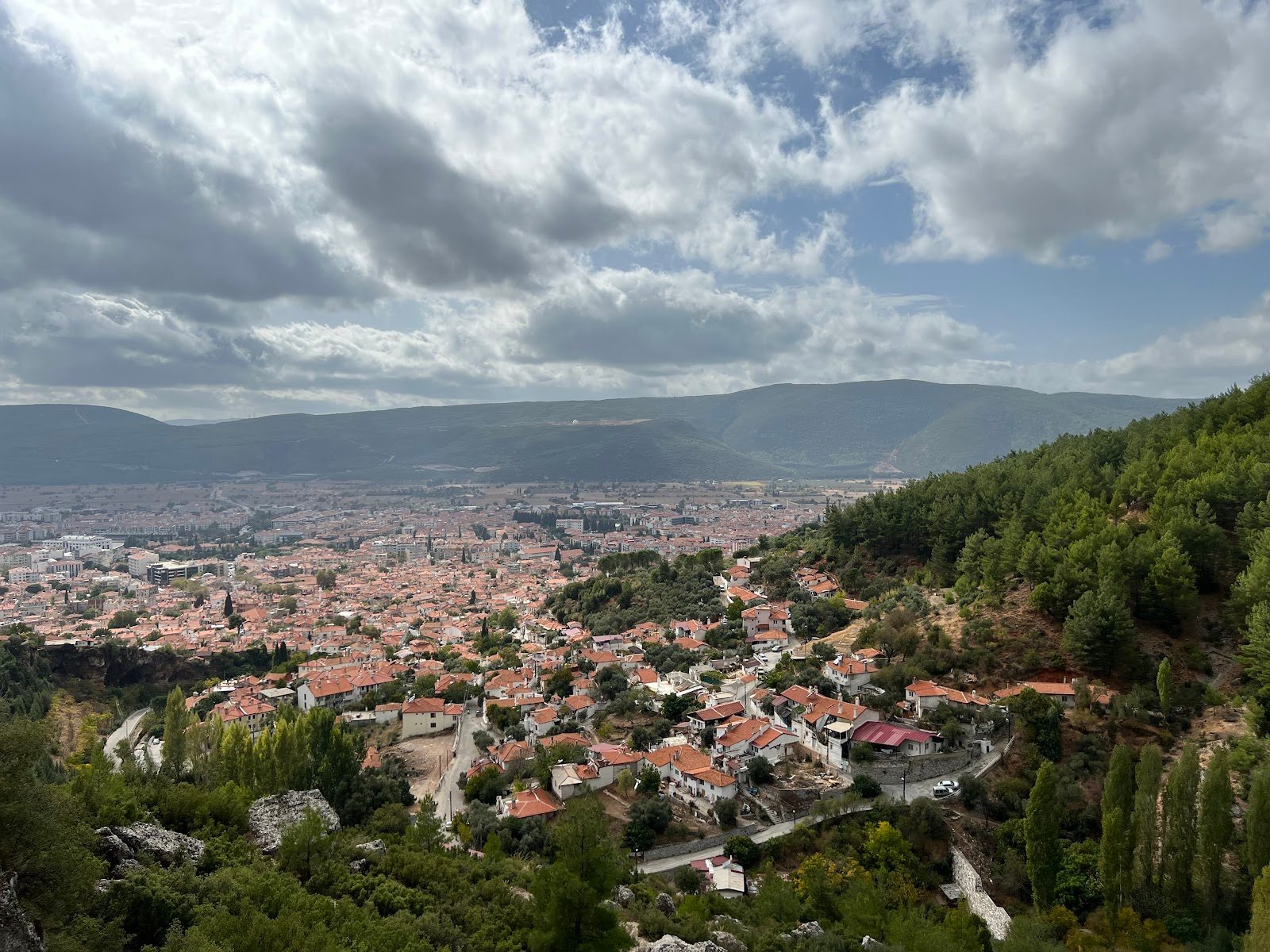
Masa Mountain
Menteşe
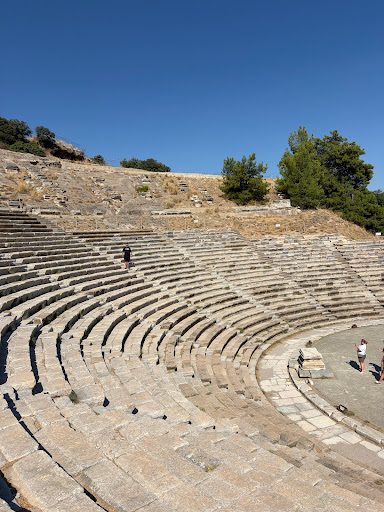
Bodrum Ancient Theater
Bodrum
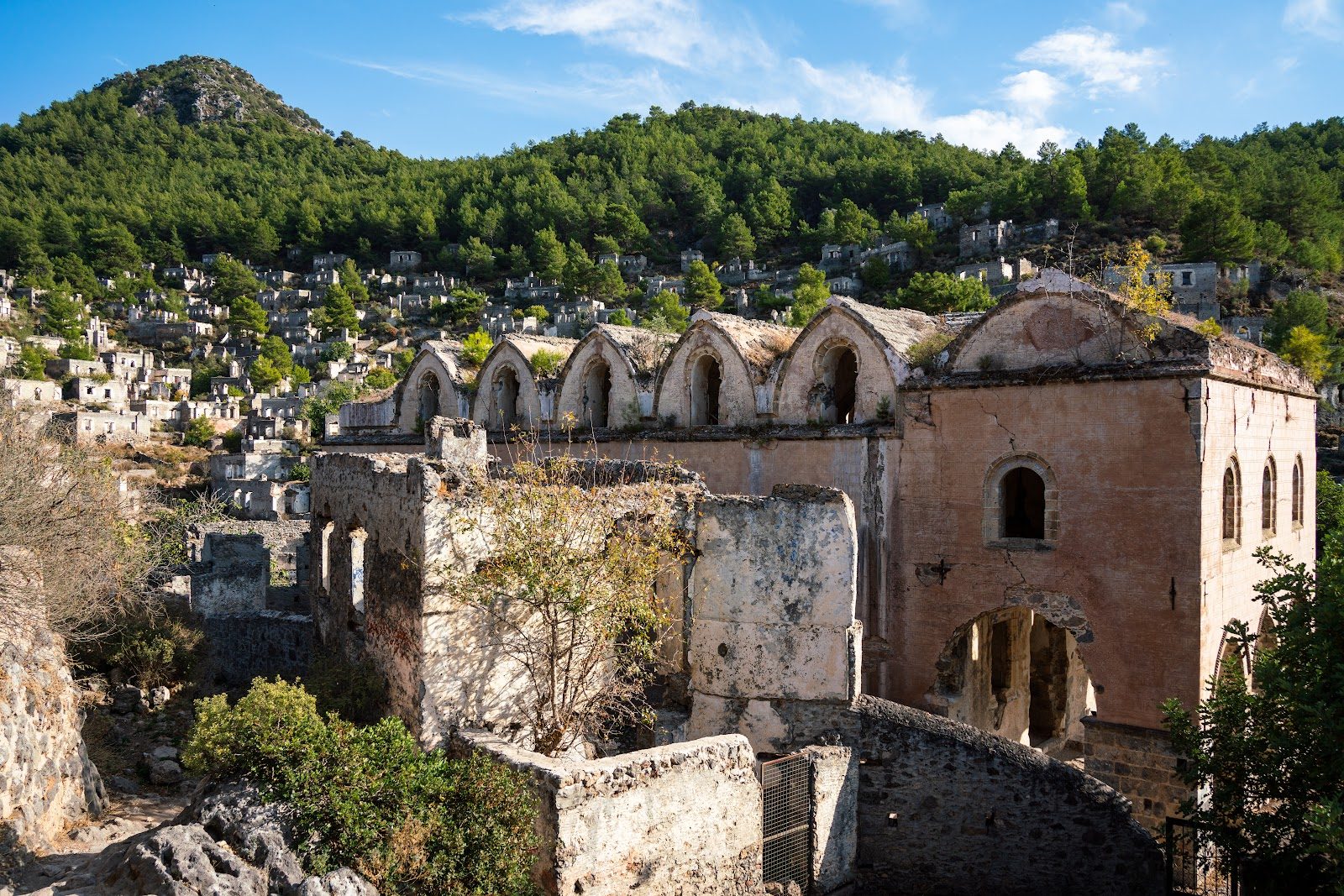
Fethiye Kayaköy Ancient City
Fethiye
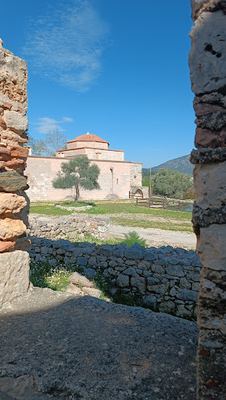
Ahmet Gazi Madrasa and Tomb
Milas
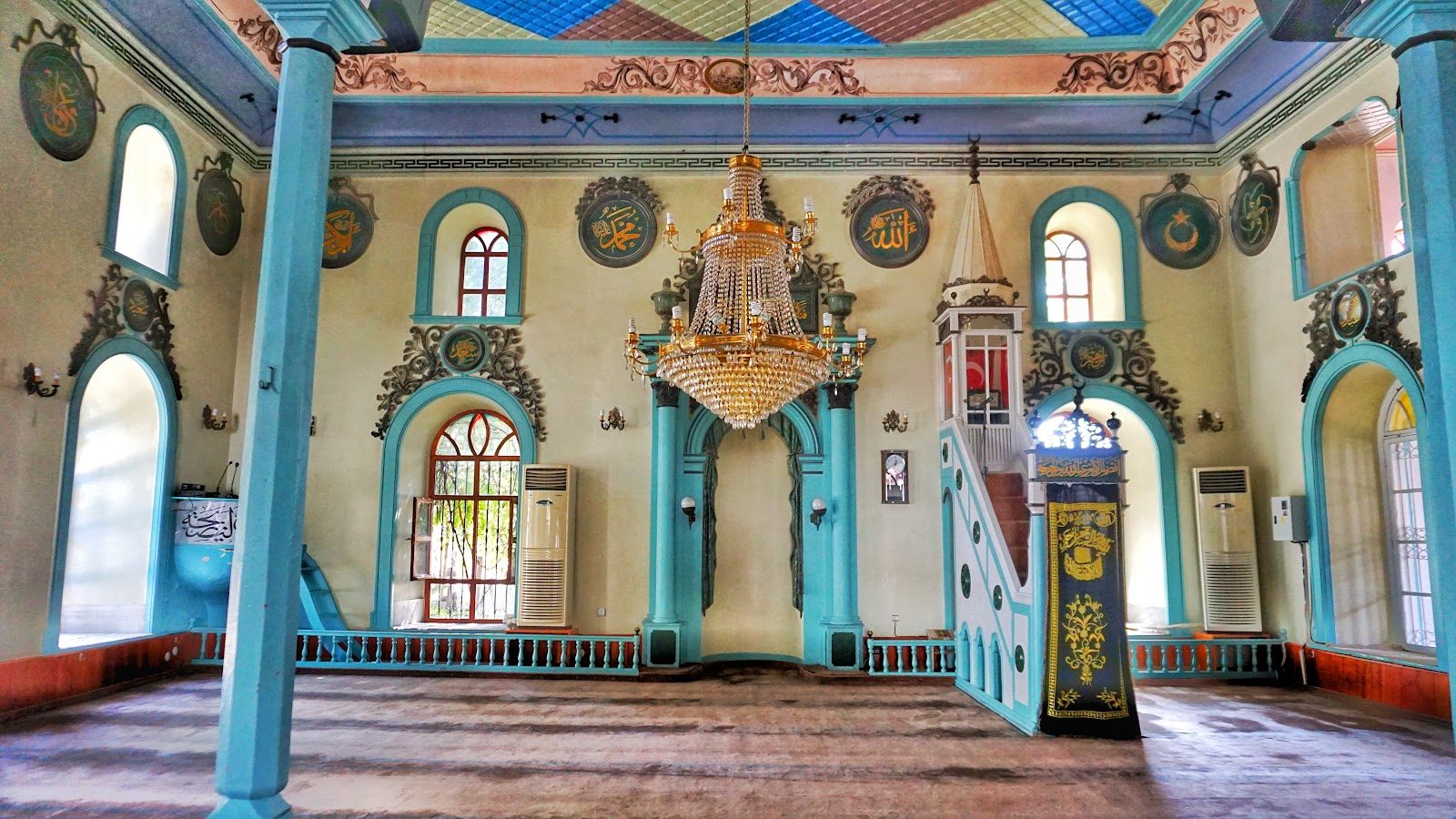
Şeyh Mosque
Menteşe
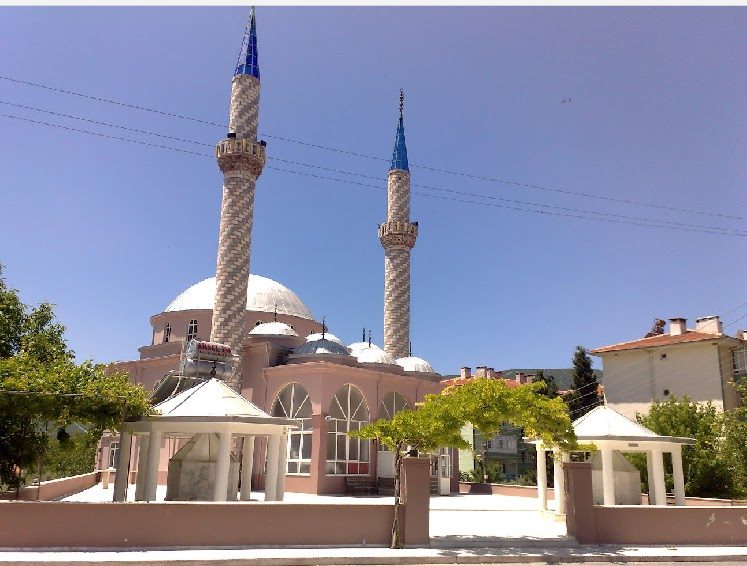
Muslihiddin Mosque
Merkez
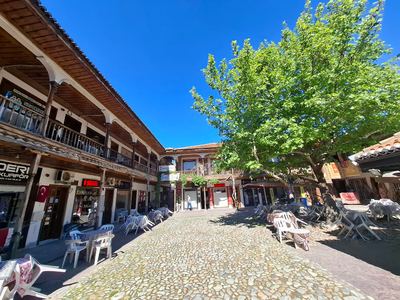
Yağcılar Han
Menteşe
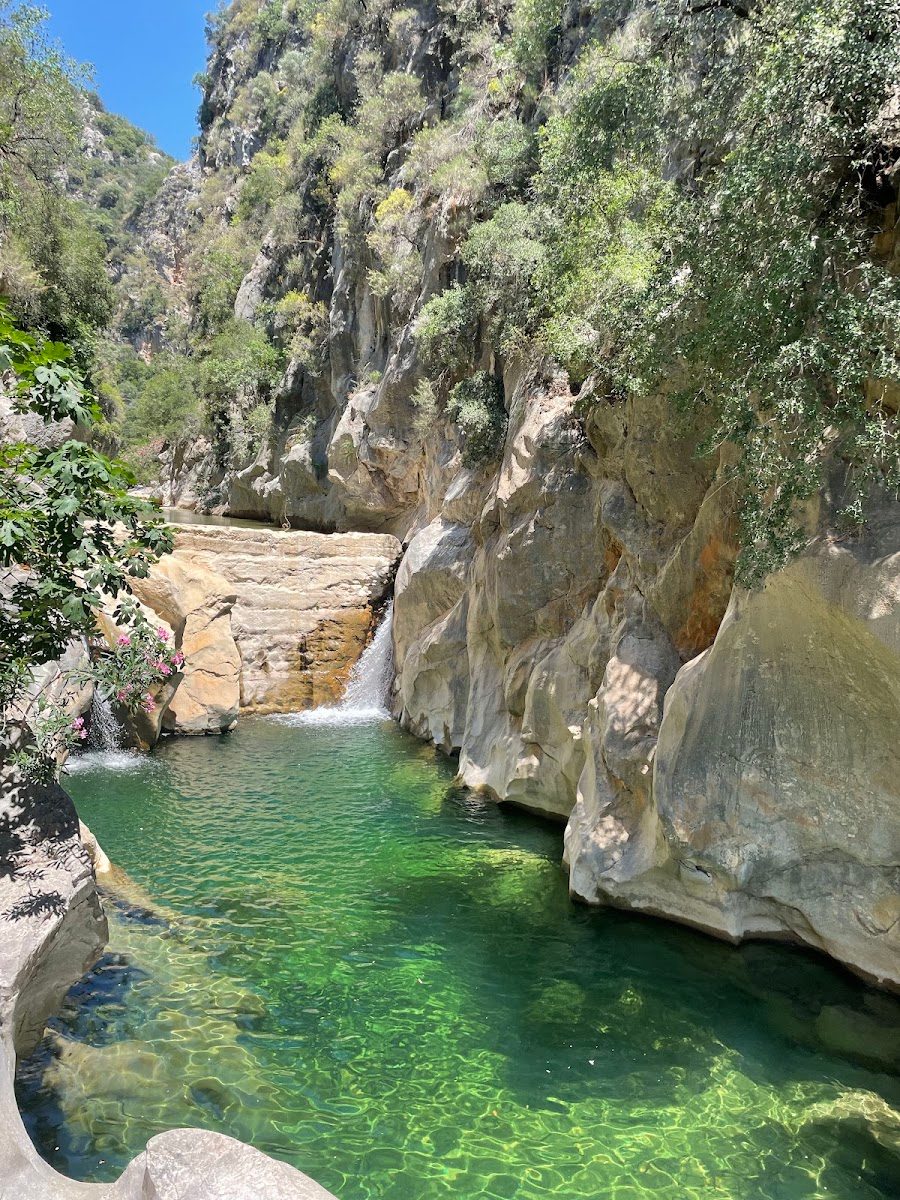
Kartal Canyon
Menteşe
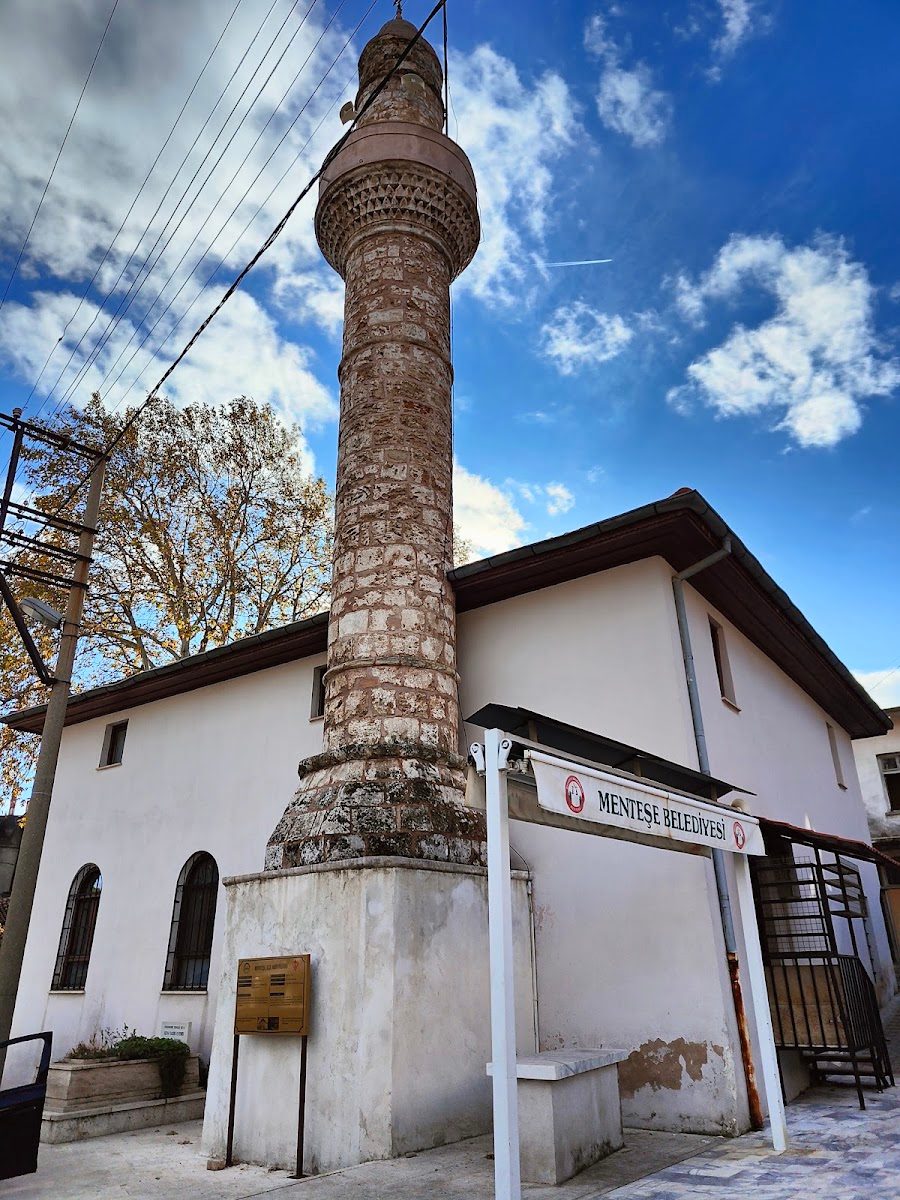
Saburhane Mosque
Merkez
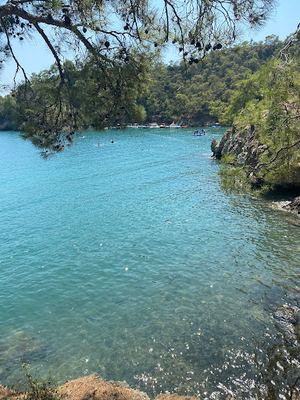
Katrancı Bay Nature Park
Fethiye
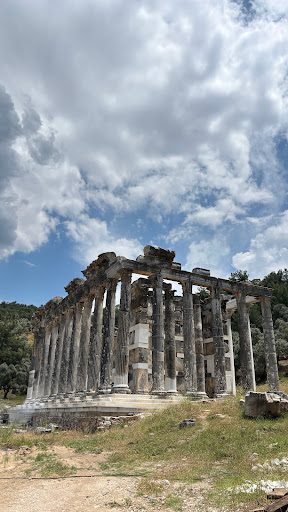
Euromos Ancient City
Milas
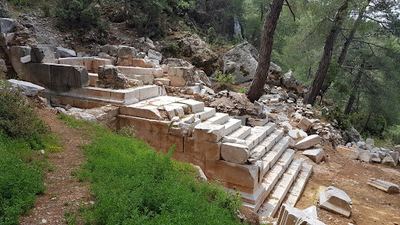
Cadianda Ancient City
Fethiye
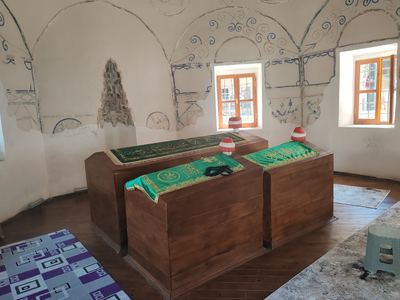
Hüsamettin Efendi Tomb
Ula
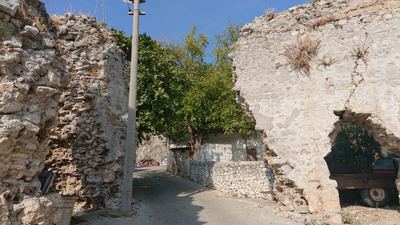
Keramos Ancient City
Milas
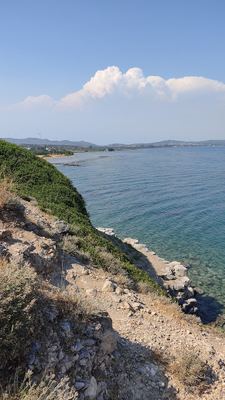
Datça Burgaz Ancient Site
Datça
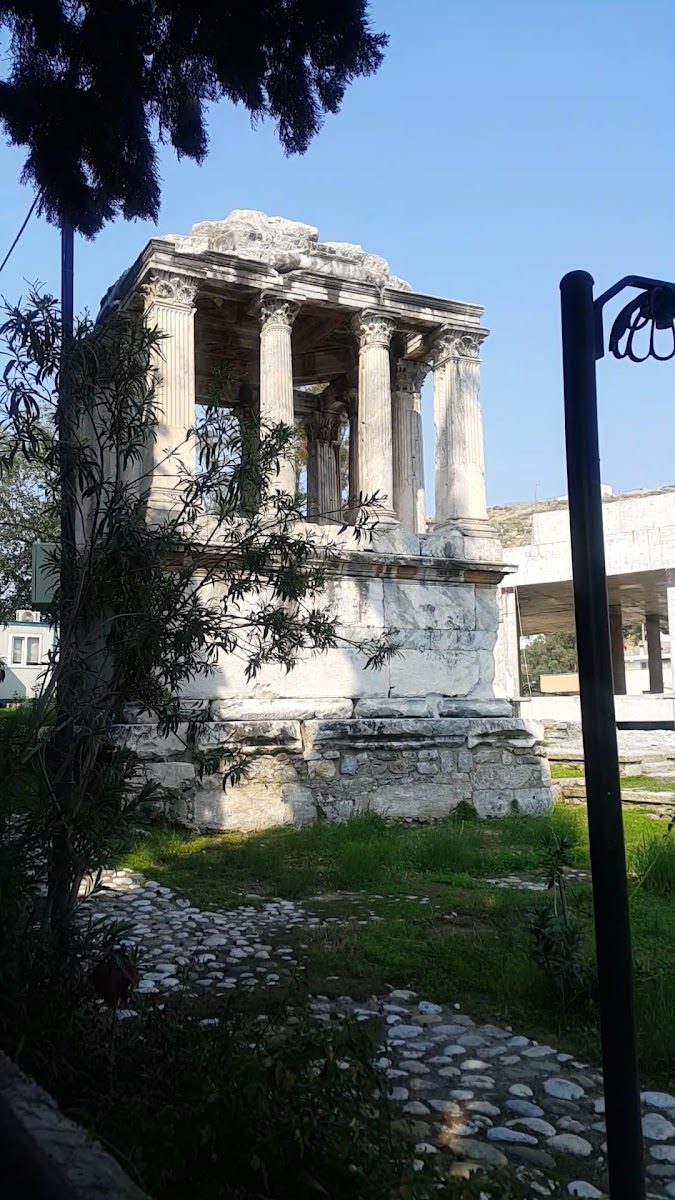
Gümüşkesen Monument
Milas
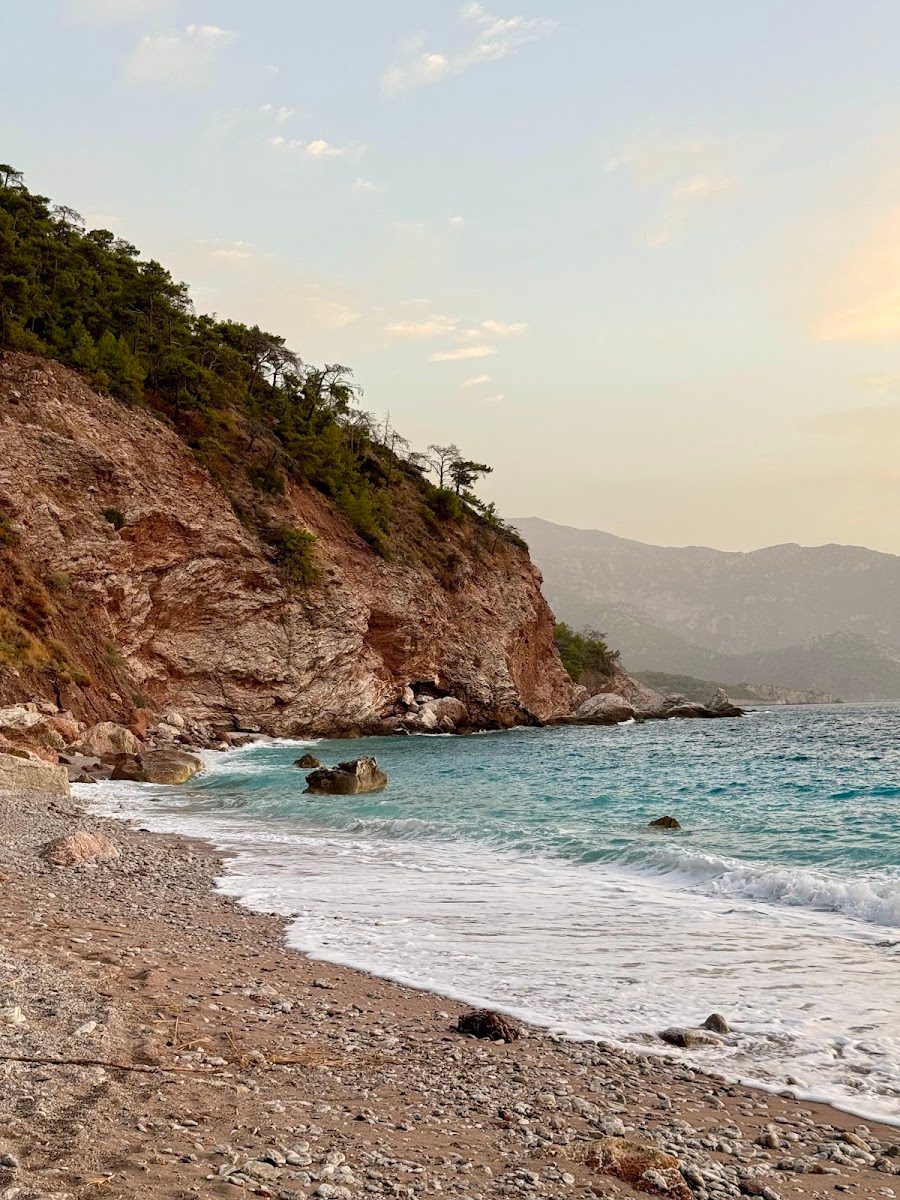
Çukuryurt Beach
Fethiye
Sarsala Cove
Dalaman
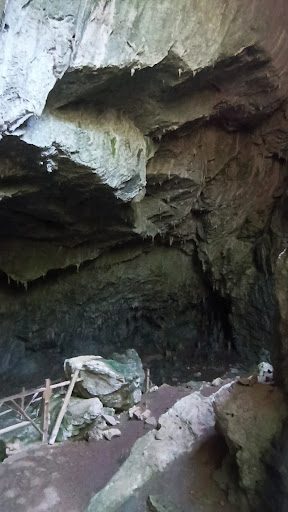
Nimara Cave
Marmaris
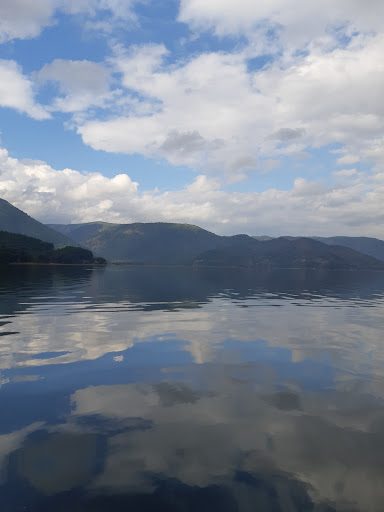
Köyceğiz Lake
Merkez
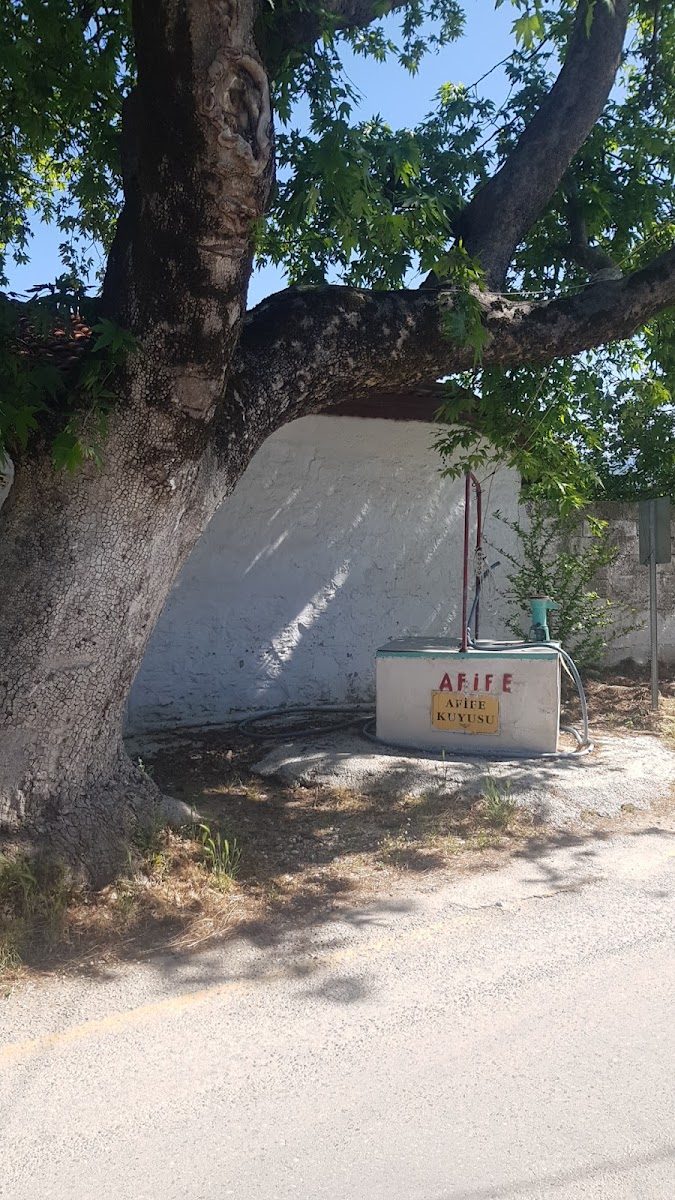
Afife Well
Merkez
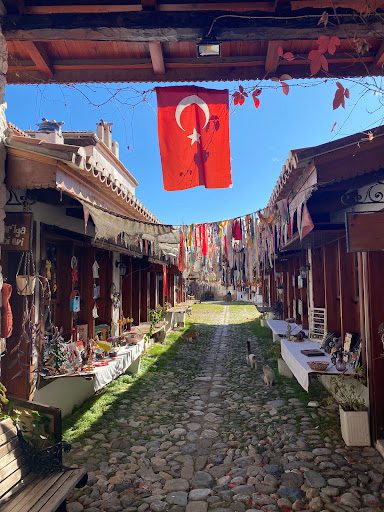
Zahire Market
Menteşe
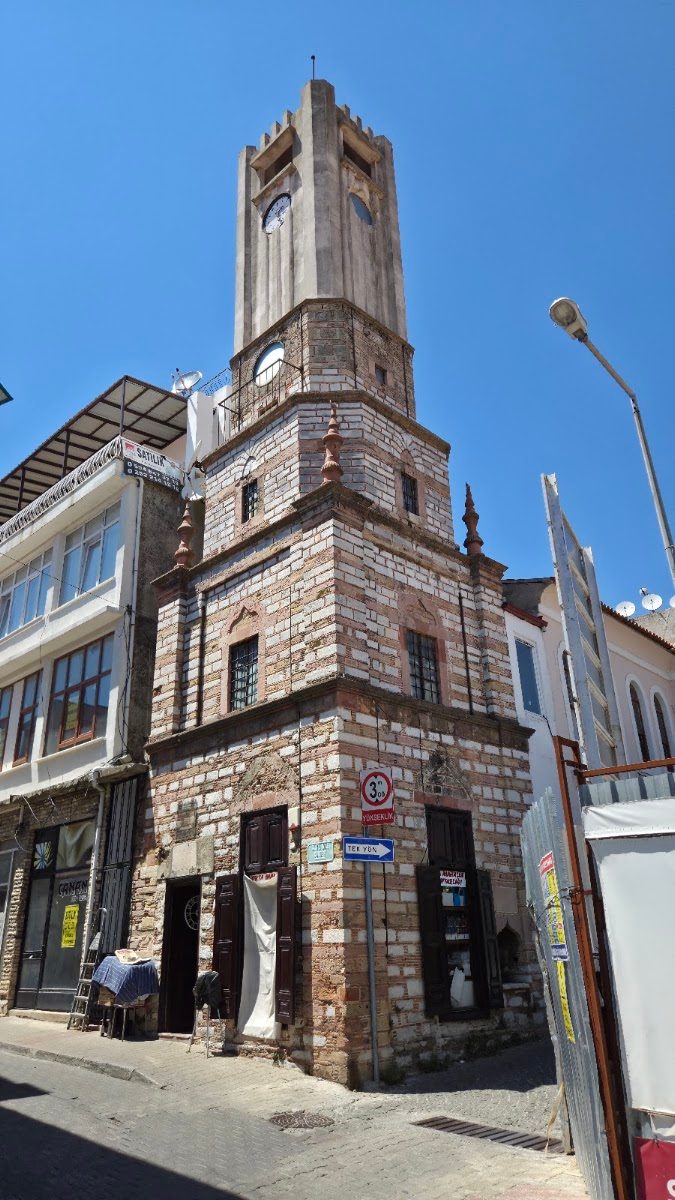
Clock Tower
Merkez
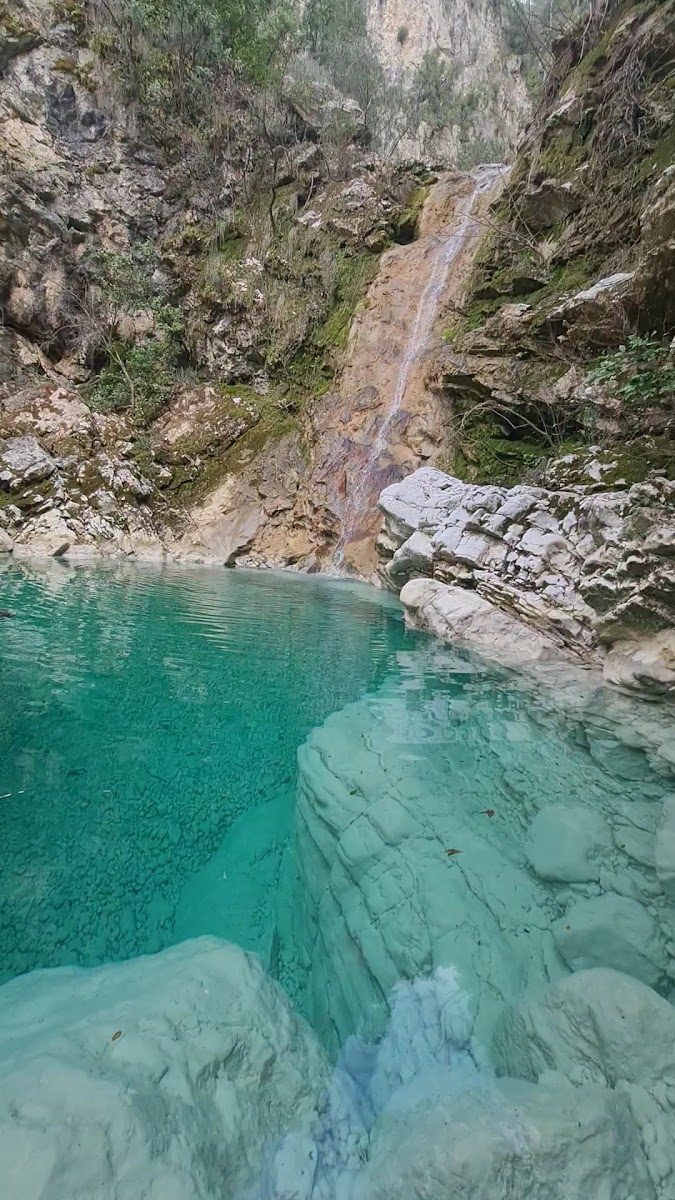
Sarnıç Waterfall
Menteşe
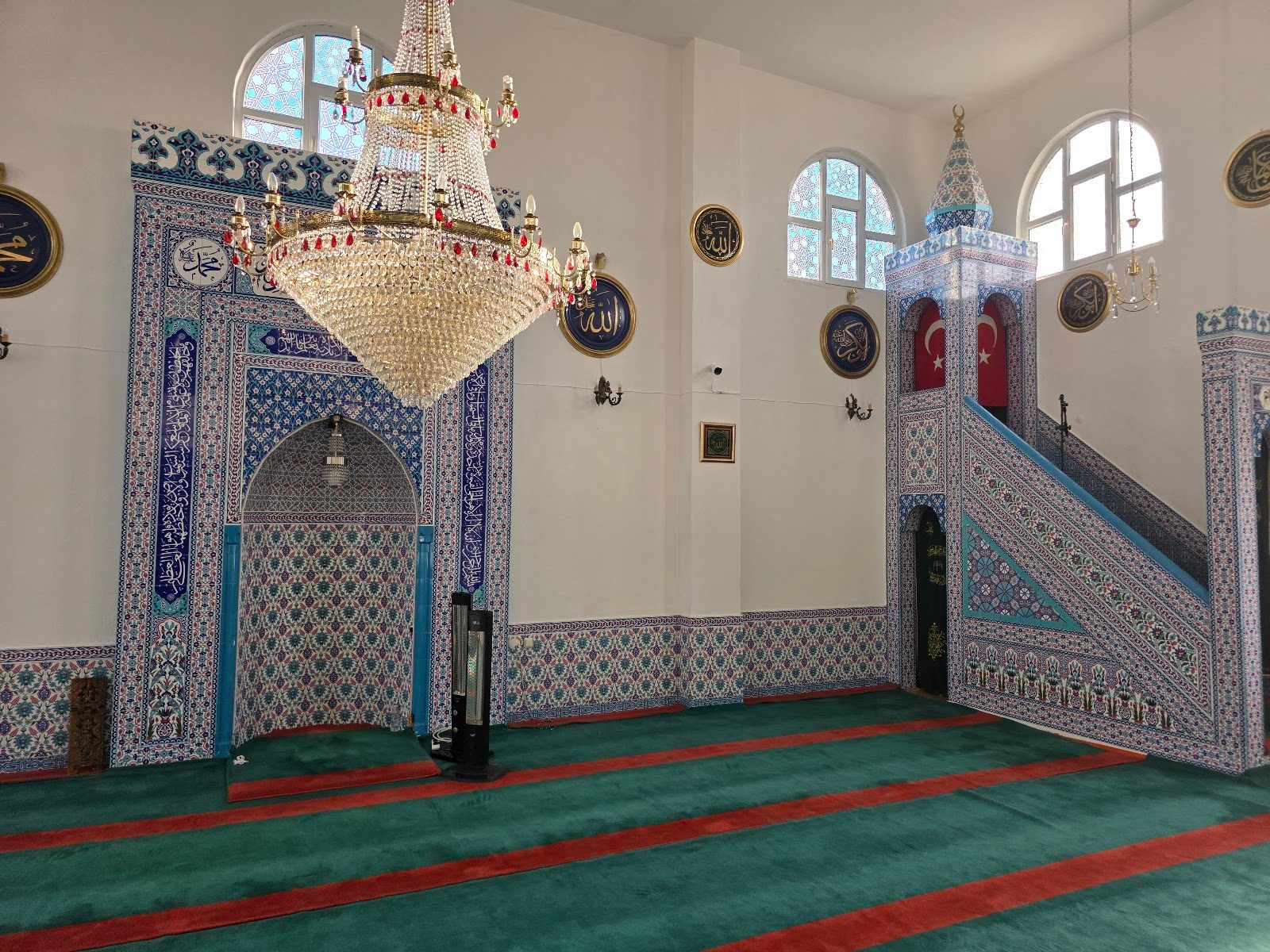
Emir Beyazıt Mosque
Merkez
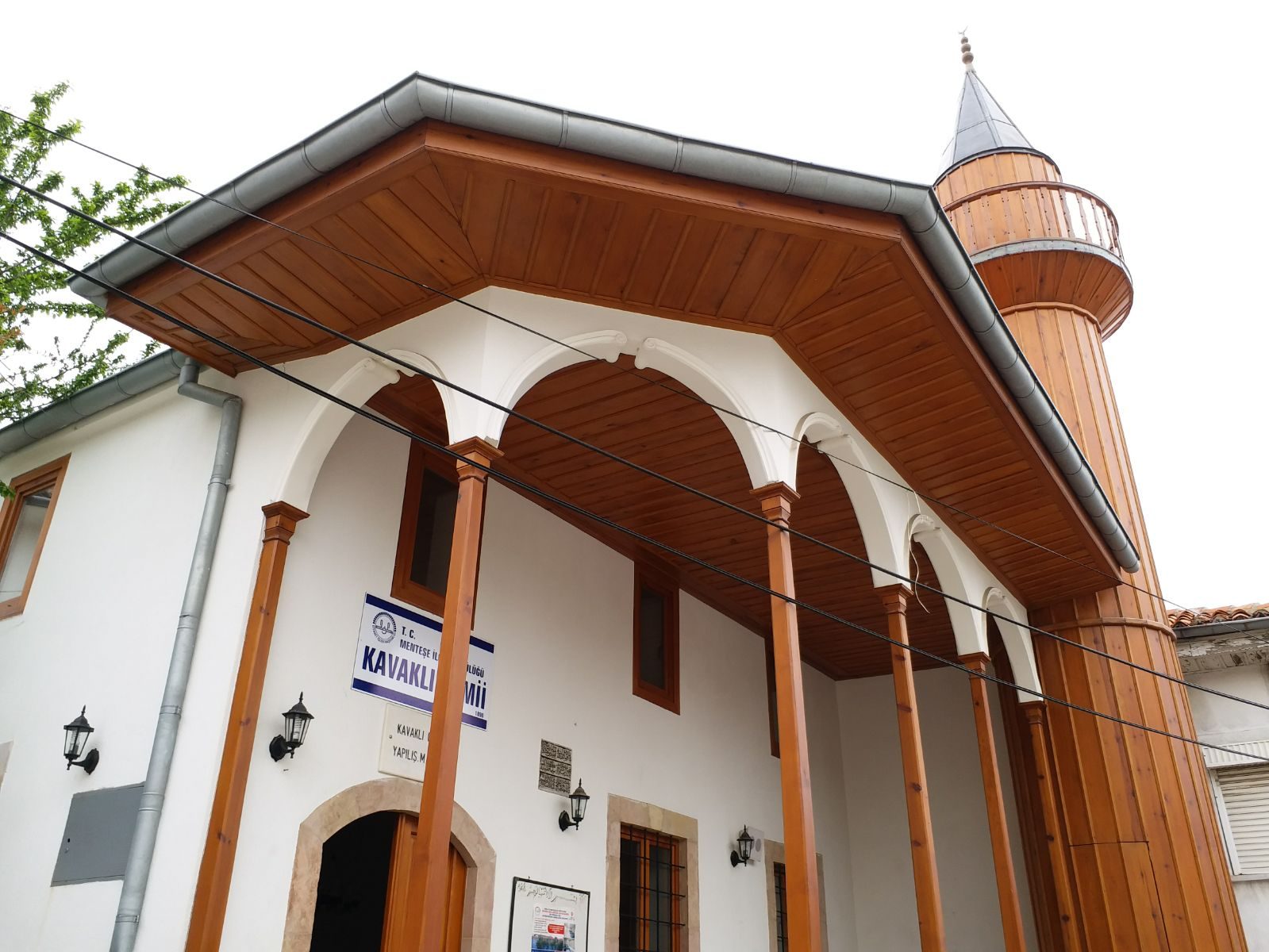
Kavaklı Mosque
Menteşe
Kıdrak Cove
Fethiye
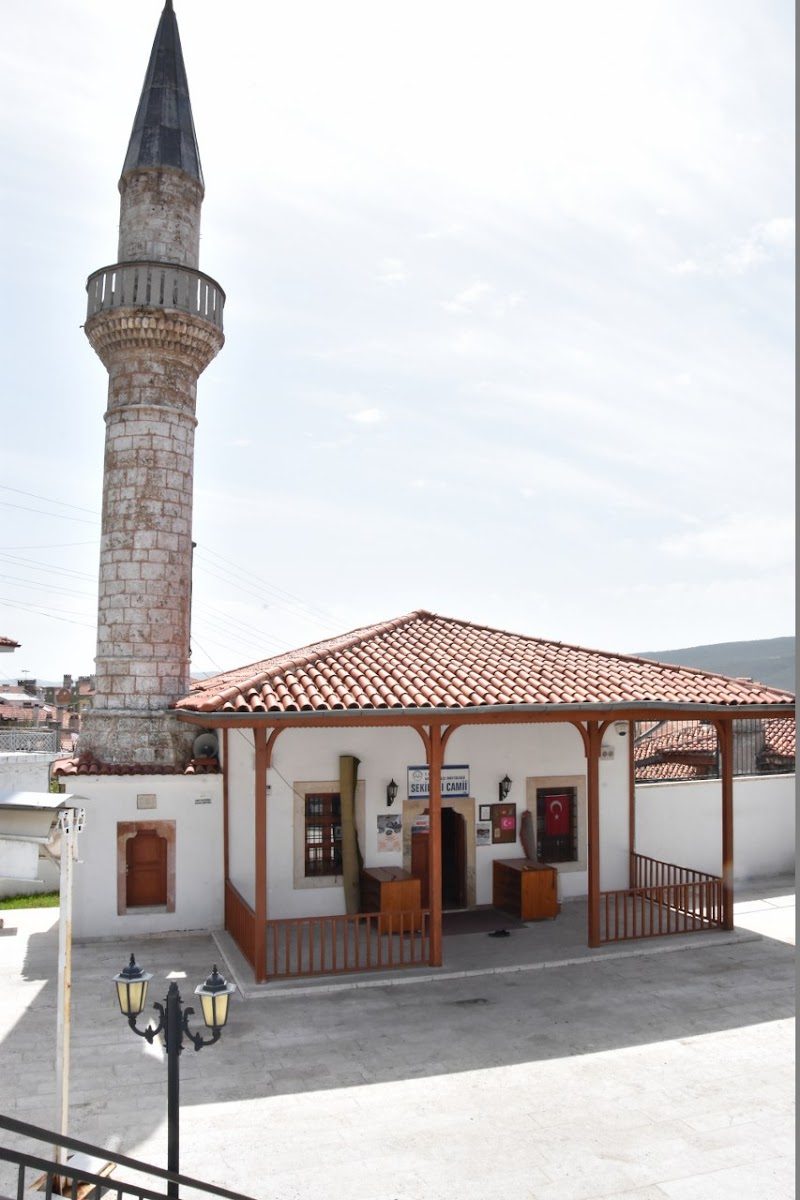
Sekibaşı Mosque
Merkez
İdyma Yarım Han
Menteşe

Beçin Castle
Milas

Milas Grand Mosque
Milas

Milas Museum
Milas

Muğla Museum
Menteşe

Ancient City of Iassos
Milas

Heracleia Ancient City (Latmos)
Milas

Euromos Ancient City
Milas

Labraunda Ancient City
Milas

Ancient City of Stratonikeia
Yatağan

Bafa Lake Nature Park (Milas Section)
Milas

Saklıkent Canyon
Seydikemer
Muğla Travel Guide
Muğla serves as the gateway to Turkey's southwestern coast, a provincial capital that anchors one of the country's most archaeologically rich regions. While most travelers rush through en route to beach resorts, the city rewards those who pause to explore its Ottoman-era neighborhoods and proximity to ancient Carian sites. The surrounding province contains 29 registered heritage places, making this an essential base for understanding the layered civilizations that shaped the Aegean and Mediterranean coastlines.
Founded on ancient Mobolla, Muğla evolved under successive Byzantine, Seljuk, and Ottoman rulers who left their architectural marks across the old town. The Mentese Beylik established an early Turkish presence here in the 13th century, followed by Ottoman consolidation that created the distinctive residential quarter still visible today. Stone houses with wooden upper floors line narrow cobblestone streets, their traditional construction methods adapted to the region's seismic activity and Mediterranean climate.
The historic center clusters around Kurşunlu Mosque and the old government district, where 19th-century administrative buildings stand alongside traditional Turkish houses. Saburhane Street preserves some of the finest examples of Muğla's domestic architecture, with restored mansions showcasing the woodwork and stonework techniques that defined regional building styles. The weekly Thursday market fills these same streets with local produce and handicrafts, maintaining commercial traditions that stretch back centuries.
Muğla Museum occupies a restored Ottoman mansion, displaying artifacts from nearby archaeological sites including Stratonicea, Lagina, and Euromos. The collection spans Carian, Hellenistic, Roman, and Byzantine periods, with particular strength in inscriptions and architectural fragments that illuminate ancient religious practices. Several traditional houses function as ethnographic displays, preserving examples of regional costumes, carpets, and household objects that document rural Anatolian life through the early 20th century.
Ancient sites within easy reach include Stratonicea, where a well-preserved theater and gymnasium complex demonstrates Roman urban planning principles. The sanctuary at Lagina reveals the religious significance of Hecate worship in ancient Caria, while Euromos displays one of Anatolia's best-preserved temples. These archaeological zones require separate visits but collectively illustrate the sophisticated civilization that flourished here before Turkish settlement.
Spring and autumn provide ideal conditions for exploring both the city and surrounding archaeological sites, with comfortable temperatures and clear mountain air. Summer heat can be intense, though evening breezes make late-day walking pleasant. Public buses connect Muğla to major coastal destinations, while dolmuş services reach nearby villages and ancient sites. The city's compact size makes walking feasible for most attractions, though some heritage houses require advance arrangements for interior visits.
A single day allows coverage of the main historical quarter and museum, starting with morning exploration of Saburhane Street and the traditional houses. The museum merits at least two hours for its archaeological collections and ethnographic displays. Afternoon visits to Kurşunlu Mosque and the surrounding Ottoman commercial district reveal the city's religious and economic development. Market days add local color but can complicate navigation through the narrow streets.
Local restaurants serve regional specialties including tandır lamb and seasonal wild greens, often prepared using recipes passed down through generations of Muğla families. The city's position between mountain and coast creates a distinctive cuisine that combines inland Anatolian traditions with Mediterranean influences. Small family-run establishments near the old mosque quarter typically offer the most authentic preparations, though advance inquiry about opening hours helps avoid disappointment during religious holidays or seasonal closures.