
Things to Do in Trabzon (53)
Trabzon ranks among Turkey's richest destinations for cultural heritage. On Kitabe you will find 53 places to visit in Trabzon — museums, historic buildings, natural sites and archaeological landmarks in one guide.
53 placesTrabzon Travel Guide ↓
Districts
Categories

Trabzon Museum (Kostaki Mansion)
Ortahisar

Monument of Suleiman the Magnificent
Ortahisar

Çarşı Mosque
Ortahisar

Historic Mansions of Orta Mahalle and Ortamahalle Urban Conservation Area
Akçaabat

Iskender Pasha Mosque
Ortahisar

Trabzon Provincial Government Mansion (Historic Government House)
Ortahisar

Sekersu Plateau
Çaykara

Kudrettin Mosque (St. Andrew Church)
Ortahisar

Zagnos Tower and City Walls
Ortahisar

Alaca Plateau
Şalpazarı

Akçakale Castle
Akçaabat

Sis Mountain Plateau (Trabzon side)
Şalpazarı

Trabzonspor Museum
Ortahisar

Uzungöl Nature Park
Çaykara

Sürmene Çamburnu Nature Reserve
Sürmene

July 15 Martyrs and Freedom Park Monument
Ortahisar

Cal Cave
Düzköy

Boztepe View Terrace and Natural Hillsides
Ortahisar

Ortahisar Historic Houses and Neighborhood Texture
Ortahisar

City and Migration Museum (Trabzon City Museum)
Ortahisar

Kadıralak Plateau
Tonya

Trabzon Martyrs Monument
Ortahisar

Gülbahar Hatun Mosque and Tomb
Ortahisar

Panaghia Chrysokephalos Cathedral Area (around Fatih Mosque)
Ortahisar

Soğuksu Atatürk Monument and Memorial Forest
Ortahisar

Sera Lake Nature Park
Akçaabat

Santa Ruins (Trabzon Border Extensions)
Maçka

Zigana Mountain Slopes and Plateaus of Trabzon
Maçka

Girls' Monastery (Panaghia Theoskepastos Monastery)
Ortahisar

Zagnos Valley and Historic Zagnos Bridge
Ortahisar

Silk Road (Historic Trabzon–Erzurum Caravan Route, Trabzon section)
Maçka

Yeni Cuma Mosque (Saint Anna Church)
Ortahisar

Atatürk Mansion
Ortahisar

Nemlizade Mansion
Ortahisar

Harmantepe Martyrs' Memorial
Köprübaşı

Kaymakli Monastery
Ortahisar

Haldizen Valley
Çaykara

Vazelon Monastery
Maçka

Kustul Monastery
Maçka
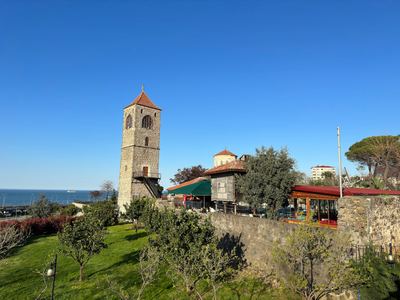
Trabzon Hagia Sophia Mosque (Ayasofya-i Kebir Camii Şerifi)
Ortahisar

Hıdırnebi Plateau
Akçaabat
Hachka Obası Plateau
Düzköy

Kadırga Plateau (Trabzon border section)
Şalpazarı

Pazarkapı Mosque
Ortahisar

Altındere Valley National Park and Sumela Monastery
Maçka

Sarlı Castle
Sürmene

Haldizen Lakes (Seven Lakes)
Çaykara

Garester Plateau
Çaykara

Fındıklı Plateau
Sürmene

Historical Churches of Ortamahalle (Akçaabat)
Akçaabat

Altındere Valley
Maçka

Zagnos Bridge (Historic Stone Bridge)
Ortahisar

Fatih Mosque (Former Trabzon Cathedral, Panaghia Chrysokephalos)
Ortahisar
Trabzon Travel Guide
Trabzon commands Turkey's Black Sea coast from its perch on ancient trade routes that once connected Constantinople to Persia. This former Byzantine stronghold turned Ottoman port city rewards travelers with medieval monasteries carved into cliffsides, authentic regional cuisine, and mountain plateaus that feel worlds away from Turkey's Mediterranean crowds. The city's 53 registered heritage sites tell stories spanning Roman fortifications to Seljuk mosques, while its position as gateway to the Pontic Mountains makes it essential for understanding Turkey's diverse cultural landscape.
Byzantine emperors ruled from Trabzon's citadel for over two centuries after Constantinople fell to the Crusaders in 1204. The Empire of Trebizond, as historians call it, left behind architectural treasures that survived Ottoman conquest and Soviet-era neglect across the border. Churches became mosques, trade routes shifted, but the city's strategic importance never wavered. Russian merchants, Greek Pontians, and Turkish settlers each added layers to Trabzon's cultural foundation, creating the complex identity visitors encounter today.
Ortahisar district contains the medieval core, where narrow streets wind between the restored citadel walls and the Grand Mosque. Çarşı neighborhood pulses with daily commerce around the covered bazaar, while Uzun Sokak pedestrian street connects historical monuments with modern shops. Head uphill to Boztepe for panoramic views across the Black Sea, or explore Atatürk Köşkü district where the founder's villa sits amid manicured gardens. Each quarter reveals different chapters of Trabzon's evolution from Byzantine capital to modern regional center.
Trabzon Museum occupies a restored early 20th-century mansion, displaying artifacts from the region's Greek, Armenian, and Turkish communities. The Hagia Sophia of Trabzon, a 13th-century Byzantine church turned mosque, showcases exceptional frescoes despite centuries of alterations. Trabzon Castle's remaining towers and walls offer glimpses into medieval fortification techniques. Several historic mosques, including Gülbahar Hatun and İskender Paşa, demonstrate Ottoman architectural adaptation to local building traditions and steep terrain.
Sumela Monastery, carved into Altındere Valley cliffs 45 kilometers inland, represents Trabzon's most spectacular heritage site. This Byzantine marvel clings to vertical rock faces 1,200 meters above sea level, accessible via mountain roads that wind through dense forests. The monastery's painted churches and monks' quarters survived centuries of abandonment before recent restoration efforts. Plan a full day for the journey, including the final kilometer hike up stone pathways that test even experienced walkers.
May through September brings the most reliable weather for exploring outdoor sites like Sumela, though summer crowds can overwhelm popular locations. Spring offers wildflower displays across mountain meadows, while autumn delivers comfortable temperatures for city walking. Winter brings frequent rain and occasional snow, but also provides authentic glimpses of local life without tourist distractions. Trabzon's airport connects to Istanbul and Ankara, while buses serve destinations across Turkey's Black Sea region.
Start early at Trabzon Castle to beat crowds and capture morning light on ancient stones. Walk downhill through Ortahisar's winding streets to the Grand Mosque, then continue to the bazaar for Turkish breakfast and strong Black Sea tea. Afternoon visits to Trabzon Museum and Hagia Sophia provide historical context before the uphill trek to Boztepe viewpoint. End with dinner in Çarşı district, where local restaurants serve hamsi (anchovy) dishes and other regional specialties that define authentic Trabzon cuisine.
Transportation within Trabzon relies on minibuses, taxis, and walking, as the city center remains compact enough for pedestrian exploration. Dolmuş minibuses connect outer districts and nearby villages, while rental cars provide access to mountain sites like Sumela. Book accommodations near Ortahisar or Çarşı for easy access to major attractions. Learn basic Turkish phrases for interactions outside tourist areas, as English speakers remain limited compared to western Turkey. Respect prayer times when visiting active mosques, and dress modestly for all religious sites.